Leader of Opposition Rahul Gandhi has launched a scathing attack on the government's E20 petrol policy, claiming it is damaging vehicle engines and hurting common citizens.
Key Takeaways
- Rahul Gandhi claims E20 petrol is causing engine damage and reducing mileage.
- He described the policy as 'not just fishy, but entirely rotten.'
- Union Minister Hardeep Singh Puri dismissed the claims as politically motivated.
The political landscape in India has intensified following a sharp critique of the E20 petrol policy by the Leader of the Opposition, Rahul Gandhi. Sharing a video on social media, Gandhi used a powerful metaphor, stating that in this matter, 'it's not just a fishy matter, the whole thing is rotten,' signaling a deep distrust in the government's biofuel strategy.
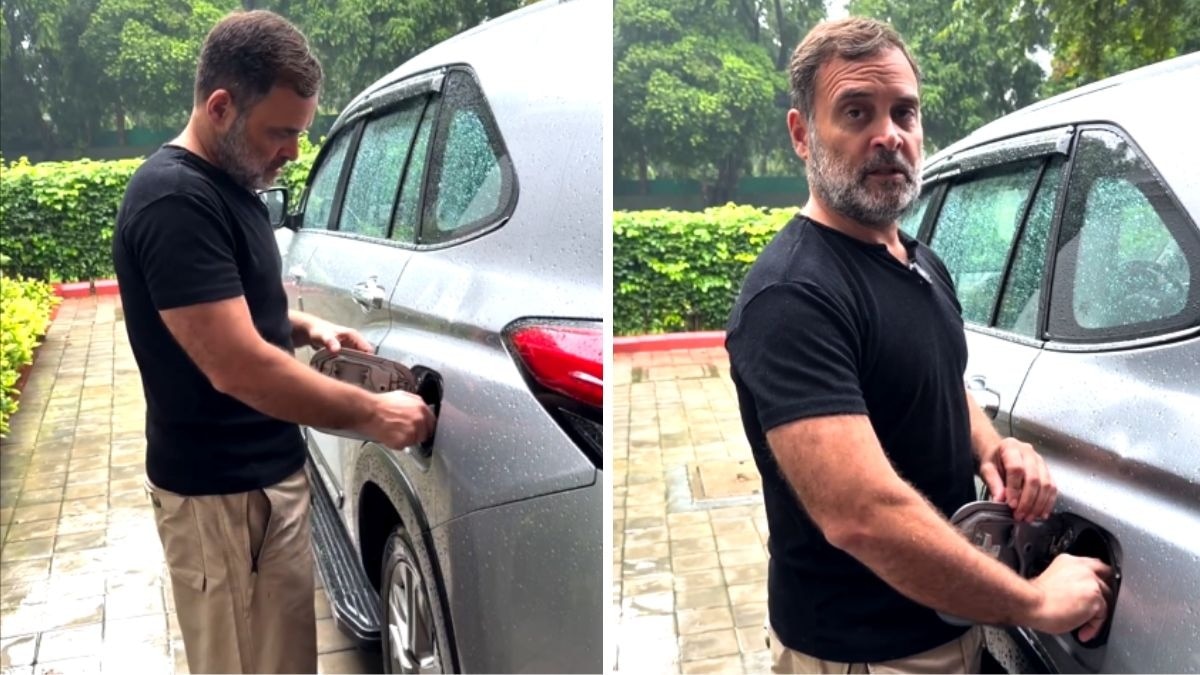
In the video, Gandhi is seen inspecting a car's fuel tank to demonstrate the potential risks to vehicle owners. He argued that the mandatory 20% ethanol blending is not merely a policy shift but a direct threat to the millions of citizens who rely on vehicles. According to Gandhi, the corrosive nature of high ethanol blends is leading to rapid engine deterioration and a significant drop in fuel mileage, effectively 'robbing' the common man of his hard-earned money.
Why This Matters
BozokMedia analysis shows that this controversy sits at the intersection of environmental policy and consumer rights. While the government aims for energy security, the technical compatibility of existing vehicle fleets with E20 fuel remains a critical concern for the massive Indian automotive market.
"The debate over E20 fuel has transitioned from an environmental discussion to a direct battle over consumer protection and economic impact."
Responding to the allegations, Union Minister for Petroleum and Natural Gas, Hardeep Singh Puri, defended the program. He asserted that India's biofuel blending program is performing exceptionally well and accused the opposition of creating unnecessary controversy for political gain. Puri noted that extensive testing across thousands of petrol pumps showed minimal issues, suggesting that the opposition is misrepresenting isolated incidents.
Historical Background
The E20 mandate is part of India's broader strategy to reduce dependence on crude oil imports and meet climate goals by blending ethanol—derived from sugarcane and food grains—into petrol. While beneficial for farmers and the environment, the transition poses challenges for older engine architectures not designed for high ethanol concentrations.
Frequently Asked Questions
1. What exactly is E20 petrol?
E20 is a blend of 80% gasoline and 20% ethanol.
2. Why is there a controversy?
Critics argue that the higher ethanol content can damage older vehicle engines and reduce mileage.