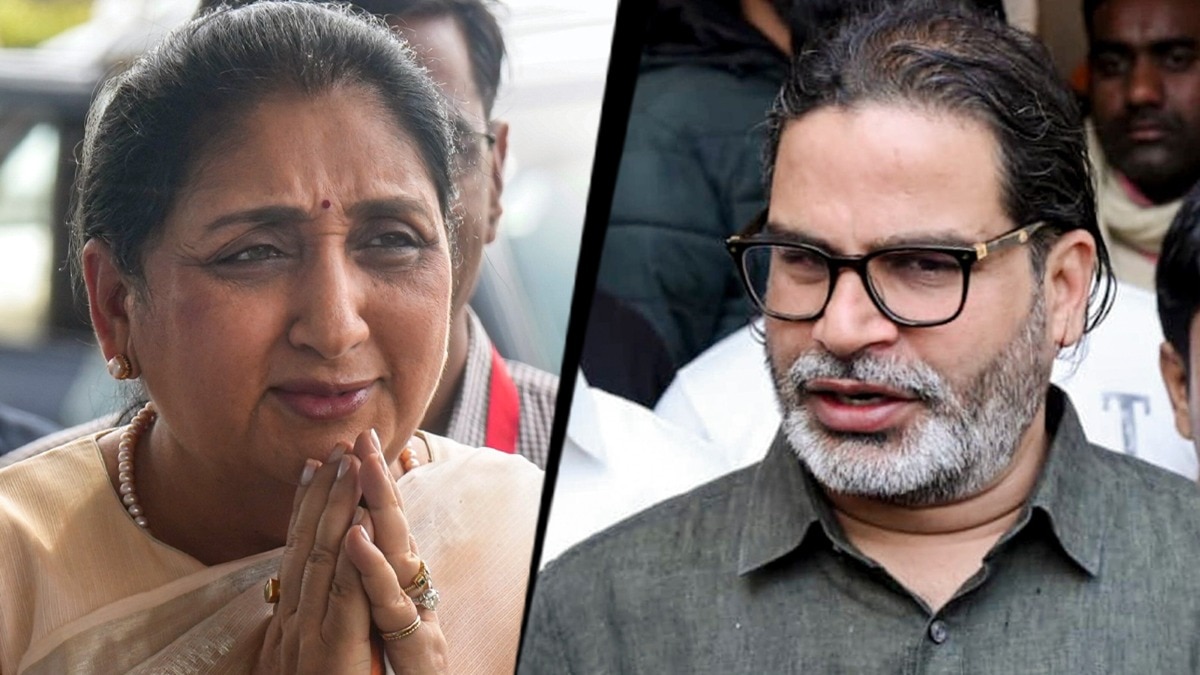
The Supreme Court rejected MP Mahua Moitra's petition and Justice Deepankar Dutta dismissed her fear of eggs. The earlier Calcutta High Court order remains in force, requiring the MP to appear in person. This underscores the judiciary's firm stance on political dissent.
Key Takeaways
- The Supreme Court dismissed Mahua Moitra's petition.
- Justice Deepankar Dutta rejected the fear of eggs argument.
- The High Court order stays, mandating personal appearance.
Case Background
During proceedings, Justice Deepankar Dutta and Justice Sheel Nagu heard the petition of Trinamool Congress (Mamata faction) MP Mahua Moitra. Moitra sought a virtual hearing for a hate‑speech case after alleging that she faced egg‑throwing protests during a prior police visit. The Calcutta High Court had ordered her to appear in person on August 14.
Supreme Court Remarks
Justice Dutta remarked, "If you have decided to enter politics, why should you fear eggs? Our freedom fighters swallowed bullets for the nation. Such petitions should never reach the Supreme Court." The comment accompanied the dismissal of Moitra's petition.
High Court Order Remains
Following the Supreme Court’s rejection, the Calcutta High Court’s August 14 order stays effective. The MP must appear before the investigating officer, and police have been instructed to prevent any harassment during the appearance.
Why This Matters
BozokMedia analysis shows that the court's stern stance sends a clear message to opposition leaders about the limits of political dissent and reinforces the judiciary's role in upholding law and order amidst rising political tensions.
"This ruling will set a precedent for stricter judicial scrutiny in similar future cases," said legal analyst Prof. Ajay Singh.
Frequently Asked Questions
- Will Mahua Moitra still have to comply with the High Court order? Yes, the High Court’s directive remains valid after the Supreme Court dismissed her petition.
- Could this decision have broader political implications? Experts believe it serves as a warning to opposition parties and may reduce similar petitions in the future.