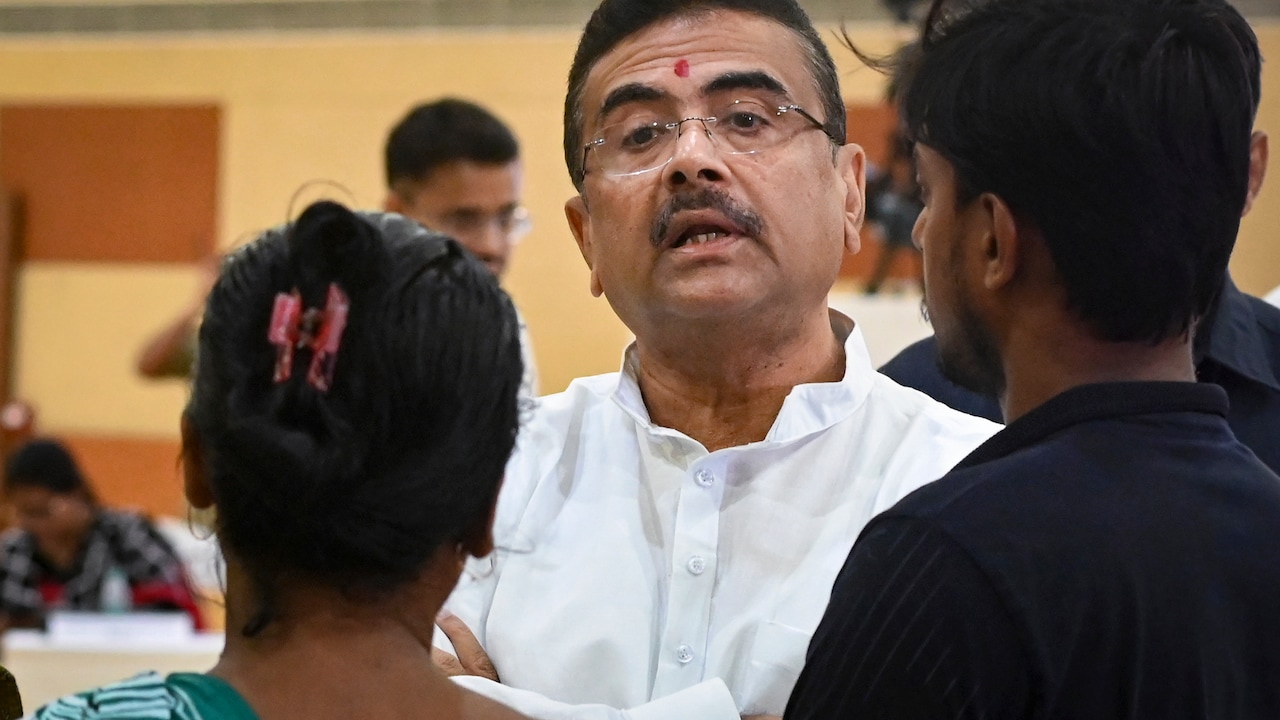
BJP leader K.K. Surendran has slammed the IUML, claiming their opposition to the full rendition of Vande Mataram mirrors Muhammad Ali Jinnah's historical position.
Key Takeaways
- BJP claims IUML is attempting to distance Muslims from the national mainstream.
- K.K. Surendran compared the opposition to Vande Mataram to Jinnah's ideology.
- Allegations of communal politics were leveled against the CPI(M) and IUML alliance.
In a sharp political escalation in Kerala, Bharatiya Janata Party (BJP) Palakkad zonal general secretary K.K. Surendran has accused the Indian Union Muslim League (IUML) of repeating the historical stance of Muhammad Ali Jinnah. The core of the dispute lies in the IUML's opposition to the full rendition of the national song, Vande Mataram.
Mr. Surendran alleged that this stance is a calculated attempt to alienate the Muslim community from the national mainstream. He pointed out a historical contradiction, noting that between 1896 and 1937, Muslims sang the full song without any perceived conflict with their faith. He further accused the CPI(M) and IUML of leveraging this issue to fuel communal politics.
Why This Matters
BozokMedia analysis shows that such ideological clashes serve to intensify the polarization between religious identity and national identity in Indian politics. By framing the debate around Vande Mataram, the BJP is positioning itself as the sole defender of national symbols.
'The weaponization of cultural symbols often defines the boundaries of political discourse in modern India.'
The BJP leader also highlighted what he termed as "double standards" within the League. He questioned why IUML ministers use the term 'God' instead of 'Allah' while taking official oaths, yet find religious grounds to oppose a national song. He concluded by warning the Congress party against repeating past political missteps regarding such sensitive issues.
Historical Background
Vande Mataram has been a cornerstone of Indian nationalism since the late 19th century. Historically, prominent Muslim leaders like Maulana Abul Kalam Azad participated in sessions where the song was a central element of the nationalist movement, proving that religious identity and nationalistic fervor were not mutually exclusive in the past.
Frequently Asked Questions
1. What is the BJP's specific allegation against IUML?
The BJP alleges that IUML's opposition to Vande Mataram is an attempt to distance Muslims from mainstream Indian nationalism.
2. How did the BJP respond to the religious aspect of the argument?
The BJP pointed out the hypocrisy of IUML leaders using the word 'God' in oaths while opposing the song on religious grounds.