Rahul Gandhi’s ‘Students’ Resonance’ initiative did not win over the Gen Z crowd, while Shashi Tharoor’s controversial comment was turned into a propaganda boost for the BJP. The political clash highlights internal and external pressures on the Congress party.
Key Takeaways
- Rahul Gandhi’s attempt to connect with youth fell short.
- Shashi Tharoor’s remarks gave BJP a media advantage.
- Ram Kadam delivered a sharp jab at opposition leaders.
Background
Congress leader Rahul Gandhi recently launched the ‘Students’ Resonance’ program across universities, aiming to open a direct dialogue with the younger generation. While some student groups welcomed the effort, genuine Gen Z support remained elusive.
Shashi Tharoor’s Comment and BJP’s Response
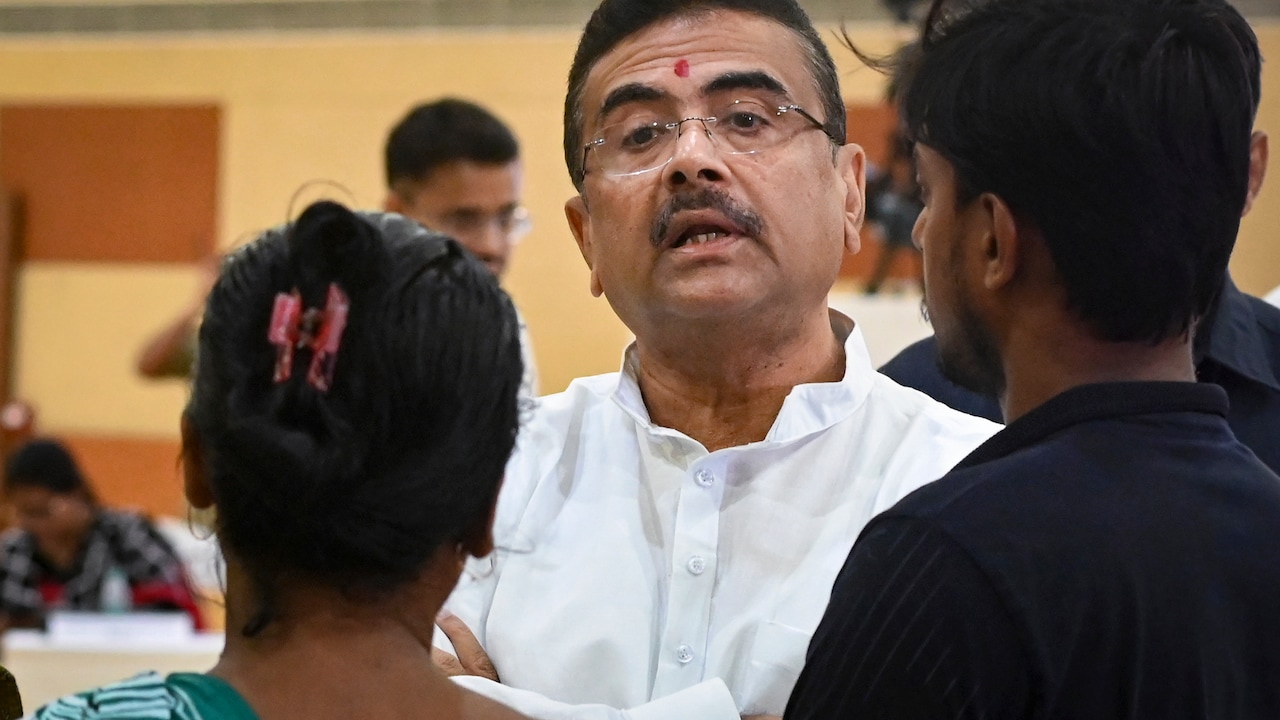
Shashi Tharoor publicly criticized Gandhi’s initiative, suggesting that the media was sensationalizing internal party issues. The BJP seized this narrative, portraying the comment as evidence of Congress’s disconnect with the youth.
Why This Matters
BozokMedia analysis shows that the youth vote is increasingly becoming the decisive factor in Indian elections, and any misstep by major parties can swing the Gen Z electorate dramatically.
"Political analyst Dr. Ananya Sharma says, 'The youth vote is becoming the decisive factor in Indian elections.'"
Ram Kadam’s Sarcastic Remark
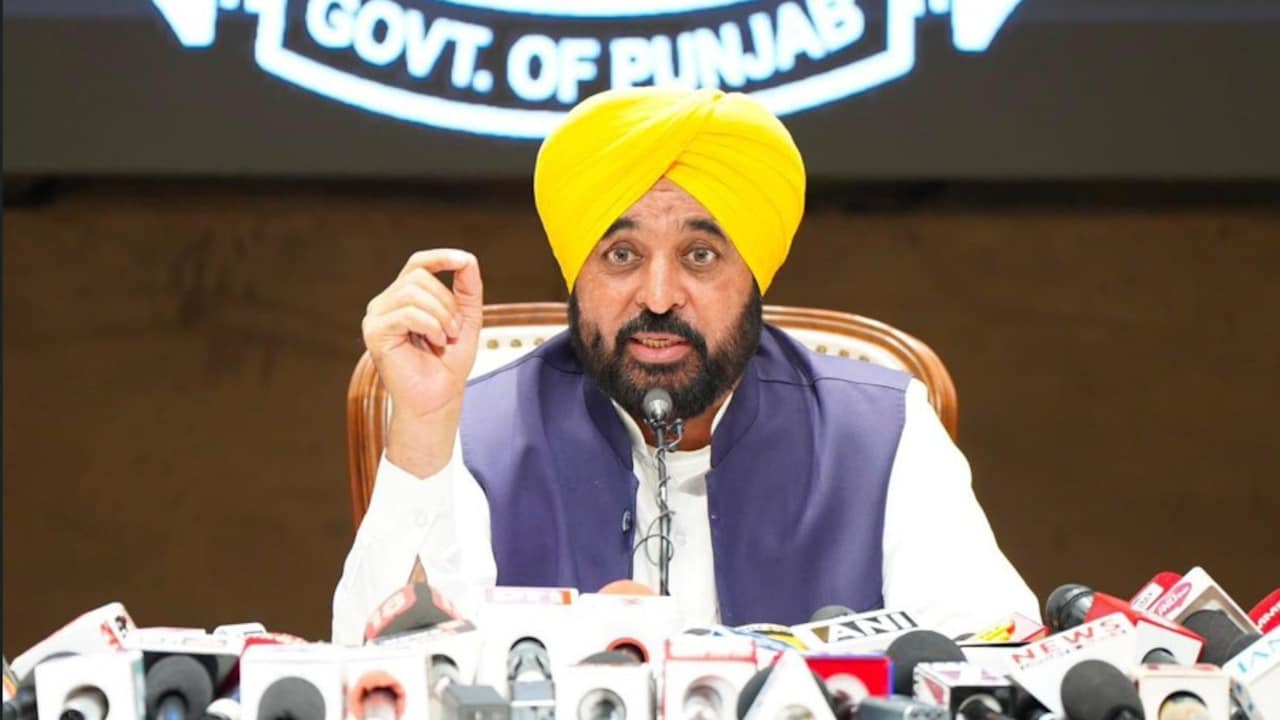
BJP senior leader Ram Kadam mocked Tharoor’s statement, noting that Congress’s self‑inflicted criticisms often end up benefiting the BJP. He added, "When Congress highlights its own flaws, it hands the BJP a winning opportunity."
Frequently Asked Questions
What was the core of Shashi Tharoor’s remarks? He framed Gandhi’s ‘Students’ Resonance’ as a media‑driven controversy, questioning the Congress leadership’s relevance among youth.
How did the BJP respond to the controversy? The party leveraged Tharoor’s comments to highlight Congress’s lack of genuine youth support and to rally its own base.