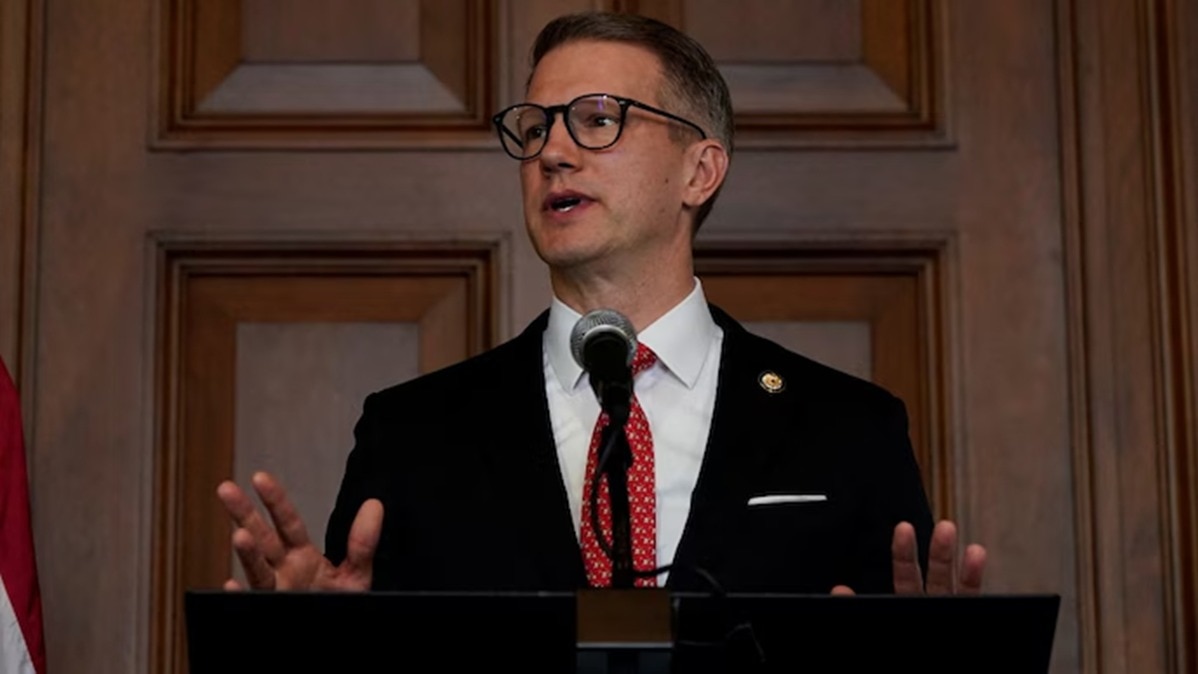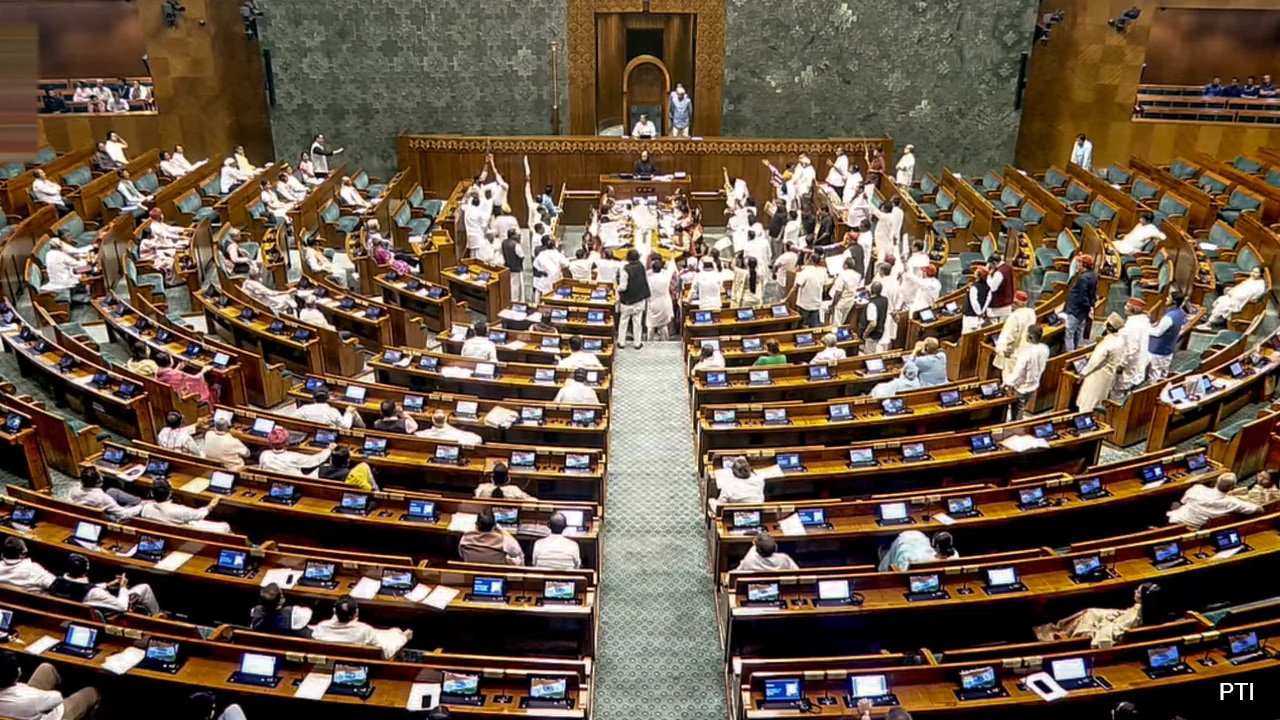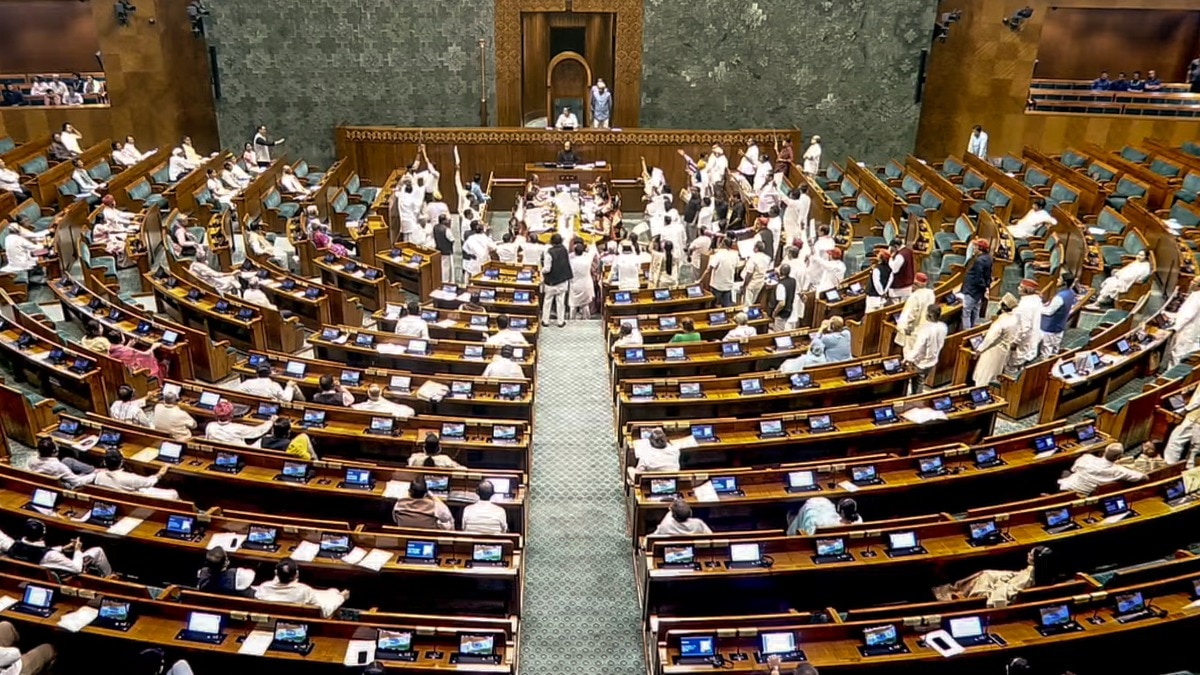
With only four days left in the Monsoon session, the government faces uncertainty over the women’s reservation, delimitation and FCRA amendment bills, while opposition protests and student unrest threaten to derail the parliament.
Key Takeaways
- Women’s reservation, delimitation and FCRA bills are not yet on the agenda
- Opposition parties and student protests are putting the session at risk
- Two‑thirds majority needed for constitutional amendment remains elusive
Current State of the Monsoon Session
Only four days remain in India’s Monsoon parliamentary session. The government is grappling with the passage of three cornerstone bills – women’s reservation, delimitation and the Foreign Contribution (Regulation) Act (FCRA) amendment – all of which remain in limbo. None of these bills were listed for debate in the Lok Sabha on Monday, casting doubt on their fate.
Opposition Stance
The Shiromani Akali Dal backs both bills, but the Congress, DMK and several other opposition parties oppose the delimitation proposal. Congress leader K.C. Venugopal has warned of mass protests if the government pushes the FCRA amendment through in the remaining days.
Shortfall in Constitutional Majority
A two‑thirds majority is required for any constitutional amendment. Currently, the government commands only 299 votes, far short of the 360 needed. In April, the women’s reservation and delimitation bills were defeated 298 to 230.
Why This Matters
BozokMedia analysis shows that the failure to pass these key bills could reshape social representation, electoral dynamics, and regional power balances across India.
"If the government cannot secure these reforms before the session ends, confidence in parliamentary processes may erode," says political scientist Dr. Anita Sharma.
Frequently Asked Questions
- Can the FCRA amendment still be introduced? Given the current political climate and opposition resistance, its chances have significantly diminished.
- What is the primary goal of the delimitation bill? It aims to redraw constituency boundaries based on the 2027 Census to ensure equitable representation.