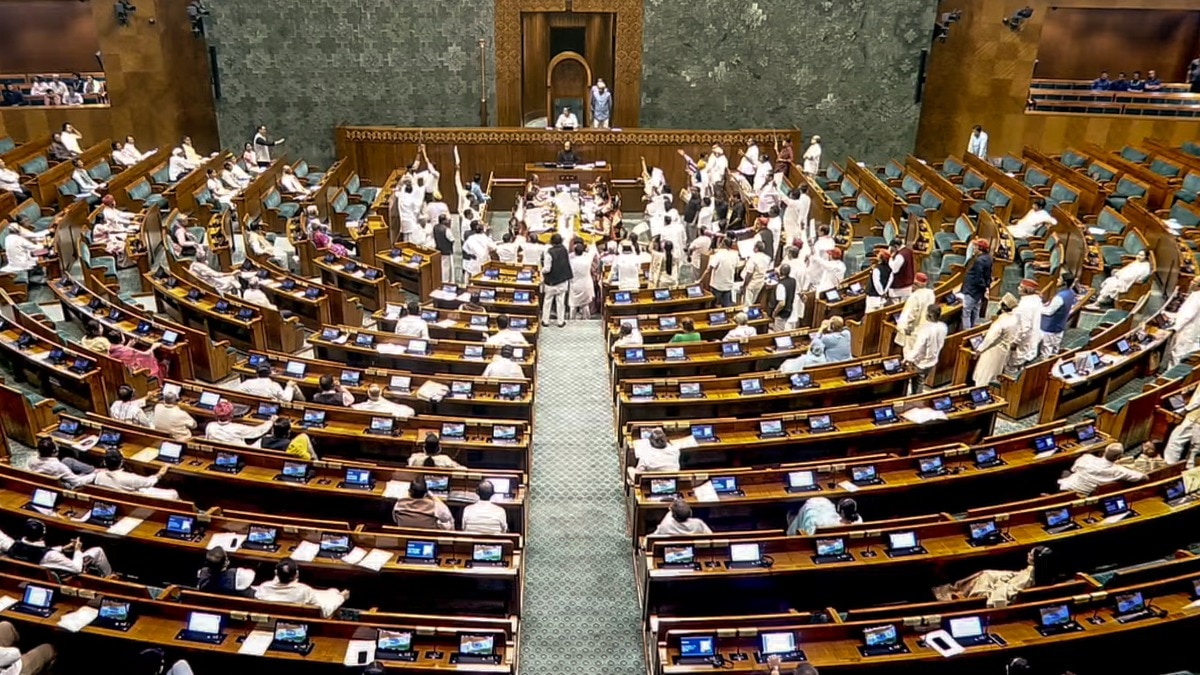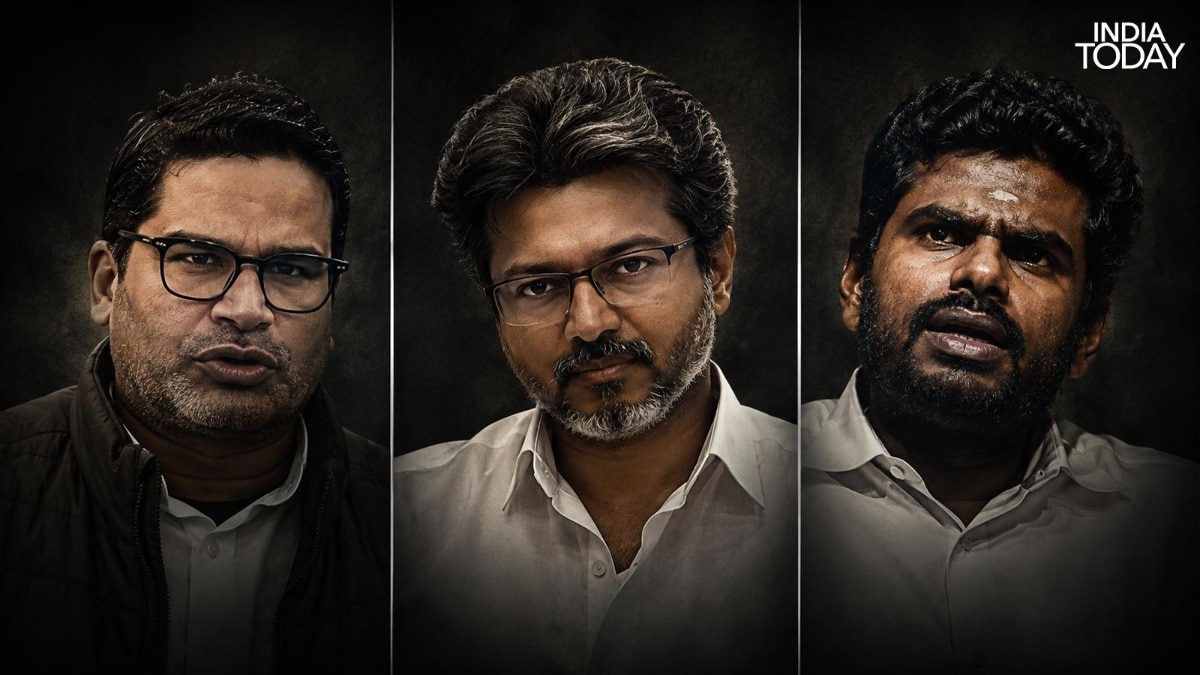
Indian politics is undergoing a seismic shift with the emergence of non-traditional leaders like Prashant Kishor, Thalapathy Vijay, and K. Annamalai. This 'start-up moment' challenges established dynasties and conventional party structures, signaling a new era of data-driven, charismatic, and grassroots-oriented governance.
Key Takeaways
- Non-traditional leaders are actively disrupting regional and national political strongholds in India.
- Prashant Kishor, Thalapathy Vijay, and K. Annamalai represent a new wave of 'political entrepreneurship.'
- Data-driven campaigns, cinematic charisma, and corporate-style hustle are replacing traditional party machinery.
The Indian political landscape, long dominated by legacy parties and dynastic structures, is experiencing a profound transformation. A new wave of political "start-ups" led by Prashant Kishor (PK), Tamil cinema superstar Thalapathy Vijay, and BJP's Tamil Nadu President K. Annamalai is challenging the status quo. These leaders are introducing corporate-style efficiency, data-driven strategies, and direct grassroots connection to bypass traditional political intermediaries.
The Disruptors and Their Strategies
Prashant Kishor has transitioned from a kingmaker behind the scenes to a political leader on the ground with his 'Jan Suraaj' campaign in Bihar, focusing on decentralized governance and rigorous data metrics. Meanwhile, Thalapathy Vijay has launched 'Tamilaga Vettri Kazhagam' (TVK), leveraging his massive cinematic fanbase to create a youth-centric political movement in Tamil Nadu. On the other hand, K. Annamalai, a former IPS officer, has brought a high-octane, aggressive, and metrics-driven approach to the BJP in Tamil Nadu, successfully positioning himself as a formidable challenger to the state's traditional Dravidian duopoly.
Historical Background
Political disruption is not entirely new to India. In 1982, actor N.T. Rama Rao (NTR) launched the Telugu Desam Party (TDP) and swept to power in Andhra Pradesh within nine months. More recently, in 2012, the anti-corruption movement birthed the Aam Aadmi Party (AAP), which dismantled established political giants in Delhi. However, today's 'start-up moment' is uniquely defined by hyper-targeted digital communication, social media algorithms, and a highly professionalized approach to political branding.
Why This Matters
BozokMedia analysis shows that traditional political parties are struggling to engage with an increasingly young, aspirational, and digitally active electorate. Today's voters demand accountability, fresh faces, and transparent governance rather than legacy slogans. These new-age political start-ups are filling this void by offering a modern narrative and establishing direct, unmediated communication channels with the public.
"The entry of PK, Vijay, and Annamalai marks a pivotal shift in India from ideology-driven politics to personality-and-performance-driven political entrepreneurship."
| Leader | Party / Movement | Key Strategy | Primary Region |
|---|---|---|---|
| Prashant Kishor | Jan Suraaj | Grassroots Padayatra, Data & Education | Bihar |
| Thalapathy Vijay | TVK | Cinematic Charisma, Youth Mobilization | Tamil Nadu |
| K. Annamalai | BJP | Aggressive Nationalism, Anti-Corruption | Tamil Nadu |
Frequently Asked Questions
Q1: What does the term 'political start-up' mean in the Indian context?
A1: It refers to newly formed political entities or campaigns that utilize modern strategies, digital tools, and direct public engagement to challenge deep-rooted, traditional political parties without relying on legacy machinery.
Q2: Can these new leaders successfully dismantle established political dynasties?
A2: While challenging established parties is highly complex, these leaders have already disrupted traditional vote banks, forcing legacy parties to modernize their communication and governance strategies.