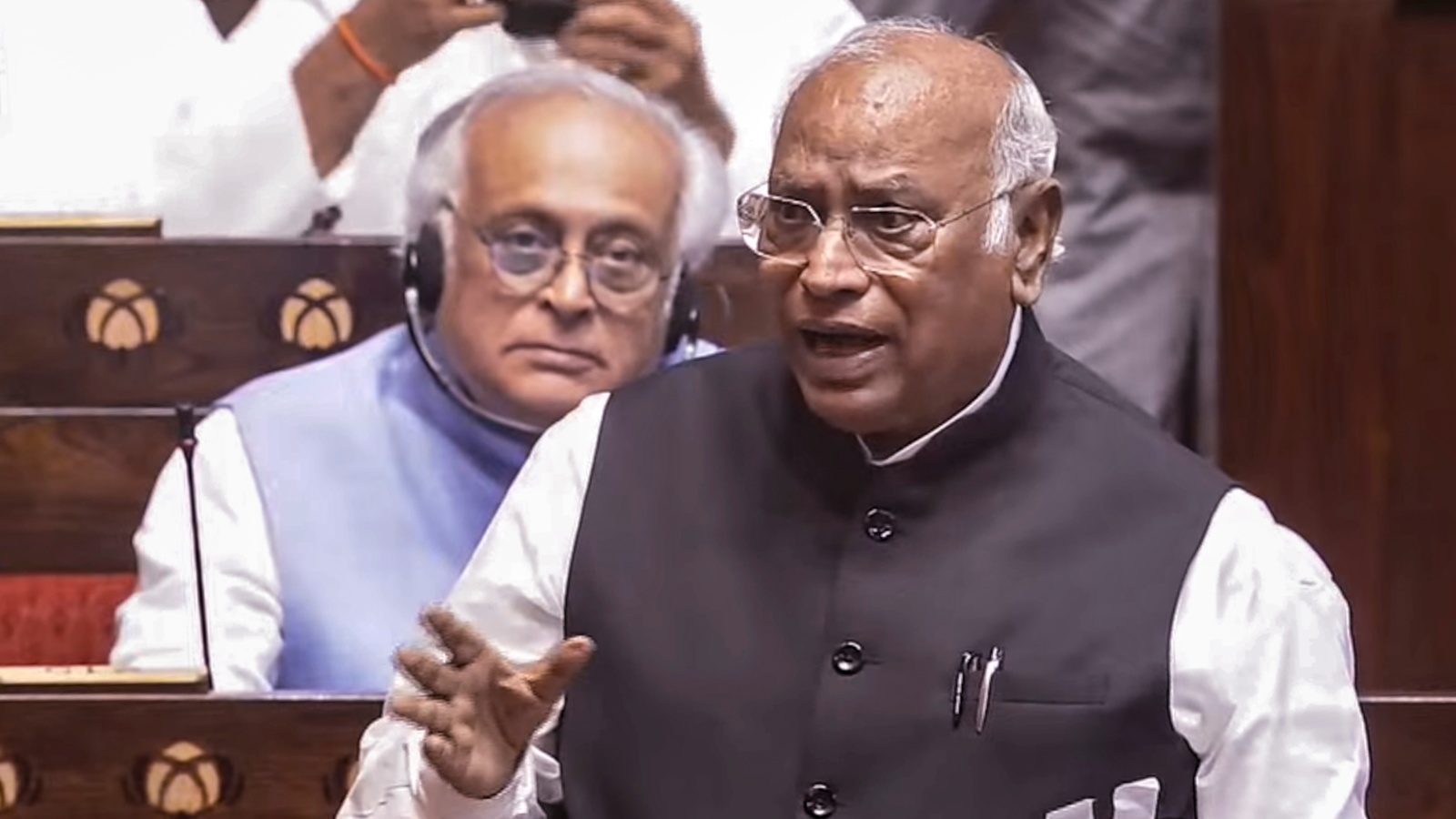
The Delhi Assembly has passed a bill to repeal the 2007 Bed & Breakfast law, paving the way for a new policy featuring self-certification and rapid 7-day approvals.
Key Takeaways
- The 2007 law governing Bed & Breakfast (B&B) facilities has been repealed.
- A new 'Delhi Bed & Breakfast Policy, 2026' is being introduced.
- The approval window will shrink from 30 days to just 7 working days via 'deemed approval'.
- Three other Bills regarding slum rehabilitation and fire services were also passed.
In a significant legislative move, the Delhi Assembly on Tuesday passed a Bill to repeal the existing law governing the functioning of bed-and-breakfast (B&B) facilities. This decision follows the tragic fire incident in Malviya Nagar two months ago, which claimed the lives of 23 people, including several foreign nationals.
Industries Minister Manjinder Singh Sirsa, who tabled the Bill, announced that the government is transitioning toward a modern regulatory framework. Tourism Minister Kapil Mishra confirmed that the 'Delhi Bed & Breakfast Policy, 2026' is currently being finalized, following its public draft release in May.
Why This Matters
BozokMedia analysis shows that this shift represents a massive push toward 'Ease of Doing Business' in the capital. By replacing a cumbersome 30-day registration process with a 7-day 'deemed approval' system, the government aims to formalize the hospitality sector and encourage micro-entrepreneurship.
The transition to self-certification is a double-edged sword: it accelerates growth but necessitates much more rigorous post-approval inspections.
The proposed framework emphasizes self-certification and self-renewal. Under this system, if the authorities do not respond within seven working days, the application is considered approved, drastically reducing bureaucratic delays compared to the 2007 legislation.
Legislative Overhaul: Beyond B&B
The Assembly's activity extended beyond tourism. Key legislative updates included:
- Delhi Urban Shelter Improvement Board (Amendment) Bill, 2026: Extends the slum rehabilitation cut-off date to January 1, 2026, potentially benefiting lakhs of residents.
- Right of Citizen to Time Bound Delivery of Services Bill, 2026: Aims to ensure accountability in public service delivery.
- Delhi Fire Service (Amendment) Bill, 2026: Streamlines building bye-law references for better safety compliance.
All four Bills have now been forwarded to Lieutenant-Governor Taranjit Singh Sandhu for final assent.
Frequently Asked Questions
1. What is 'deemed approval' in the new policy?
It means that if the government does not process an application within seven working days, it is automatically considered approved.
2. Will the new slum rehabilitation law affect more people?
Yes, by moving the cut-off date to 2026, the amendment includes a much larger population of residents in its rehabilitation plans.