RTI responses from two Delhi hospitals have confirmed that at least 10 individuals suffered pellet injuries during the July 20 Parliament march, triggering a political storm and demands for the Home Minister's resignation.
Key Takeaways
- RTI responses from two Delhi hospitals confirm at least 10 pellet injuries.
- Incidents occurred during the Parliament march held on July 20.
- TMC MP Saket Gokhale has called for the resignation of Home Minister Amit Shah.
A series of revelations under the Right to Information (RTI) Act has exposed the use of pellet guns during a protest march toward Parliament on July 20. Data obtained from two prominent hospitals in Delhi confirms that at least 10 protesters were treated for injuries caused by pellets, contradicting previous narratives regarding the nature of the police action.
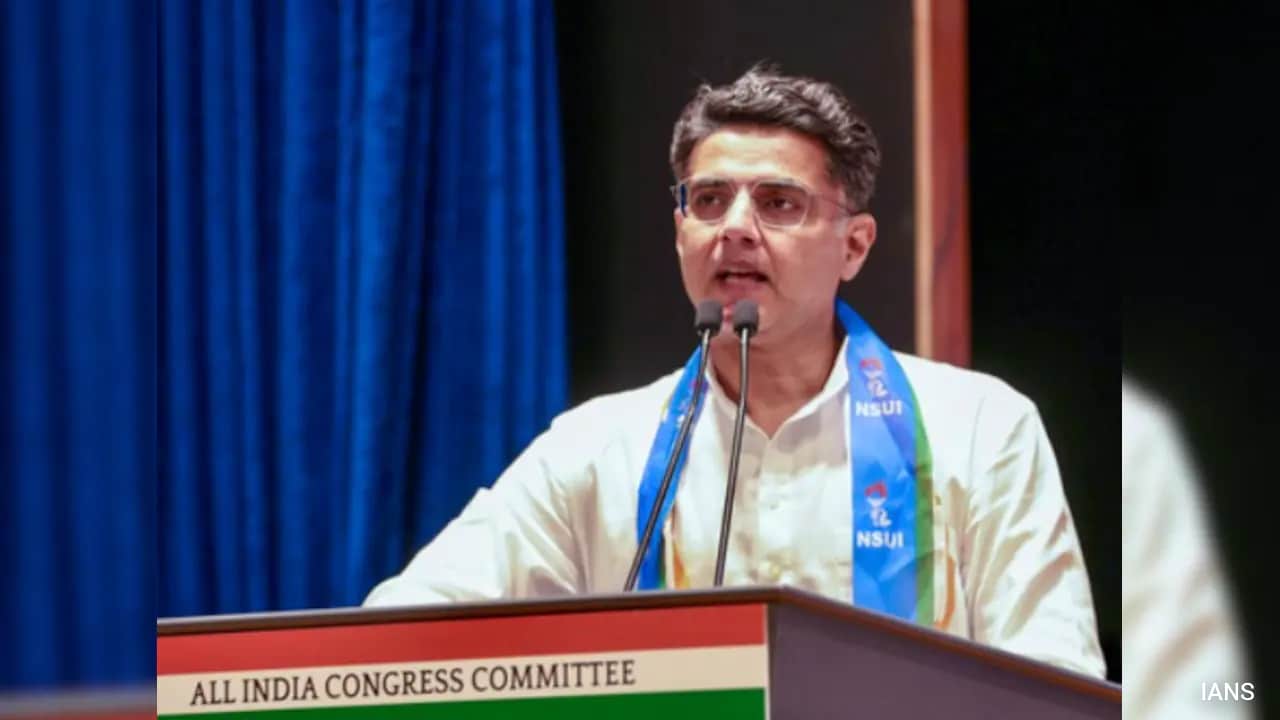
Following these disclosures, Trinamool Congress (TMC) MP Saket Gokhale has launched a scathing attack on the central government. Gokhale argues that the deployment of such weaponry against peaceful protesters in the national capital is an unacceptable escalation of force. He has demanded the immediate resignation of Home Minister Amit Shah, citing a failure in maintaining democratic norms and protecting citizens' rights.
Why This Matters
BozokMedia analysis shows that this incident highlights a worrying trend in crowd control tactics within metropolitan areas. The use of pellet guns—typically reserved for high-conflict zones—in the heart of Delhi suggests a shift toward more aggressive policing strategies that may bypass standard operating procedures for democratic protests.
"The use of kinetic impact projectiles in urban protests represents a dangerous erosion of the right to peaceful assembly."
Historical Background
Pellet guns have been a point of intense international scrutiny, particularly in regions like Kashmir, where they have caused widespread blindness and permanent disability. The emergence of such weapons in a Delhi-based protest brings these human rights concerns to the forefront of national political discourse, questioning the proportionality of the state's response to dissent.
Frequently Asked Questions
Q1: What evidence supports the claim of pellet injuries?
A: The evidence consists of official medical records obtained via RTI from two Delhi hospitals treating victims of the July 20 march.
Q2: Why is the Home Minister being targeted in this demand?
A: As the Home Minister oversees internal security and central police forces, Saket Gokhale holds him directly responsible for the tactical decisions made during the protest.