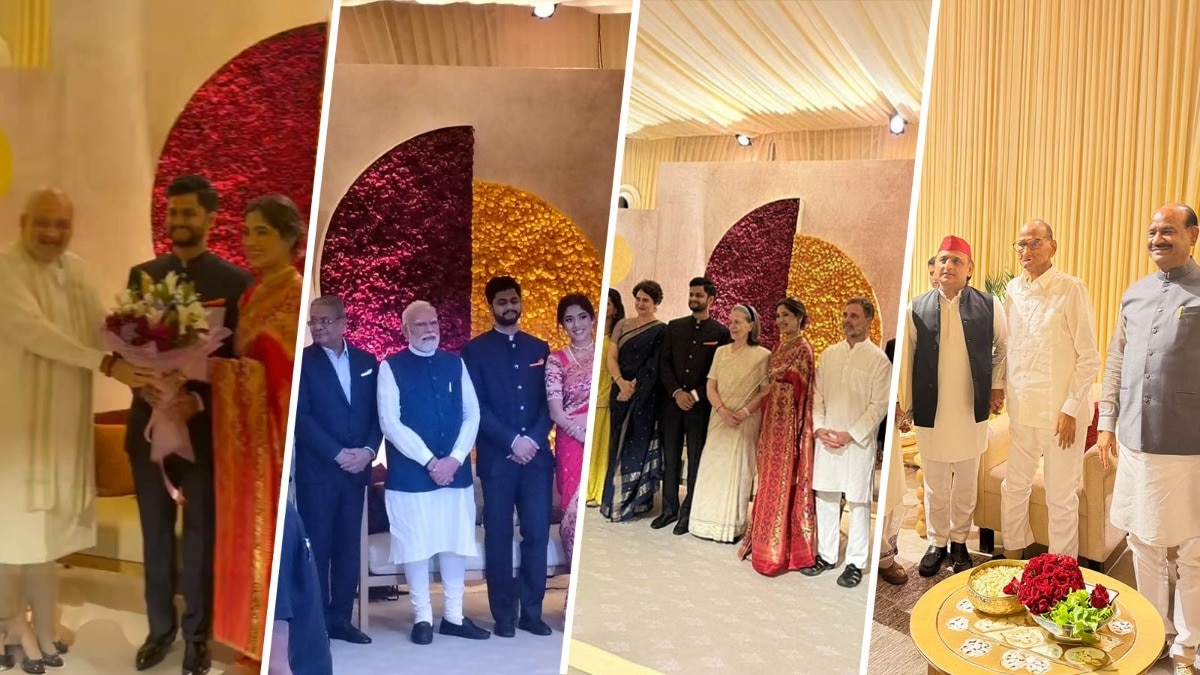
Delhi witnessed a rare gathering of top political figures at the reception of NCP (SP) MP Supriya Sule’s daughter Revati, with Prime Minister Narendra Modi, Home Minister Amit Shah and the Gandhi family among the guests. The event highlights how personal celebrations can temporarily bridge partisan divides in Indian politics.
Key Takeaways
- Prime Minister Narendra Modi attended Revati Sule's reception.
- Sonia, Rahul and Priyanka Gandhi also joined to congratulate the Pawar family.
- Leaders from rival parties gathered together at a personal social event.
The reception for Revati Sule, daughter of NCP (SP) MP Supriya Sule, turned into a high‑profile gathering in New Delhi, drawing the nation’s top leaders under one roof. Prime Minister Narendra Modi, Home Minister Amit Shah, and Congress stalwarts Sonia Gandhi, Rahul Gandhi and Priyanka Gandhi Vadra were among the distinguished guests.
Held at the Pawar family’s 6, Janpath residence, the event saw Sharad Pawar, Supriya Sule and the newlyweds Revati and Sarang Lakhani welcoming attendees. Media attention surged as political rivals appeared side‑by‑side in a private celebration, a rarity in India’s polarized landscape.
The guest list also featured RSS chief Mohan Bhagwat, Congress president Mallikarjun Kharge, Samajwadi Party chief Akhilesh Yadav, Lok Sabha Speaker Om Birla and several chief ministers, all extending their blessings to the couple.
Why This Matters
BozokMedia analysis shows that such cross‑party gatherings, even in personal events, signal a temporary softening of political tensions and provide a platform for informal dialogue, which could influence future policy negotiations.
“Despite political rivalry, personal respect at social gatherings often bolsters national stability,” says political scientist Dr. Anjali Mehra.
Frequently Asked Questions
Q1: Who attended Revati Sule’s wedding reception?
Answer: Prime Minister Narendra Modi, Amit Shah, Sonia Gandhi, Rahul Gandhi, Priyanka Gandhi Vadra, Mohan Bhagwat, Akhilesh Yadav and several state chief ministers.
Q2: What impact could this event have on Indian politics?
Answer: It may temporarily ease inter‑party communication and inspire future collaborative initiatives.