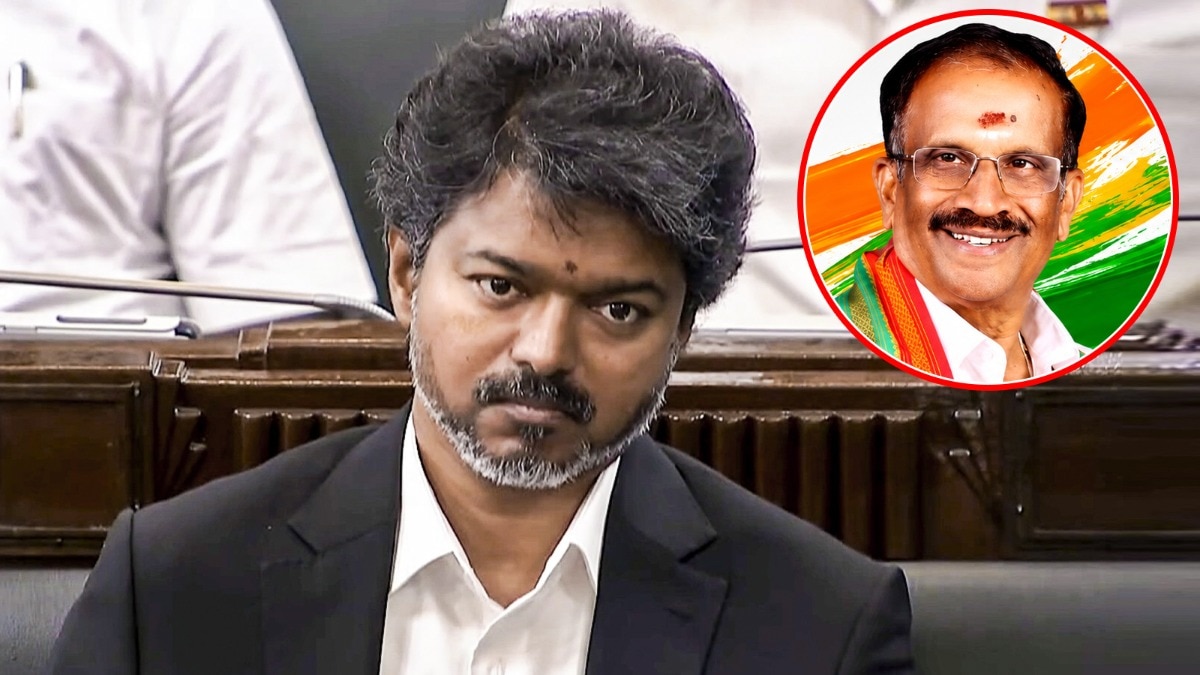
In a historic shift in Tamil Nadu politics, BJP's lone MLA M Bhojarajan is taking a stand against CM Vijay's government. While Dravidian giants DMK and AIADMK align on key issues, Bhojarajan remains the solitary voice of dissent.
- M Bhojarajan is the only BJP representative in the 234-member Tamil Nadu Assembly.
- He opposed government resolutions on NEET abolition and the FCRA Amendment Bill 2026.
- He represents the Udhagamandalam constituency and is the oldest member of the House.
The Tamil Nadu Assembly has long been defined by the binary struggle between the Dravida Munnetra Kazhagam (DMK) and the All India Dravida Munnetra Kazhagam (AIADMK). However, the current tenure under Chief Minister C Joseph Vijay's TVK government is witnessing an unusual political dynamic. A single legislator, devoid of the support of the Dravidian heavyweights, has emerged as the primary antagonist to the government's resolutions.
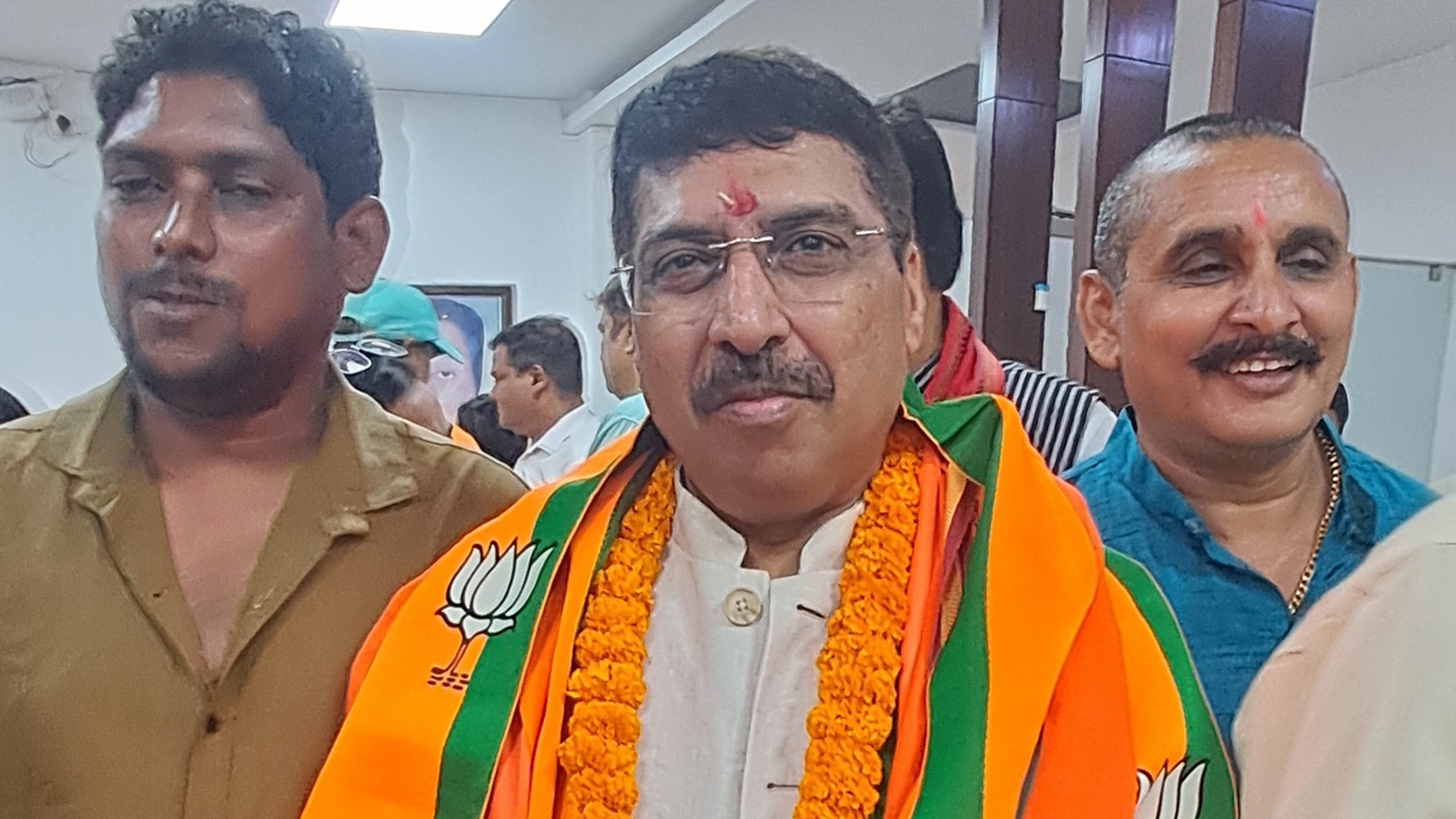
M Bhojarajan, the Bharatiya Janata Party's (BJP) lone MLA, has become the solitary voice of opposition during the ongoing Assembly session. In a surprising turn of events, the principal opposition parties, DMK and AIADMK, have backed the Vijay-led government on several contentious issues, leaving Bhojarajan as the only member to vote against the state's collective stance.
The Profile of a Lone Warrior
Born in 1946, the 79-year-old MLA from the Udhagamandalam constituency (Ooty) brings a diverse professional background to the House. A former planter and advocate, Bhojarajan is deeply rooted in the tea economy of the Nilgiris. His academic journey includes studies at Government Arts College in Ooty, a law degree from Madras Law College, and a diploma in criminology.
His political trajectory saw him move from the Congress party to the BJP around 2014. After a narrow loss in 2021, he secured his seat in the most recent election with a thin margin of 976 votes, making him the sole BJP survivor in a state where the party's numbers have dwindled.
Clash over NEET and FCRA
The most prominent clash occurred over the NEET exam. While the TVK government urged the Centre to scrap the test in favor of Class 12 marks, Bhojarajan argued that NEET provides opportunities for students from remote areas like Pollachi. He suggested that the state should enhance coaching infrastructure rather than seek the exam's abolition, subsequently walking out of the House in protest.
Similarly, on the Foreign Contribution (Regulation) Amendment Bill, 2026, Bhojarajan defended the Central Government's position. He argued that regulation is essential to prevent the misuse of foreign funds, directly opposing the government's resolution to withdraw the legislation.
Why This Matters
BozokMedia analysis shows that Bhojarajan's role transcends mere numerical representation. By positioning himself against a rare consensus between TVK, DMK, and AIADMK, he is effectively maintaining a 'Nationalist' outpost in a 'Dravidian' fortress. His dissent ensures that the BJP's ideological framework is recorded in the assembly archives, preventing a total regional monopoly on the political discourse.
"When a single individual stands against the combined will of the ruling and opposition parties, the act becomes a symbol of ideological rigidity over political pragmatism."
The divide further deepened over the issue of delimitation. While the state government sought to freeze the current distribution of Lok Sabha seats to protect Tamil Nadu's interests, Bhojarajan remained aligned with the Centre's broader vision.
| Issue | TVK/DMK/AIADMK Stance | M Bhojarajan (BJP) Stance |
|---|---|---|
| NEET Exam | Demand for Abolition | Support with Coaching Improvements |
| FCRA Bill | Demand for Withdrawal | Support for Regulation |
| Delimitation | Freeze current seat ratio | Align with Central Policy |
Frequently Asked Questions
1. Who is M Bhojarajan?
He is the only BJP MLA in the Tamil Nadu Assembly, representing the Udhagamandalam constituency.
2. Why is he opposing the CM Vijay government?
He is defending the policies of the Central Government (BJP) on issues like NEET and FCRA, which the state government and regional parties oppose.