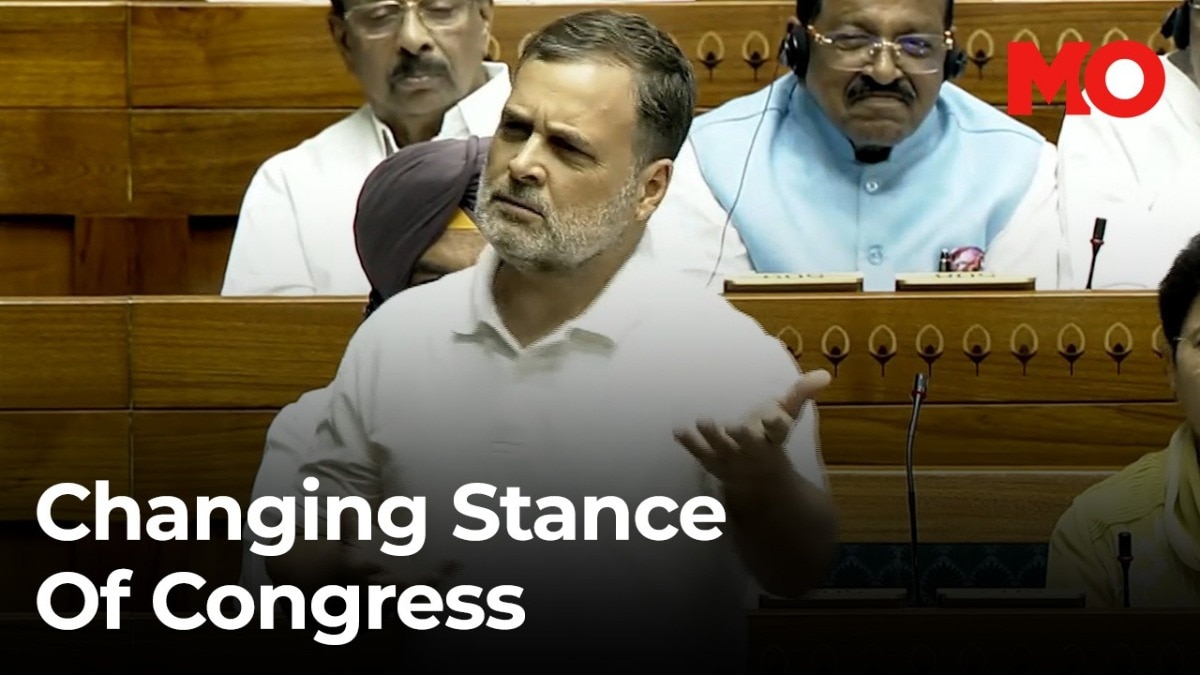
The Congress party has intensified its offensive in Parliament by shifting its demands for resignations and statements, focusing on Union Ministers Dharmendra Pradhan and Amit Shah, alongside Prime Minister Narendra Modi. This strategic pivot aims to corner the government on critical issues ranging from exam paper leaks to constitutional integrity.
Key Takeaways
- Congress demands the immediate resignation of Education Minister Dharmendra Pradhan.
- Direct attacks launched against Home Minister Amit Shah and PM Modi.
- Parliamentary deadlock continues as legislative business takes a hit.
The Winter Session of the Indian Parliament has witnessed a significant escalation in political confrontations. The Congress party has recalibrated its strategy, moving from general grievances to targeted attacks on the highest echelons of the government. This shift is not merely procedural but represents a concerted effort to disrupt the government's narrative and hold specific leaders accountable.
Pressure on the Education Minister
The sharpest edge of the Congress's attack is directed at Union Education Minister Dharmendra Pradhan. In the wake of the NEET-UG paper leak scandal and alleged irregularities in the education system, the party is steadfast in its demand for his resignation. The opposition argues that those who play with the futures of students do not deserve to remain in office.
Questioning the Home Minister and PM
Beyond Dharmendra Pradhan, Congress has placed Home Minister Amit Shah and Prime Minister Narendra Modi in the crosshairs. Questions are being raised regarding law and order and the protection of the Constitution under Shah's tenure. Furthermore, the Prime Minister is being targeted for his perceived silence on key issues. Congress insists that ultimate accountability rests with the Prime Minister, who must address the House directly.
Historical Background
This is not the first time Parliament has seen demands for ministerial resignations. From the 2G spectrum scam to the Bofors scandal, opposition parties have historically used this tactic to apply pressure. However, the current strategy differs in its scope; Congress is simultaneously pressurizing three levels of leadership—the Cabinet Minister, the Senior Minister, and the Prime Minister.
Why This Matters
BozokMedia analysis shows that this strategic shift is a decisive move by the Congress leadership. It aims to push the government into a defensive posture and sow seeds of distrust among the electorate. If this deadlock persists, its repercussions are likely to be felt in the upcoming state assembly elections.
Parliamentary opposition is not just about noise; it is the most powerful instrument for democratic accountability.
| Demand | Previous Stance | Current Stance |
|---|---|---|
| Dharmendra Pradhan | Demand for Inquiry | Demand for Immediate Resignation |
| Amit Shah | Questioning Statements | "Save Constitution" Issue |
| PM Modi | General Criticism | Demand for Direct Accountability |
Frequently Asked Questions
Q: Why is Congress protesting against Dharmendra Pradhan in Parliament?
Answer: Congress is holding the Education Minister responsible for the NEET-UG exam paper leak scandal and the decline in educational standards.
Q: What will be the impact of this deadlock?
Answer: The continued disruption could stall parliamentary proceedings and prevent the passage of important bills.