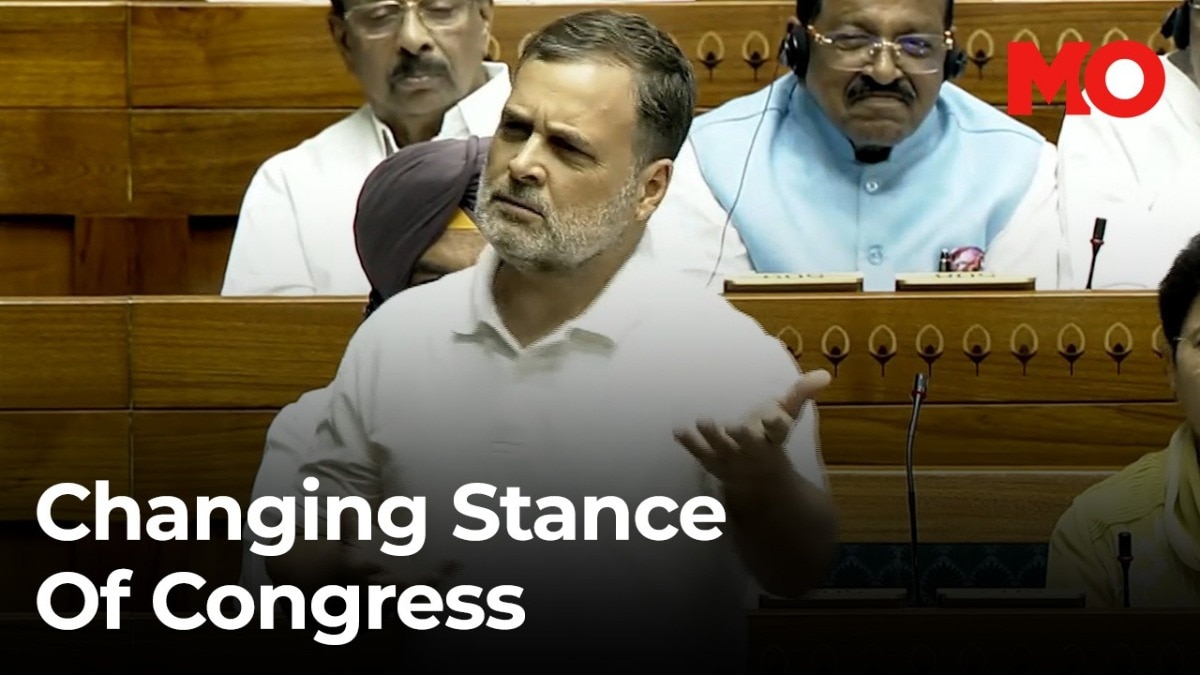
The Karnataka government has mandated official permission for the private use of public spaces, sparking intense debate over whether the move is a political strike against the RSS.
Key Takeaways
- Official permission is now mandatory for any private use of public land in Karnataka.
- Speculation arises regarding the move targeting RSS-affiliated activities.
- The government aims to streamline public resource management.
In a significant administrative move, the Karnataka government has announced that no individual or organization can utilize public spaces for private purposes without obtaining formal authorization. This directive has sent ripples through the state's political landscape.
Political Implications and the RSS Connection
The announcement has quickly become a flashpoint in state politics. Critics and opposition leaders have raised questions, suggesting that the move is strategically designed to curb the activities of the Rashtriya Swayamsevak Sangh (RSS) and other affiliated organizations. However, the state administration maintains that the order is purely procedural and aimed at preventing unauthorized occupations of public property.
Why This Matters
BozokMedia analysis shows that while such regulations are essential for urban planning and maintaining law and order, the timing and implementation can often be perceived as politically motivated, potentially affecting the state's social harmony.
Regulating public spaces is a double-edged sword; it ensures order but can be weaponized to stifle political expression.
Historically, the management of public commons has been a contentious issue in India. By tightening these regulations, the Karnataka government is asserting greater control over how communal and public assets are utilized by various social and political groups.
Frequently Asked Questions
Question 1: Does this affect individual citizens using parks?
Answer: The rule primarily targets organized private use and large-scale gatherings rather than casual public use.
Question 2: What are the penalties for non-compliance?
Answer: Unauthorized use may lead to fines or legal action as per state regulations.