The NEET exam protests at Jantar Mantar have exposed critical vulnerabilities in India's digital governance, ranging from app bans to AI surveillance. This deep dive examines the tension between national security and digital rights.
Key Takeaways
- Digital control is becoming the primary response to offline governance challenges.
- Temporary bans on platforms like Telegram set dangerous legal precedents.
- Use of AI-powered Facial Recognition (FRT) lacks clear regulatory frameworks.
- The tension between national security and fundamental digital rights is escalating.
The protests triggered by the NEET exam crisis have become a microcosm of the systemic issues within India’s approach to internet governance. What began as a movement against exam paper leaks has evolved into a demonstration of how digital control is often deployed as a first line of response when traditional governance is challenged.
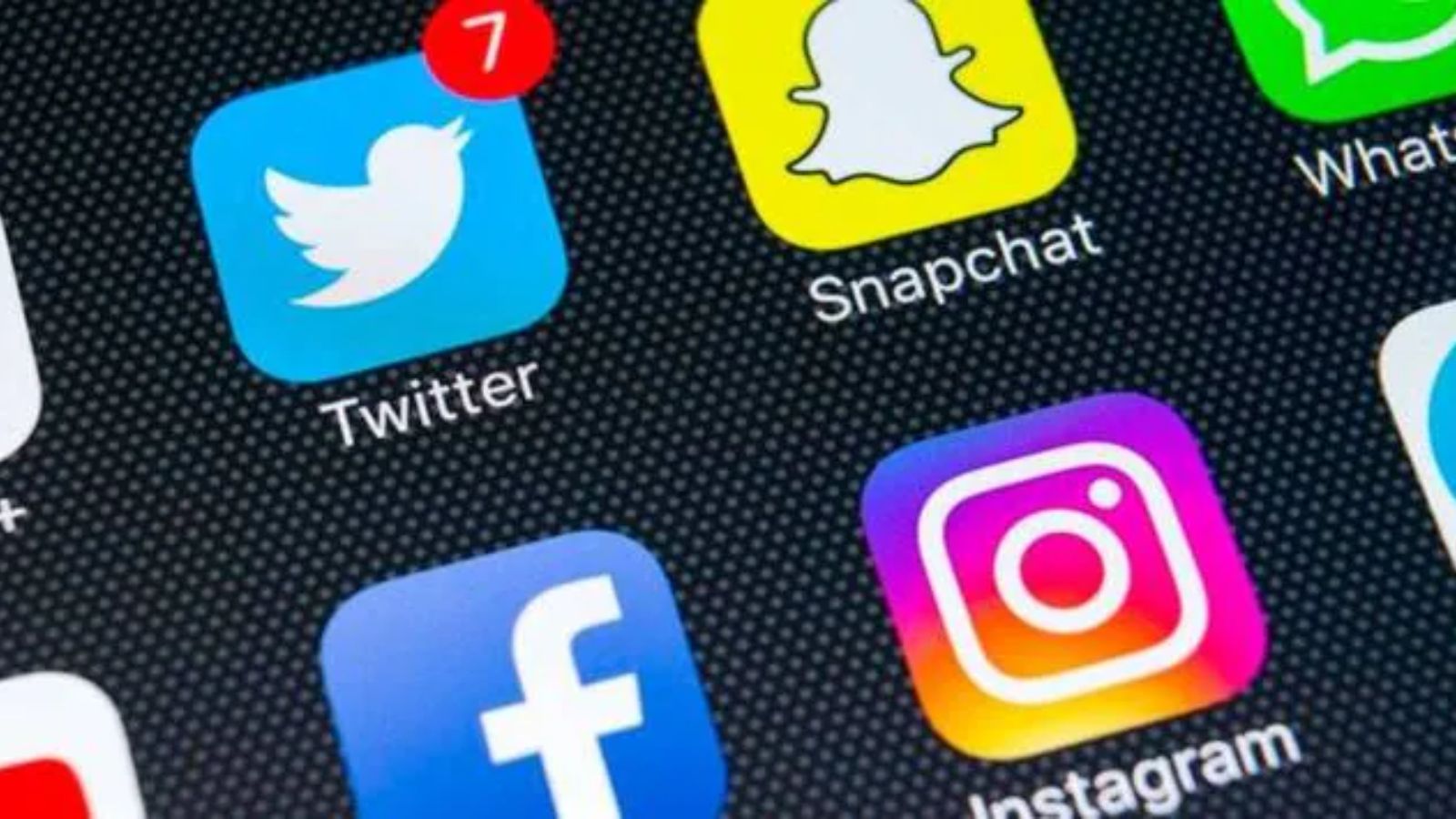
The government has utilized a broad toolkit, including restrictions on messaging apps and increased surveillance. For instance, the temporary ban on Telegram—a platform with 150 million users—highlights a concerning trend. While courts have labeled such moves as 'least restrictive,' they often overlook the disproportionate impact on millions of citizens and the inevitable shift to VPNs, which renders the ban ineffective.
Why This Matters
BozokMedia analysis shows that these procedural actions risk branding India as an unpredictable democracy on the global stage. Interfering with product design and banning entire platforms in response to localized misuse stifles innovation, compromises security development, and negatively impacts the ease of doing business.
The use of digital suppression to manage offline dissent creates a dangerous precedent for democratic accountability.
Furthermore, the deployment of AI-powered facial recognition technology (FRT) and the 'Ikshana' surveillance vehicle during protests raises massive privacy concerns. Currently, there are no specific rules governing the use of FRT by police, and no privacy impact assessments are conducted, leaving the constitutional right to privacy vulnerable in high-pressure situations.
Frequently Asked Questions
1. How does internet shutdown affect protesters?
Internet access is vital for free expression, accessing accurate information, and documenting human rights abuses during protests.
2. What is the risk of using FRT without regulation?
Without strict rules, FRT can lead to mass surveillance and high rates of false identifications, infringing on individual privacy.