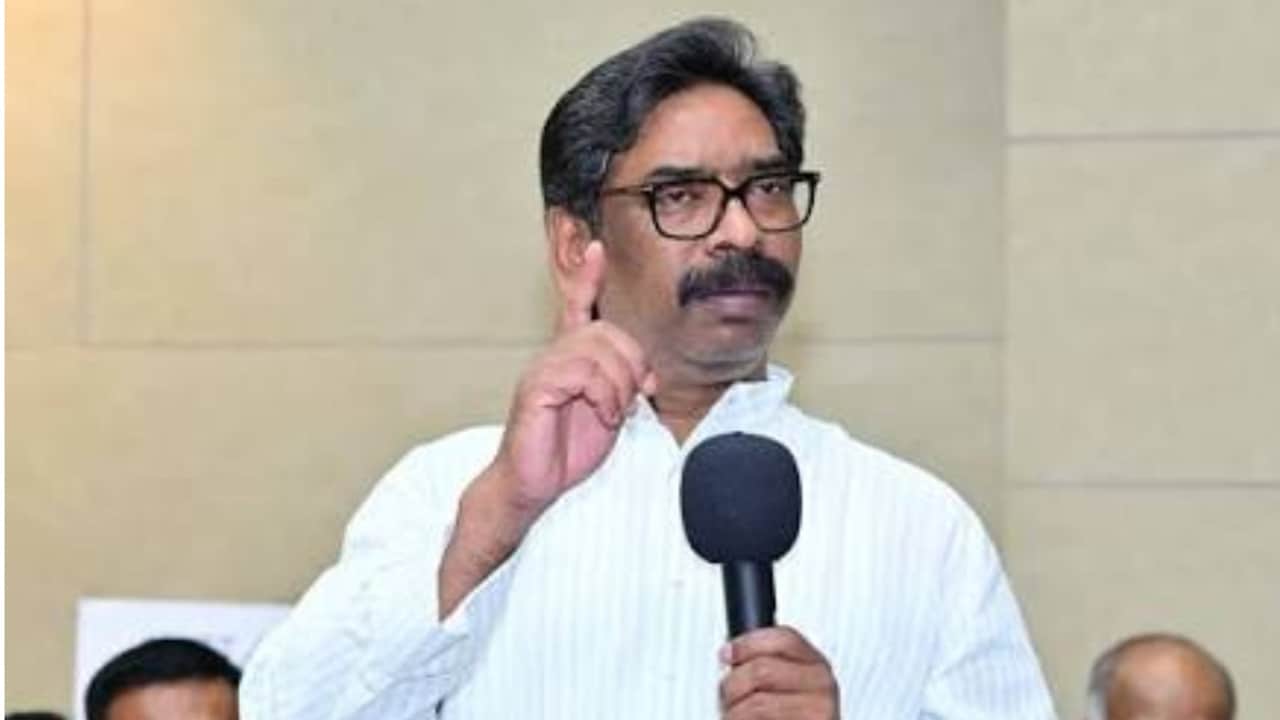
BJD President Naveen Patnaik has slammed the Mines and Minerals Amendment Bill, 2026, labeling it a threat to Odisha's constitutional rights and fiscal independence. He has called for an emergency all-party meeting to address the crisis.
Key Takeaways
- Naveen Patnaik termed the 2026 Mining Bill a 'threat' to Odisha's resource rights.
- The BJD warns of massive revenue losses for mineral-rich states.
- Demands have been made for a special Assembly session and an all-party meeting.
- The Bill centralizes rule-making authority, stripping states of tax powers.
Former Chief Minister of Odisha and Biju Janata Dal (BJD) president Naveen Patnaik has launched a scathing attack on the recently passed Mines and Minerals (Development and Regulation) Amendment Bill, 2026. Describing the legislation as a direct assault on Odisha's fiscal autonomy, Patnaik has demanded a special session of the Assembly to voice the state's dissent.
In a formal communication to Chief Minister Mohan Charan Majhi, the senior opposition leader highlighted that the provisions within the Bill would disproportionately impact mineral-rich states. He argued that by restricting the power of states to levy taxes and cesses on mineral-bearing lands, the Union Government is effectively stifling the developmental agenda of the state.
Why This Matters
BozokMedia analysis shows that this legislative shift represents a significant tug-of-war regarding Indian federalism. The centralization of rule-making authority and the limitation of state-level taxation could fundamentally alter the economic landscape for states that rely heavily on mining revenue for public welfare, education, and infrastructure.
"Odisha’s natural wealth belongs to her people, and the revenue generated from mining operations is crucial for financing healthcare and infrastructure."
The controversy is not limited to Odisha. Hemant Soren, the Chief Minister of Jharkhand, has also condemned the legislation, calling it a "black Bill" and threatening widespread grassroots protests across his state.
Historical Background
Historically, the management of mineral resources in India has been a shared responsibility between the Union and the States. However, recent legislative trends suggest a move toward greater centralization, sparking intense debate over the constitutional rights of states to manage their own natural wealth.
Frequently Asked Questions
1. What is the primary concern of the BJD regarding the Mining Bill?
The BJD is concerned that the Bill strips states of their power to impose taxes on minerals, leading to massive revenue losses.
2. How has Jharkhand responded to this Bill?
Jharkhand CM Hemant Soren has called it a "black Bill" and warned of massive protests in every district and panchayat.