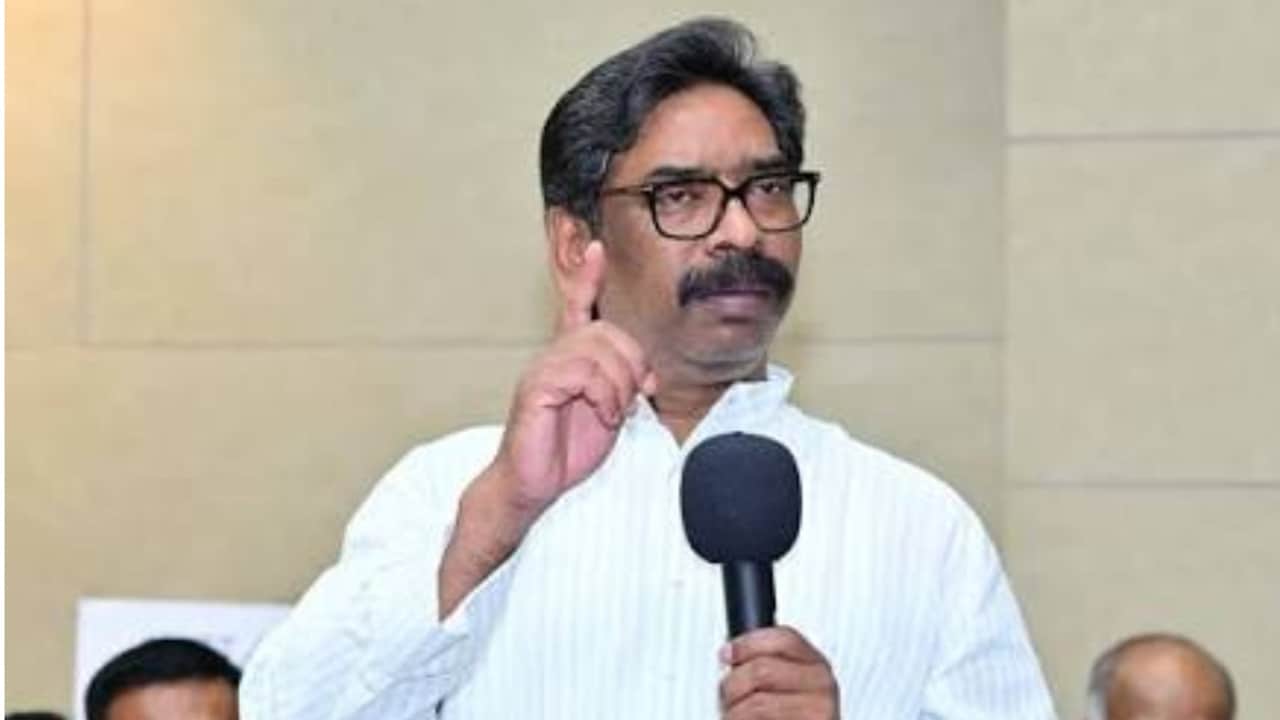
A commemorative event for Partition Day in Gurugram turned into a political confrontation when BJP MP Rao Inderjit Singh questioned the exclusion of local leaders and the 'community-specific' nature of the program.
Key Takeaways
- Union Minister Rao Inderjit Singh publicly objected to the organization of the Partition Day event in Gurugram.
- He criticized the program for being framed as 'community-specific' rather than a broader party or state event.
- The incident highlighted visible fault lines within the Haryana BJP leadership.
The Vibhajan Vibhishika Smriti Diwas (Partition Horrors Remembrance Day) event held at Sector 29, Gurugram, took an unexpected turn on Friday. What was intended to be a solemn commemoration of the Partition's tragedies became a stage for internal political friction within the Bharatiya Janata Party (BJP), as MP Rao Inderjit Singh raised objections regarding the event's inclusivity.
The Core of the Dispute
Taking the microphone, Singh expressed his dissatisfaction with the lack of local representation. He pointed out that while dignitaries from various regions were present, local leaders appeared to have been sidelined. "I think local people have not been invited today. I object to this," Singh remarked, questioning why the event felt more like a 'community-specific' gathering rather than a unified party program.
Singh went further by drawing comparisons with other districts, questioning if local MPs from Panipat or Karnal would have been treated differently. He emphasized that the legacy of Partition in Haryana belongs to all communities, noting that the state's success, including its first Punjabi Chief Minister, was built on the support of all citizens, not just one group.
Why This Matters
BozokMedia analysis shows that such public outbursts during high-profile events involving national leaders like Nitin Nabin and Manohar Lal indicate a struggle for local dominance and recognition within the state unit. When internal grievances are aired in front of the national leadership, it can signal underlying organizational instability.
"Publicly contesting the inclusivity of a commemorative event can inadvertently shift the focus from historical remembrance to contemporary power struggles."
Historical Background
The Partition of 1947 remains one of the most significant and traumatic events in modern history. In Haryana, the influx of displaced persons played a crucial role in the state's demographic and political evolution. Commemorating this day is intended to honor the victims, but it often intersects with the complex politics of community identity.
Frequently Asked Questions
1. Why was Rao Inderjit Singh unhappy?
He was unhappy because he believed local leaders were not formally invited and that the event was being projected as a community-specific gathering rather than a state-wide event.
2. Who were the prominent attendees?
The event included BJP National President Nitin Nabin, Union Minister Manohar Lal, and Haryana BJP President Archana Gupta.