As the Monsoon Session concludes, the BJP finds itself on the defensive following student protests, electoral setbacks, and internal friction. A deep dive into why the ruling party's narrative faltered.
Key Takeaways
- Resignation of Union Education Minister Dharmendra Pradhan followed massive student protests.
- The government struggled to pass the FCRA Amendment Bill, 2026, sending it to a Joint Committee.
- Internal friction surfaced regarding leadership appointments and decision-making speed.
- Opposition successfully forced the government into a defensive stance on police excesses.
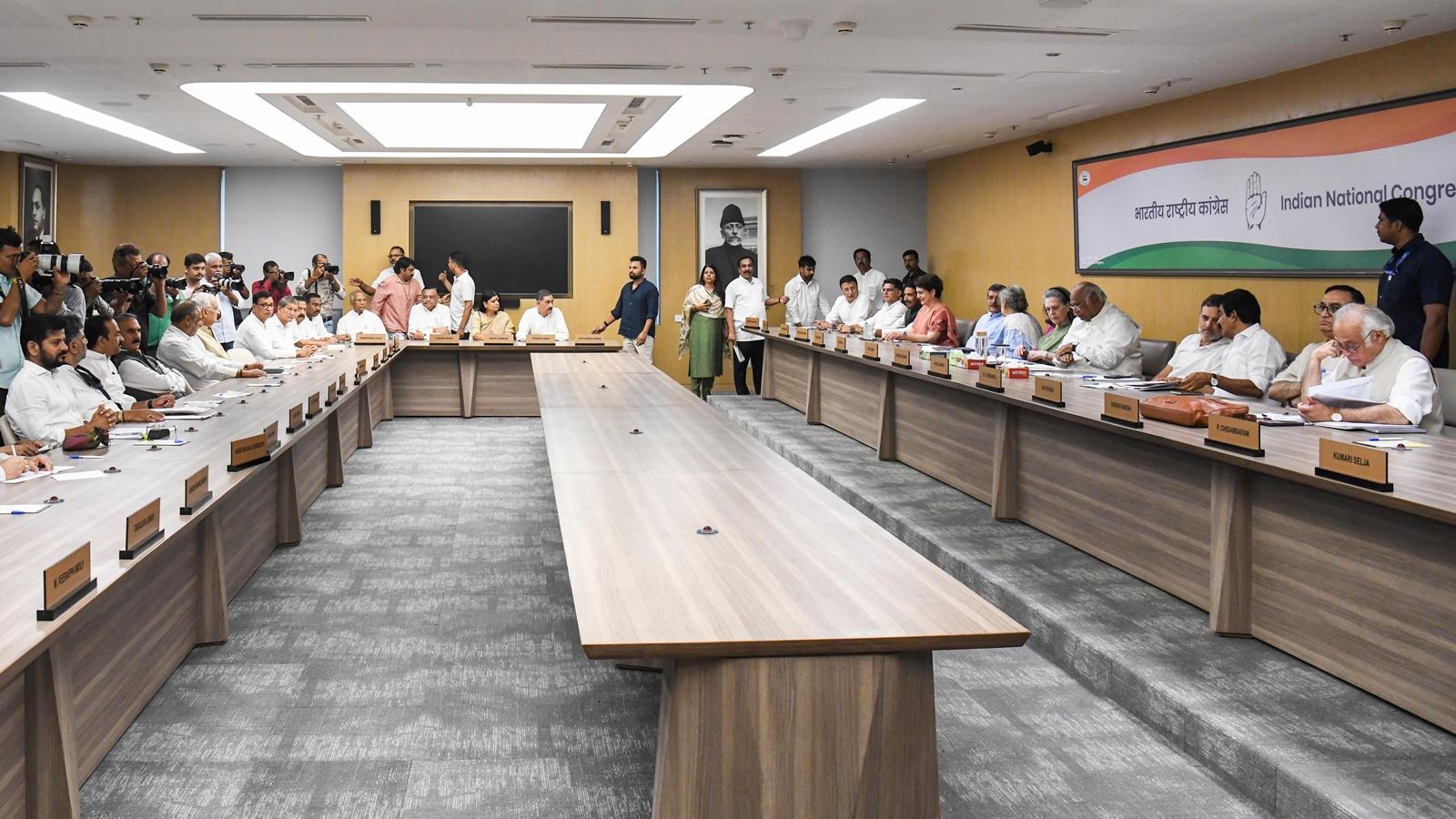
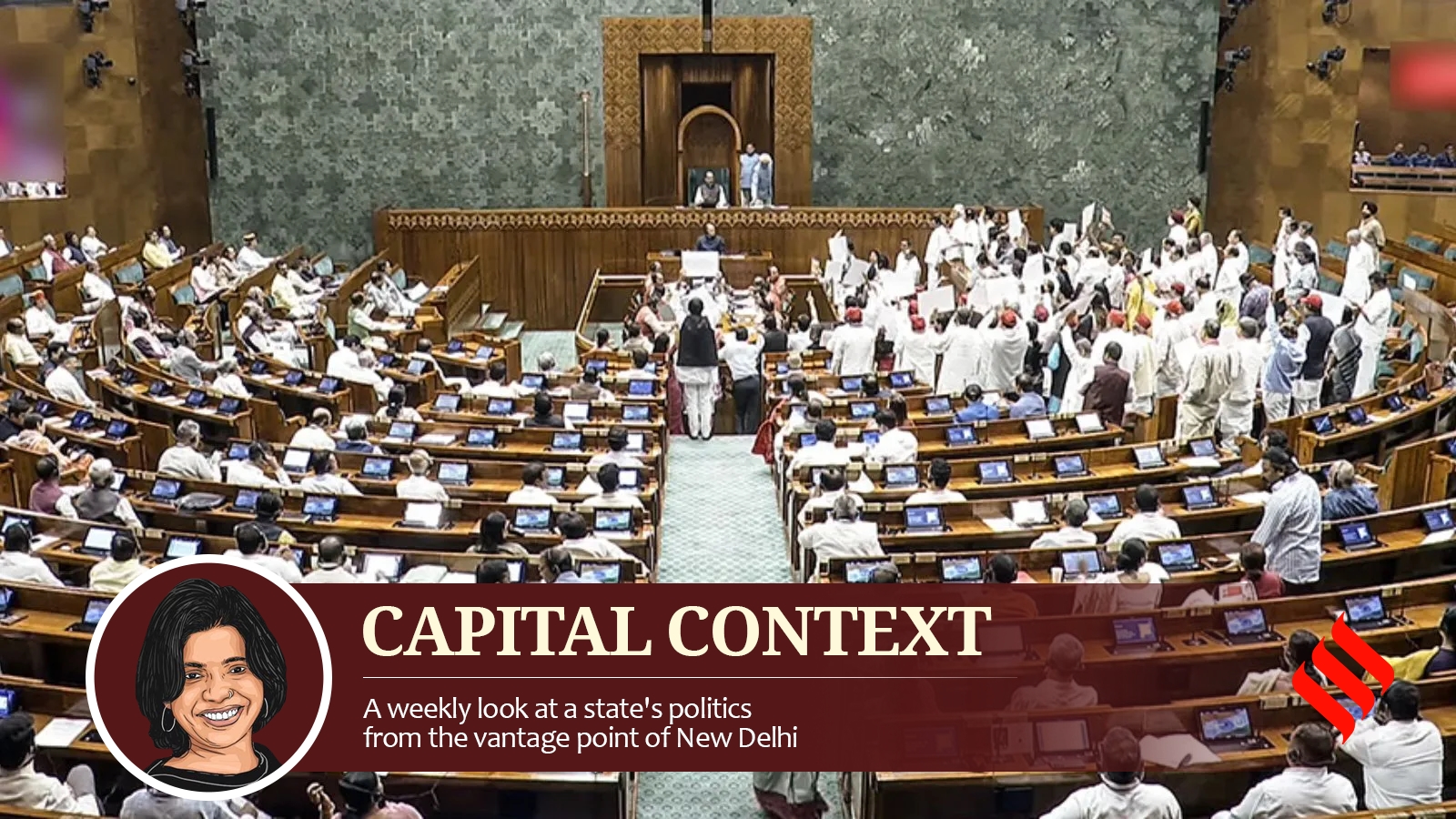
The conclusion of the Monsoon Session has left the Bharatiya Janata Party (BJP) in an uncharacteristic defensive posture. While the session began with the government appearing dominant, a series of rapid-fire developments shifted the momentum toward the Opposition.
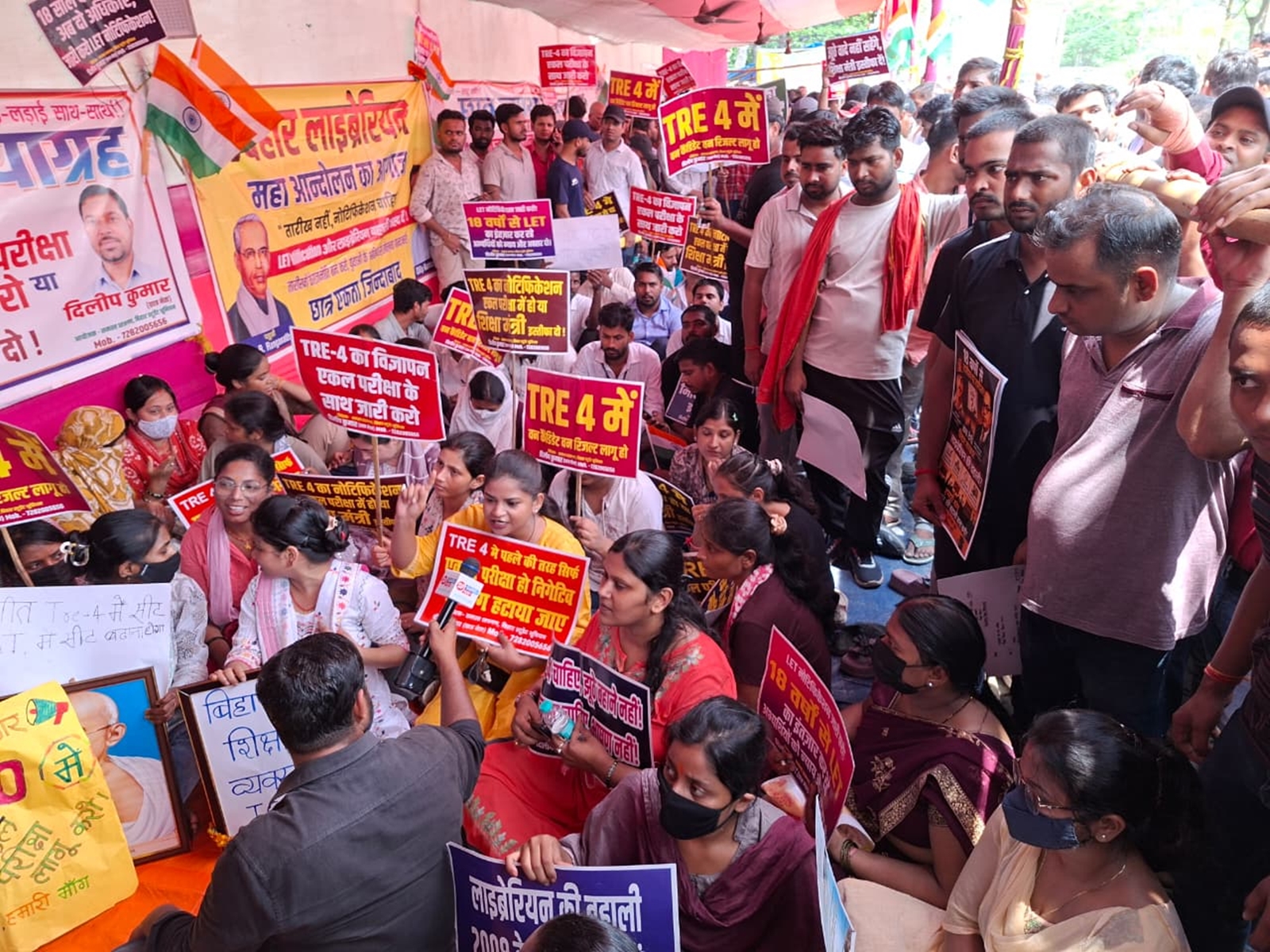
The turning point arrived early when protests against exam paper leaks led to the resignation of Dharmendra Pradhan. This, coupled with unexpected electoral setbacks in BJP bastions, created a sense of vulnerability that the Opposition was quick to exploit.
Why This Matters
BozokMedia analysis shows that the ability to control the political narrative is the cornerstone of the BJP's governance model. The inability to address specific allegations regarding police action in the House and the hesitation in introducing major bills like the Delimitation Bill suggest a growing uncertainty regarding numbers and public sentiment.
"The divergence between RSS leadership and the party's political strategy could create significant friction in upcoming state elections."
Furthermore, internal disquiet regarding the delay in appointing new state teams and the perceived 'policy paralysis' among senior MPs suggests that the BJP's hallmark of swift decision-making is under scrutiny. Even the Rajya Sabha Chairman's call for the Treasury benches to echo opposition sentiments left party insiders stunned.
| Feature | Government Stance | Opposition Stance |
|---|---|---|
| Student Protests | Handled via police action | Demanded accountability |
| Legislative Speed | Passed 12 Bills | Claimed lack of debate |
| FCRA Bill | Sent to Joint Committee | Demanded immediate passage |
Frequently Asked Questions
1. Why was the FCRA Amendment Bill not passed?
The government recommended it to a Joint Committee of Parliament instead of pushing it through a simple majority.
2. What was the impact of the Gen Z protests?
The protests led to the resignation of the Education Minister and forced the government to defend its handling of law and order.