The Congress Working Committee's decision to sing only the first two stanzas of Vande Mataram has sparked internal dissent, with some leaders fearing it plays into BJP's hands.
- The CWC has reaffirmed that only the first two stanzas of Vande Mataram will be sung at party events.
- Internal dissent is rising, with some members calling it a strategic blunder.
- The decision is based on a 1937 CWC resolution involving freedom fighters.
- Legal expert Abhishek Manu Singhvi differentiates between public and private functions.
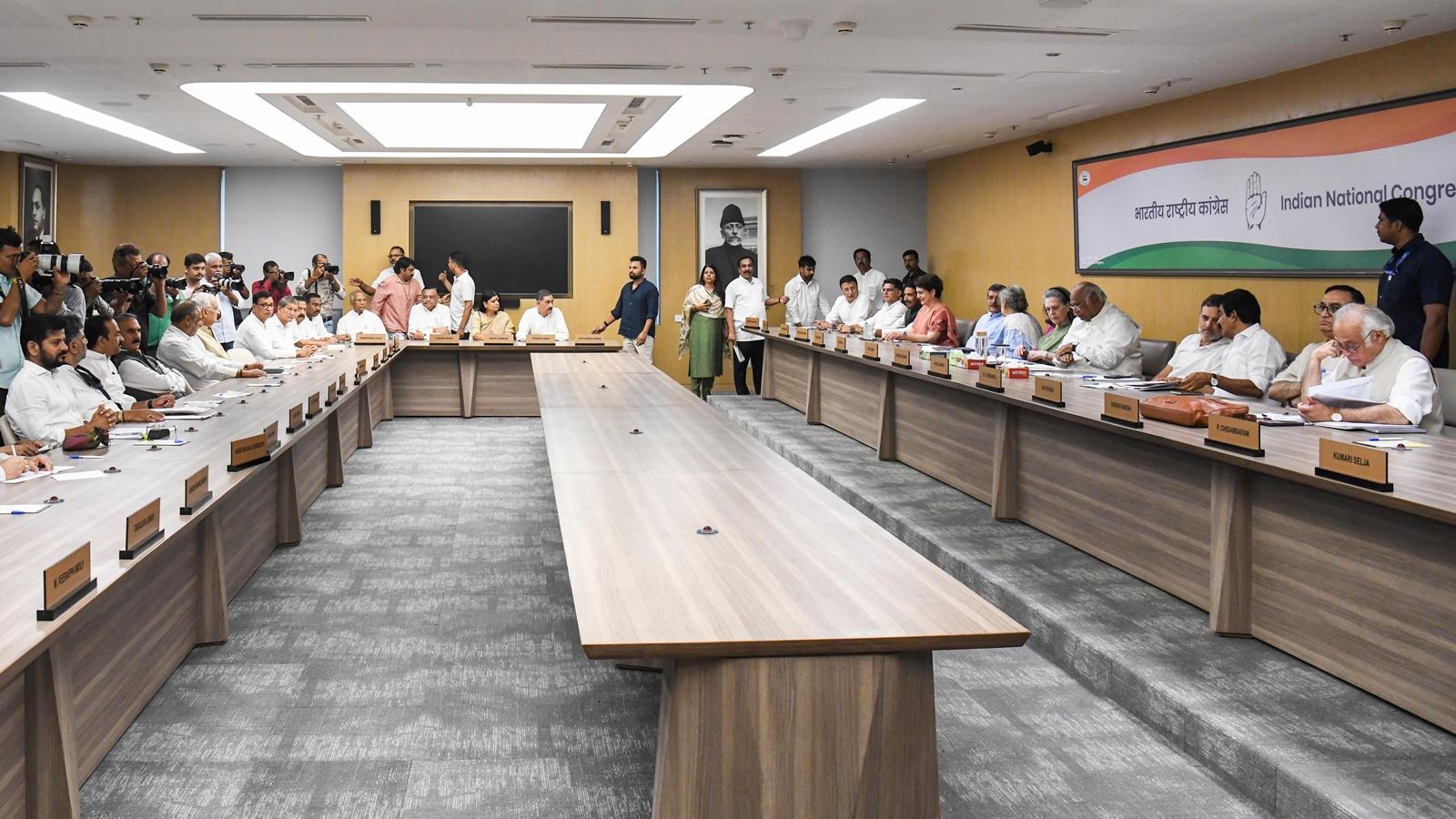
A significant ideological divide has emerged within the Indian National Congress following the Congress Working Committee's (CWC) decision to limit the rendition of Vande Mataram to its first two stanzas during party functions. While the leadership seeks to maintain historical consistency, several party insiders are expressing deep unease, fearing the move provides political ammunition to the BJP.
Critics within the party suggest that the leadership has failed to navigate the nuance of cultural symbolism in modern Indian politics. One CWC member expressed concern that the party is inadvertently playing into the BJP's narrative of nationalism. "We should not have played to the BJP’s strength," the member remarked, suggesting that the party should focus on more pressing issues like student aspirations and economic concerns rather than getting bogged into symbolic debates.
Why This Matters
BozokMedia analysis shows that in the current political climate, cultural and religious symbols are frequently weaponized to define patriotism. By taking a specific stand on the national song, the Congress risks being framed by its opponents as 'less patriotic,' a narrative that the BJP has successfully utilized in recent years to consolidate its voter base.
The internal friction within Congress highlights the difficulty of balancing historical legacy with the demands of contemporary political warfare.
Defending the decision, Congress leader Kanhaiya Kumar stated that a clear stand was necessary to avoid confusion among the party's rank and file. The CWC justified its stance by citing a 1937 resolution where prominent freedom fighters, including Mahatma Gandhi and Rabindranath Tagore, supported limiting the public rendition to the initial stanzas.
Adding a legal dimension, Abhishek Manu Singhvi clarified that the Prevention of Insults to National Honour (Amendment) Bill, 2026 distinguishes between official government functions and private or party functions. Singhvi argued that the BJP is attempting to conflate patriotism with a specific six-stanza rendition to spread misinformation against the opposition.
The controversy is further complicated by the inconsistent application of the song in Congress-led states. While Himachal Pradesh, Karnataka, and Telangana sang the full version during official Independence Day events, the Kerala government opted to skip the rendition entirely. This inconsistency underscores the lack of a unified policy across the party's various governance models.
Frequently Asked Questions
1. Why is the Congress limiting the stanzas of Vande Mataram?
The CWC cited a 1937 resolution from the freedom movement era as the historical basis for singing only the first two stanzas at party events.
2. Is it legal to sing only part of the song?
According to legal counsel Abhishek Manu Singhvi, the law focuses on preventing insults during official functions, and there is a distinction between public and private party events.
| Context | Vande Mataram Status |
|---|---|
| Congress-ruled States (HP, KA, TS) | Full version sung (Official) |
| Kerala Government | Skipped entirely |
| Congress Party Events | First two stanzas only (CWC mandate) |