The introduction of seat rotation and reservation in Rajasthan's Panchayat elections is disrupting the long-standing control of influential political families. From Nagaur to Jaisalmer, the traditional power structures are facing an unprecedented challenge.
Key Takeaways
- Seat rotation and reservation policies are disrupting the grip of prominent political families in Rajasthan.
- Districts like Nagaur, Jaisalmer, and Sikar are seeing significant shifts in power equations.
- In 2020, 50% of Zila Pramukhs belonged to influential political families.
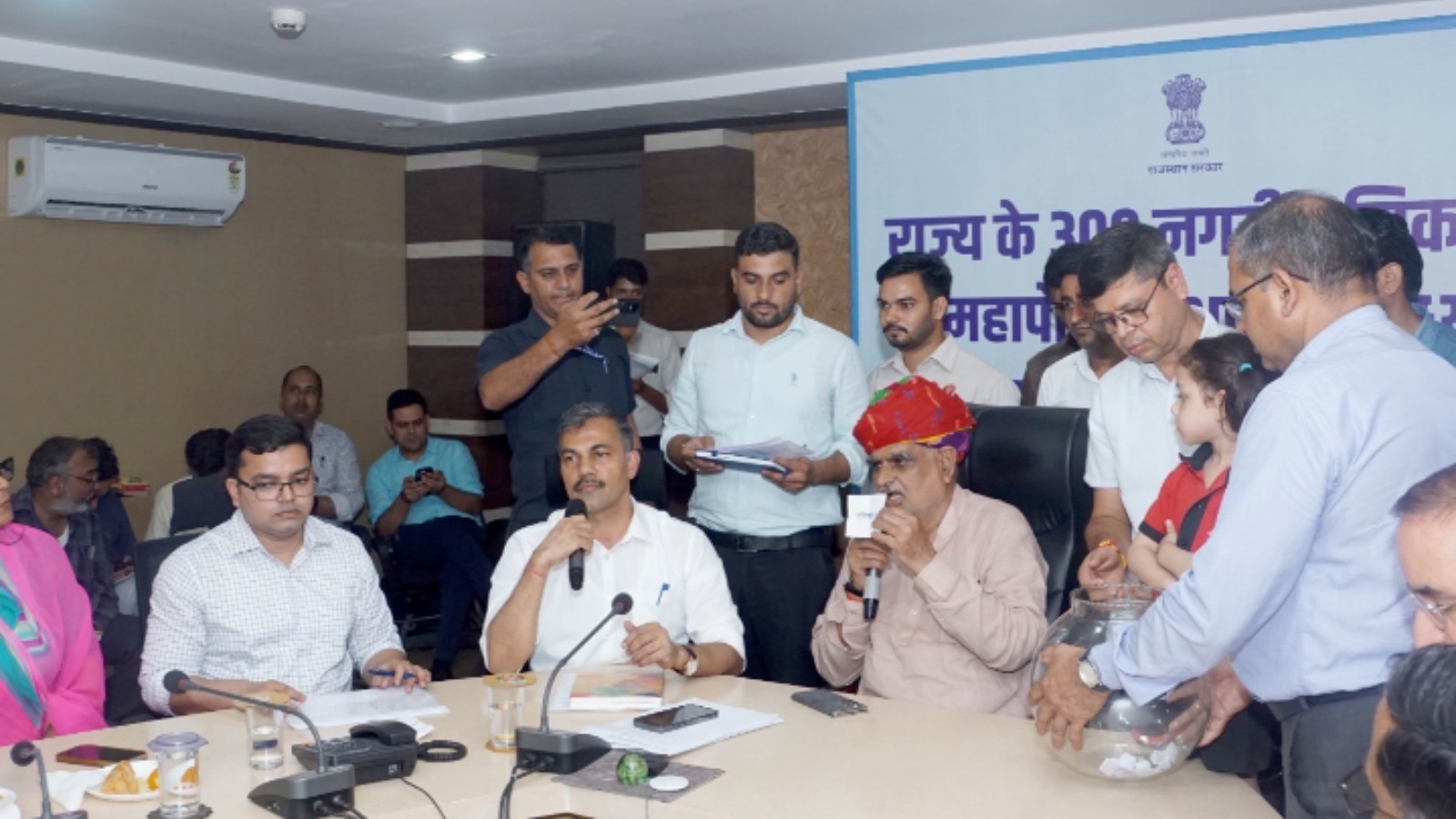
- The lottery system for seat reservation prevents traditional leaders from installing their chosen successors.
The political landscape of Rajasthan is undergoing a tectonic shift. The lottery system introduced for Zila Parishad seats in the Panchayati Raj elections has dealt a significant blow to influential political families. For decades, these families have dominated decision-making in districts like Nagaur, Jaisalmer, and Sikar, often nominating their own kin to secure key positions.
Historically, local politics in Rajasthan has been a stronghold for political dynasties. During the 2020 local body elections, 10 out of 20 Zila Pramukhs were selected from prominent families belonging to either the Congress or BJP. Senior leaders frequently utilized their political clout to introduce wives, daughters, and daughters-in-law into the political fray to maintain family control.
Regional Impact Analysis
Nagaur: Long dominated by Jat leaders from the Mirdha and Beniwal communities, the political equation has been upended as the seat is now reserved for Scheduled Castes (SC). While these families remain influential, they can no longer contest the top post directly.
Jaisalmer: In a rare move, the seat has been reserved for Scheduled Tribes (ST), a situation not seen in 30 years. This has left the influential Gaji Fakir family—which has produced three Zila Pramukhs—scrambling for new strategies.
Sikar: The reservation of the Zila Pramukh seat for an OBC woman has dashed the hopes of senior BJP leaders like Prem Singh Bajor, whose family previously held the position.
Why This Matters
BozokMedia analysis shows that these systemic changes are crucial for breaking the monopoly of political elites. By rotating seats and implementing reservations, the democratic process ensures that power is distributed more equitably among different social strata, preventing the ossification of local governance.
The rotation of seats acts as a structural check against political dynasties, forcing parties to look beyond family lineages.
Frequently Asked Questions
1. How does the lottery system affect local elections?
The lottery system randomly assigns reservations to seats, making it impossible for political families to predict and manipulate which seats will be available for their candidates.
2. Can political families still influence elections?
Yes, they often shift their strategy to backing trusted supporters or proxy candidates who align with their interests.