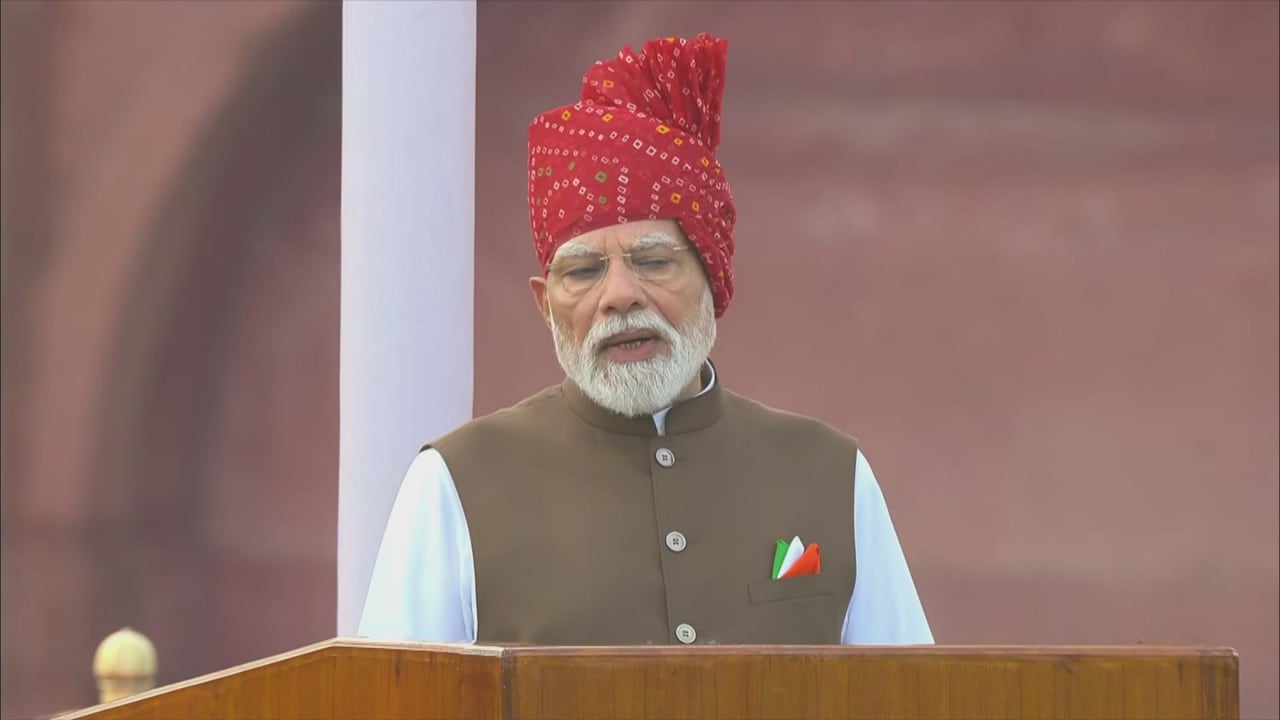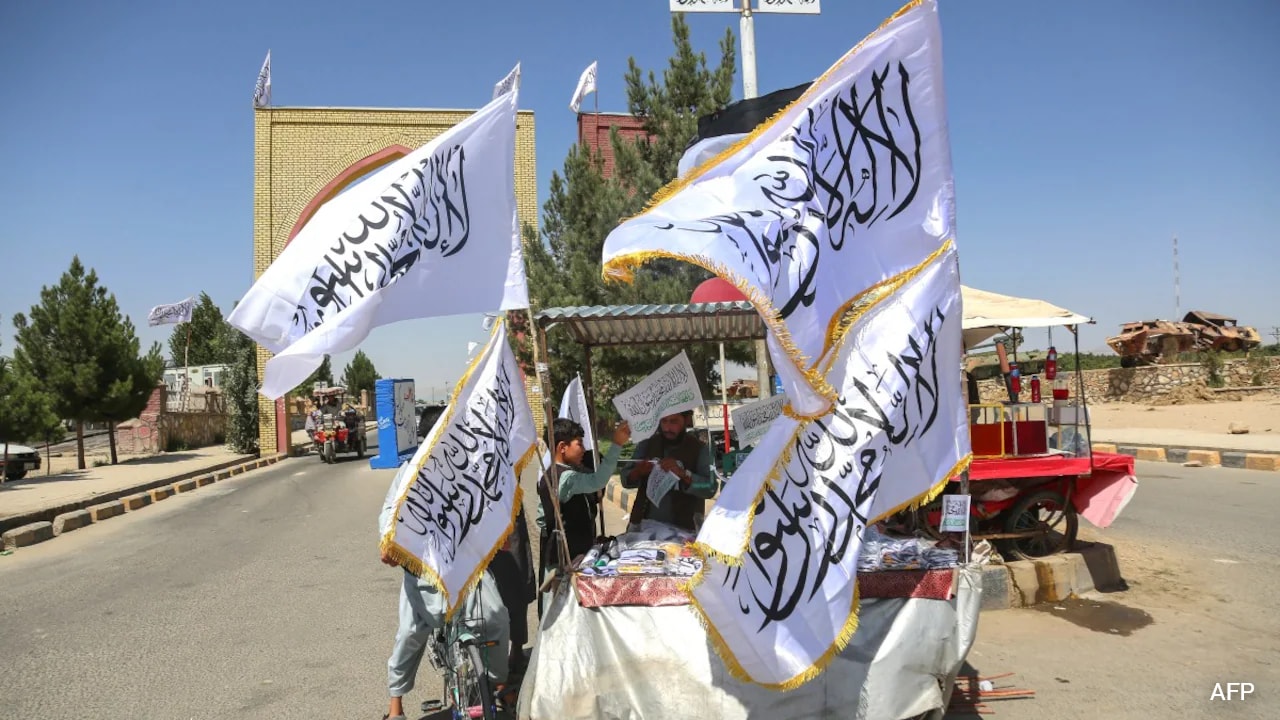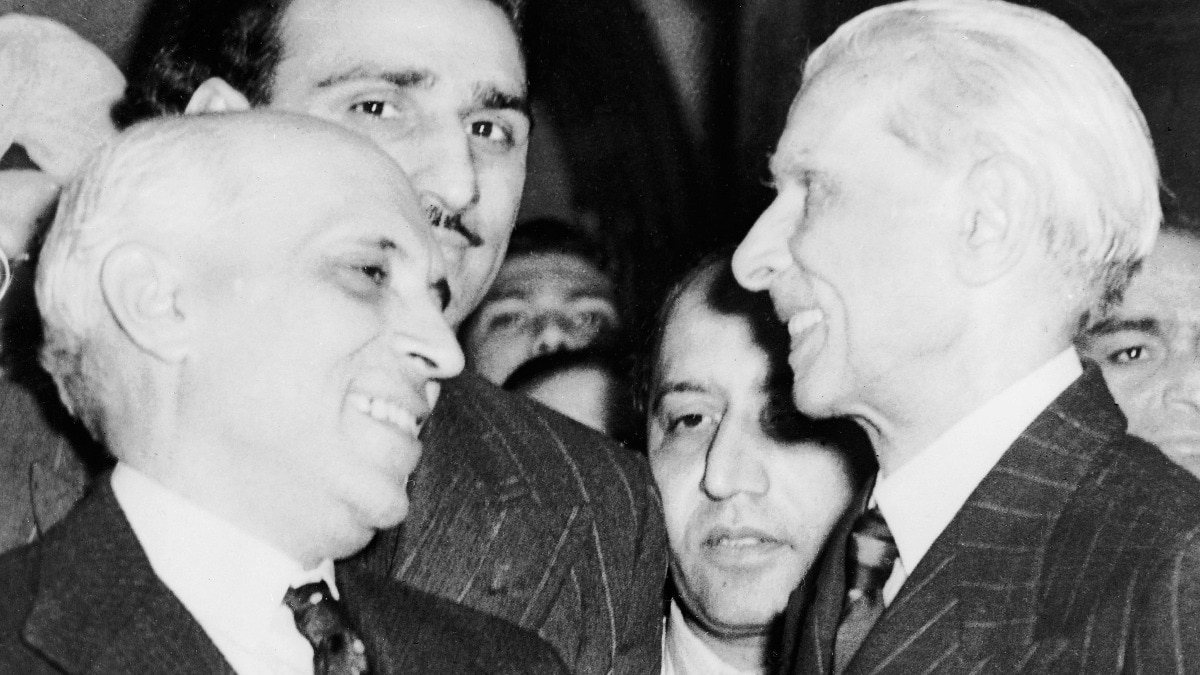
Since the 1947 partition, India and Pakistan have traveled radically different paths. While India embraced constitutional democracy, Pakistan fell into a cycle of military dominance and instability.
Key Takeaways
- India evolved from an ancient civilization into a modern democratic republic.
- Pakistan's foundation was built on religious nationalism and the 'Two-Nation Theory'.
- India maintained constitutional power transfers, whereas Pakistan faced recurring military coups.
- The 1971 war fundamentally altered Pakistan's geography and political landscape.
The midnight of August 15, 1947, when Jawaharlal Nehru delivered his iconic 'Tryst with Destiny' speech, marked more than just independence; it signaled the birth of two divergent ideologies. Despite sharing a common history, language, and culture, the developmental trajectories of India and Pakistan have been worlds apart.
Civilization vs. Ideological Creation
India stands as the successor to one of the world's oldest continuous civilizations, spanning from the Vedic era to the modern age. In contrast, Pakistan was conceived as a new nation-state based on the 'Two-Nation Theory' championed by Muhammad Ali Jinnah. This ideological foundation, which emphasized religious separation, continues to influence the political fabric and military dominance in Pakistan today.
Why This Matters
BozokMedia analysis shows that the divergence is not merely economic but deeply institutional. India prioritized the strengthening of civilian institutions, while Pakistan allowed its military to overshadow its political processes.
Democracy is not just about voting; it is about the sanctity of the Constitution, a principle India upheld and Pakistan struggled to maintain.
While India implemented its Constitution in 1950, granting universal suffrage to a massive, diverse population, Pakistan faced early institutional instability. The era of military rule began in earnest in 1958 under General Ayub Khan, setting a precedent for decades of civilian-military tension.
Historical Comparison
| Feature | India | Pakistan |
|---|---|---|
| Foundation | Constitutional Democracy | Military Hegemony |
| Identity | Secular Republic | Religious Nationalism |
| Power Transfer | Peaceful & Constitutional | Coups & Instability |
Frequently Asked Questions
1. What was the primary cause of the India-Pakistan partition?
The partition was driven by the 'Two-Nation Theory', which posited that Hindus and Muslims were two distinct nations.
2. What was the impact of the 1971 war?
The 1971 war led to the secession of East Pakistan, resulting in the creation of the independent nation of Bangladesh.