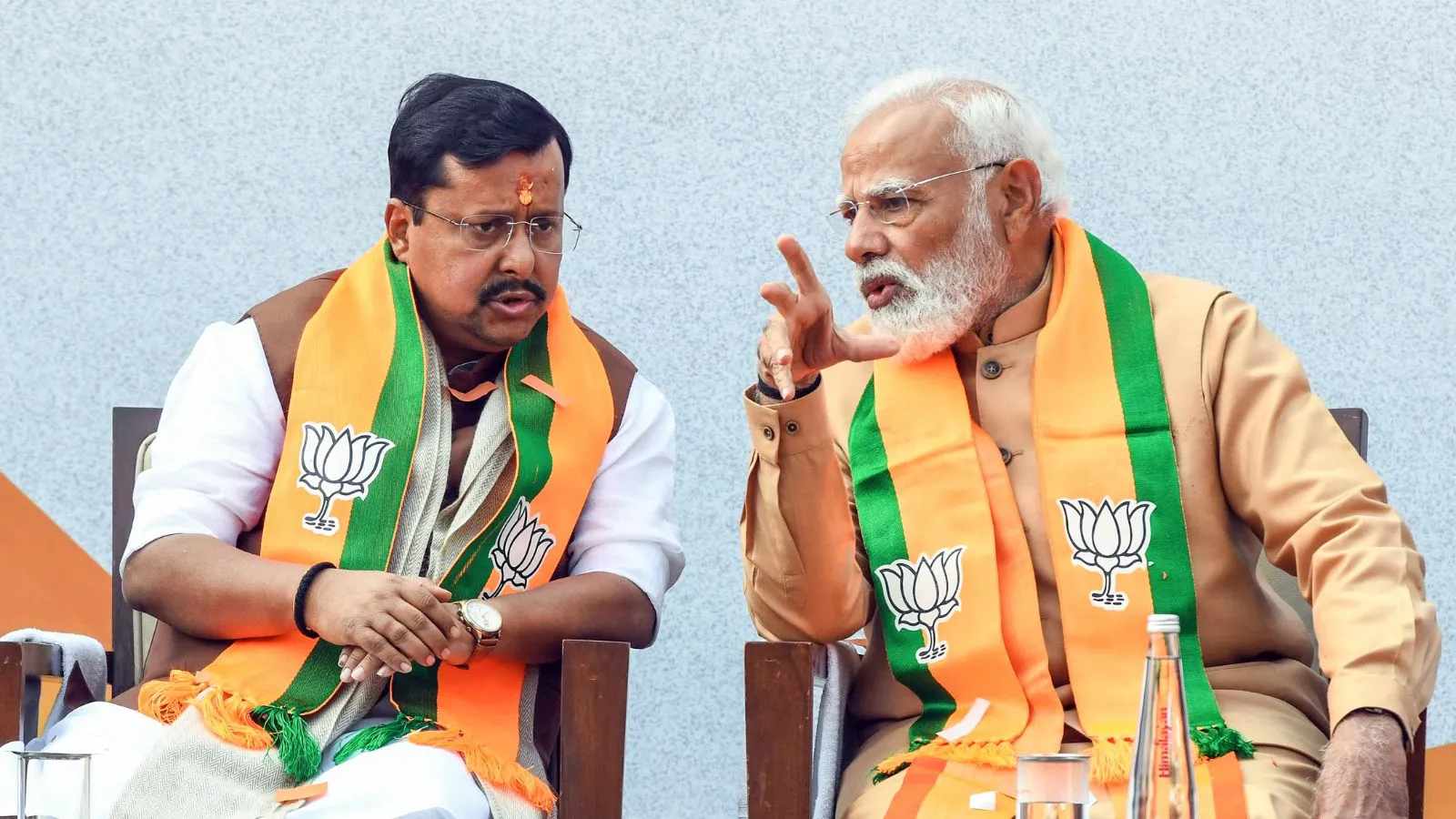
A sharp political divide has emerged following PM Modi's 'Dimagi Naxal' comment, with P. Chidambaram embracing the term while Kiren Rijiju defends the Prime Minister's intent.
- P. Chidambaram expressed pride in being called a 'dimagi Naxal' following PM Modi's remarks.
- Union Minister Kiren Rijiju clarified that the PM's comment was not directed at Opposition leaders.
- The term sparked a viral trend on Instagram, with a 'Dimagi Naxal Party' page gaining 1.6 lakh followers before being removed.
The Indian political landscape has witnessed a fresh wave of controversy following a remark by Prime Minister Narendra Modi regarding 'Dimagi Naxals' (Intellectual Naxals). The term, intended to describe those who ideologically support insurgency from the comfort of urban centers, has become a lightning rod for debate between the ruling BJP and the Opposition.
Former Finance Minister P. Chidambaram took a defiant stance, stating that he is proud to be labeled a 'dimagi Naxal' if it means challenging the current administration's policies through intellectual rigor. Chidambaram's reaction highlights the deep-seated ideological rift in the country, where the Opposition views such labels as an attempt to stifle dissent.
In response to the escalating tension, Union Minister Kiren Rijiju stepped in to provide a clarification. Rijiju asserted that the Prime Minister's comments were aimed at a specific mindset that facilitates instability and were not intended to target individual Opposition leaders or democratic critics. This defense seeks to neutralize the narrative that the government is labeling its political rivals as anti-national.
Why This Matters
BozokMedia analysis shows that the 'Dimagi Naxal' discourse is not merely a verbal spat but a reflection of the broader 'Urban Naxal' narrative that has dominated Indian security and political discourse for years. By framing intellectual dissent as a form of ideological insurgency, the state creates a complex boundary between legitimate criticism and national security threats.
The weaponization of terminology like 'Dimagi Naxal' transforms political disagreement into a security concern, potentially chilling academic and intellectual freedom.
The digital reaction to this controversy was instantaneous. An Instagram page titled 'Dimagi Naxal Party' emerged shortly after the PM's speech, attracting over 1.6 lakh followers within 24 hours. The rapid growth of this page underscores a latent youth frustration and a penchant for satirical rebellion against state rhetoric. However, the page disappeared shortly after its peak, suggesting strict moderation or platform intervention.
Historically, the term 'Naxalism' originated from the Naxalbari uprising in 1967, focusing on land redistribution and peasant rights. The evolution of the term into 'Urban Naxal' and now 'Dimagi Naxal' signifies a shift in how the state perceives the 'enemy'—moving from armed insurgents in the forests to intellectuals in the cities.
Frequently Asked Questions
Q1: What does 'Dimagi Naxal' mean in this context?
It refers to 'Intellectual Naxals'—individuals who may not engage in violence but are perceived to provide the ideological framework for insurgent movements.
Q2: How did the public react on social media?
The reaction was polarized; while some supported the government, thousands joined a satirical 'Dimagi Naxal Party' on Instagram to protest the labeling of intellectuals.