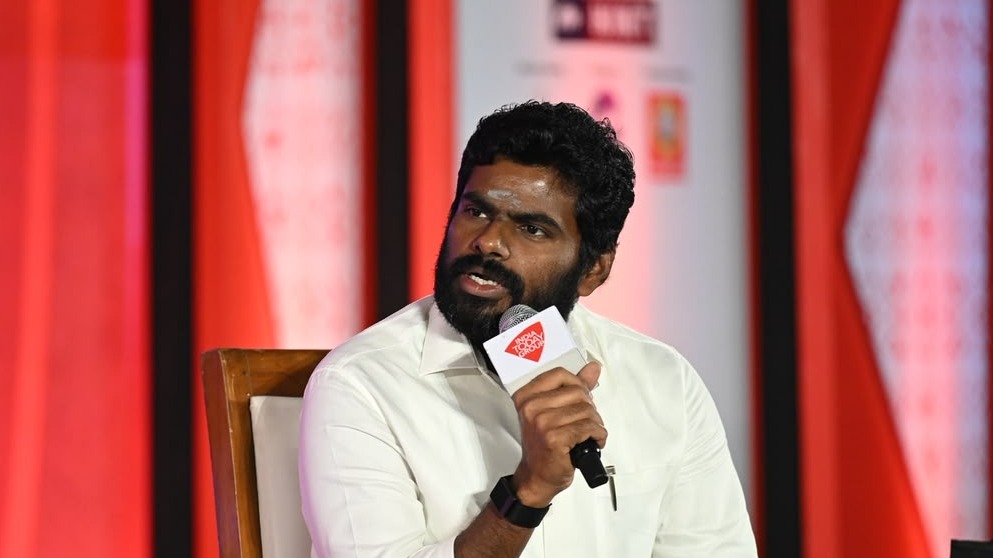
KPCC President B.K. Hariprasad has sparked a massive controversy by comparing the RSS to global terrorist outfits, citing a lack of legal registration in India. This escalates the ongoing clash between the Karnataka government and the Sangh over financial transparency.
- B.K. Hariprasad claimed no difference between RSS, Jaish-e-Mohammed, and the Taliban based on registration status.
- Karnataka Home Minister Priyank Kharge is demanding clarity on RSS assets and bank accounts.
- BJP's B.L. Santhosh argues that public trust, not statutory registration, defines the RSS.
In a provocative press conference in Bengaluru, B.K. Hariprasad, President of the Karnataka Pradesh Congress Committee (KPCC), drew a sharp parallel between the Rashtriya Swayamsevak Sangh (RSS) and international terrorist organizations such as Jaish-e-Mohammed and the Taliban. His assertion rested on the premise that all three entities operate without being legally registered in India.
The attack extended beyond legalities to patriotism. Hariprasad alleged that the RSS fails to adhere to national symbols, claiming that the organization neither sings Vande Mataram nor the national anthem, nor does it hoist the tricolor flag, thereby questioning their claim to nationalism.
Why This Matters
BozokMedia analysis shows that this rhetoric is part of a broader strategic effort by the Congress party to shift the narrative from governance to ideology. By framing the RSS as an 'unregistered' and therefore 'unaccountable' entity, the Congress is attempting to put the Sangh on the defensive regarding its massive land holdings and funding mechanisms across India.
"The intersection of national security narratives and administrative law is being used here as a political tool to challenge the legitimacy of a long-standing social organization."
This controversy is closely linked to the stance of Karnataka Home Minister Priyank Kharge. Kharge has posed five critical questions regarding the RSS's existence under Indian law, specifically questioning who owns its nationwide properties and in whose name the 'Gurudakshina' donations are received. Kharge emphasized that "History cannot be a substitute for legal transparency."
Responding to these salvos, BJP National General Secretary (Organisation) B.L. Santhosh maintained that the RSS has operated since 1925 without the need for statutory status. He argued that the organization's contributions during the Partition and other national crises serve as its certification, asserting that public trust outweighs bureaucratic paperwork.
| Stakeholder | Primary Argument | Core Demand/Claim |
|---|---|---|
| Congress (KPCC) | Lack of registration implies lack of accountability | Public disclosure of assets and audits |
| BJP/RSS | Historical service and public trust | Statutory registration is unnecessary |
Frequently Asked Questions
1. Why did B.K. Hariprasad compare the RSS to the Taliban?
He based the comparison on the fact that neither the RSS nor the mentioned terrorist groups are legally registered entities in India.
2. What are the specific demands made by Priyank Kharge?
Kharge has demanded to know the legal basis of RSS properties, the ownership of its bank accounts, and the availability of audited tax filings.