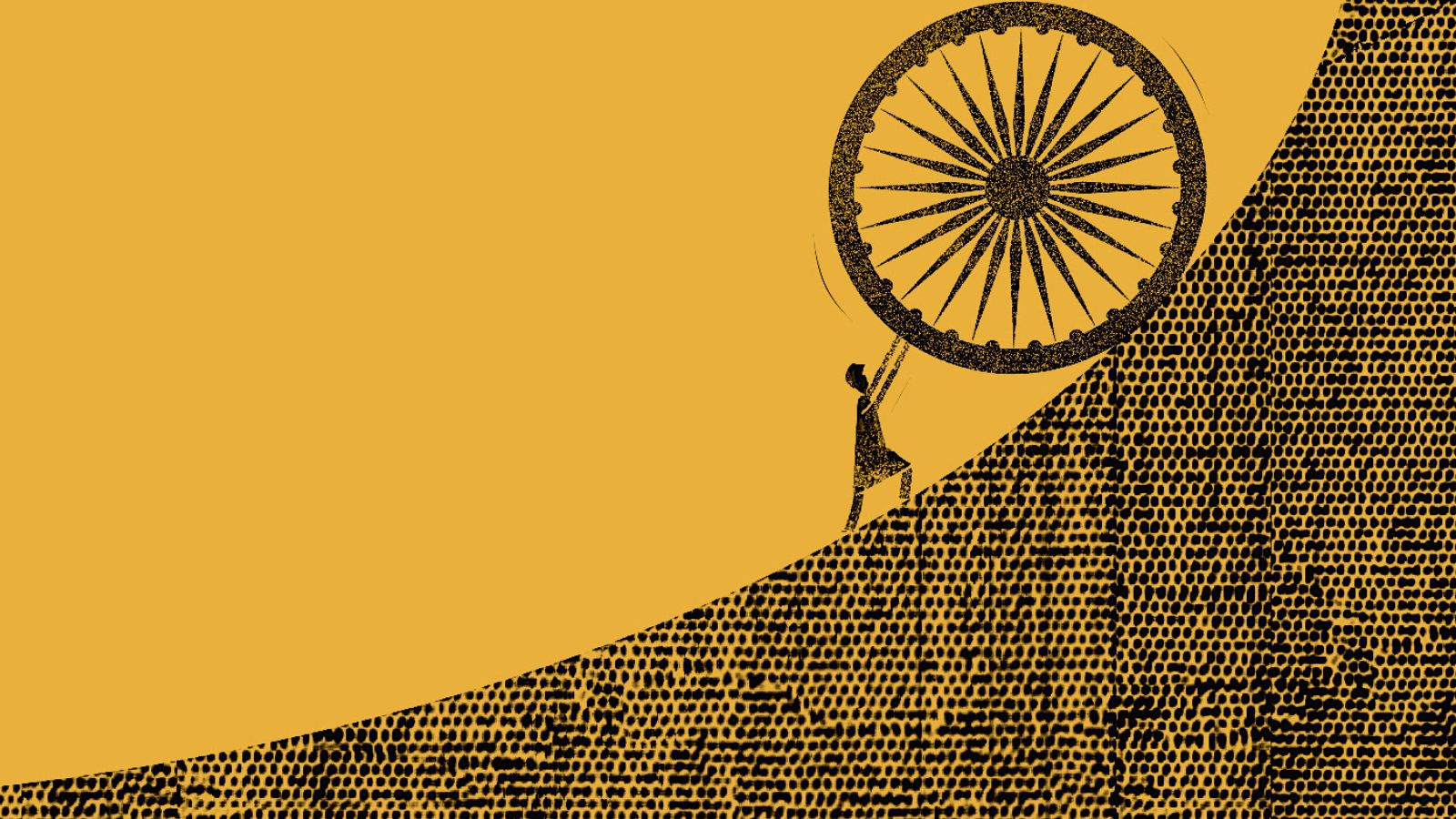
Former Punjab Finance Minister Manpreet Singh Badal reflects on the shift from a culture of contribution to a culture of entitlement, urging today's youth to rediscover the spirit of selfless nation-building.
- Freedom fighters prioritized national sovereignty over personal existence and comfort.
- There is a growing trend of treating the nation as a provider rather than a project to be built.
- True revolution today lies in skill mastery, personal discipline, and local community impact.
The annals of Indian history are written with the blood of young men like Kartar Singh Sarabha, who was just 19 when he was hanged, and Bhagat Singh, who was 23. These were not mere figures in a textbook; they were farmers' sons from the Majha, Doaba, and Malwa regions of Punjab. They operated on a conviction that some ideals were far more valuable than a human life.
Punjab's contribution to India's freedom was immense, from the horrors of Jallianwala Bagh to the Ghadar trials. Even after the trauma of the 1947 Partition, where families were torn apart and homes lost, that generation refused to succumb to bitterness. They rebuilt their lives in cities like Amritsar and Ludhiana, fueling the Green Revolution and guarding the borders without ever questioning what the state owed them.
Why This Matters
BozokMedia analysis shows a dangerous pivot in the social contract. We have transitioned from seeing India as something we collectively build to treating it as an entity that owes us a living. This shift toward entitlement—measured by government handouts rather than personal contribution—threatens the long-term resilience of the democratic fabric.
"The most potent revolution of the 21st century is the one waged against one's own limitations and mediocrity."
The author candidly admits that the current crisis is not solely the fault of Gen Z, but a failure of the preceding generation. The degradation of Punjab's soil, the falling water tables, and the 'brain drain' of its brightest minds are systemic failures. However, the same restlessness that drove the Ghadarites to California still exists within today's youth.
The call to action for the modern youth is to redefine 'revolution.' Instead of street grievances, the new revolution should be fought through mastery of skills, academic excellence, and fighting the plague of drug addiction. By employing one person, teaching one child, or saving water, a young person can contribute more to the nation than through mere protest.
Frequently Asked Questions
Question 1: What is the 'uncomfortable question' posed by the author?
Answer: The author asks why we have stopped treating India as something we build and started treating it as something that owes us.
Question 2: How can today's youth be 'revolutionaries' in a peaceful era?
Answer: By mastering skills that make the world come to them, improving their physical and mental health, and building local institutions instead of seeking opportunities elsewhere.