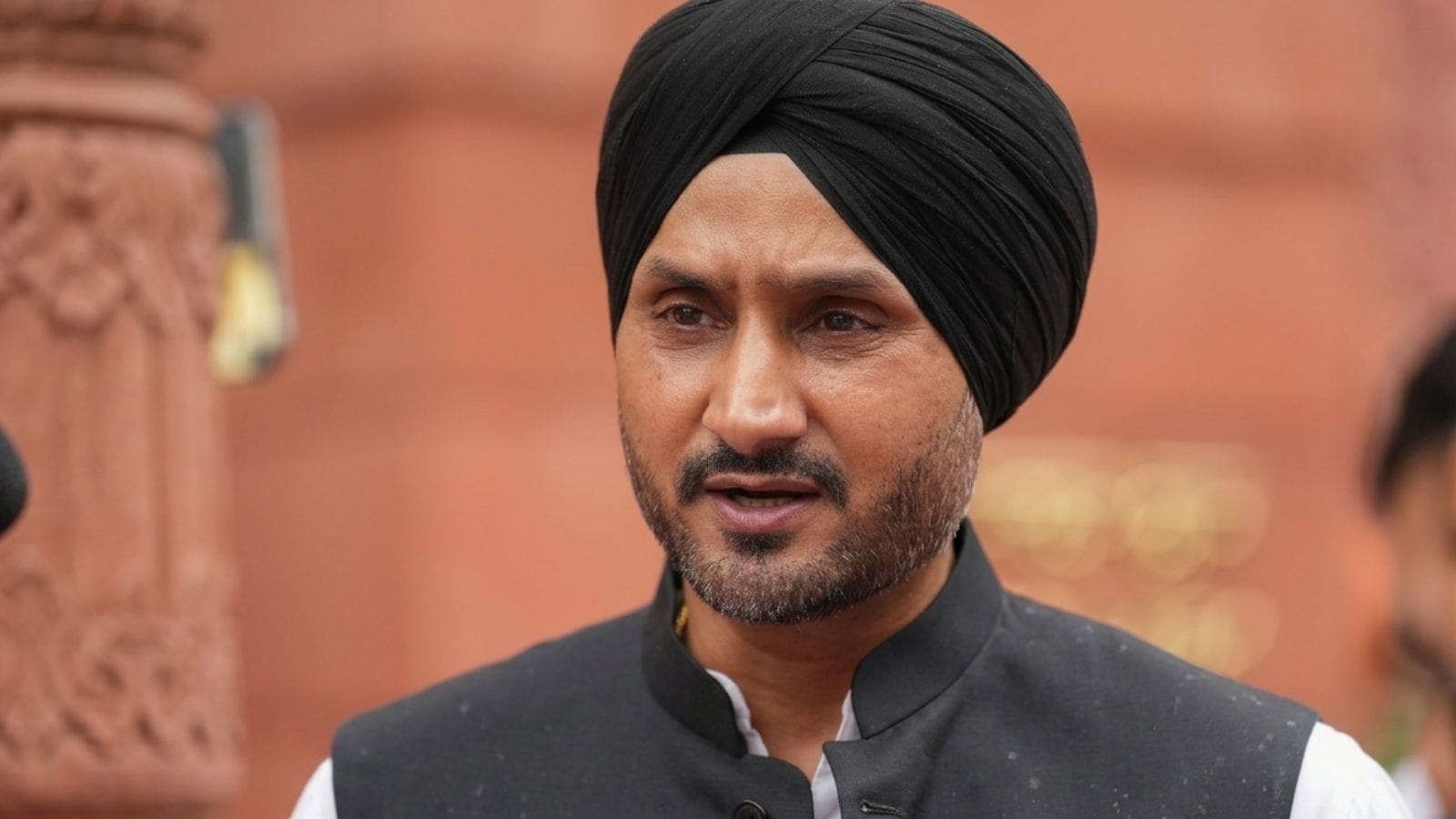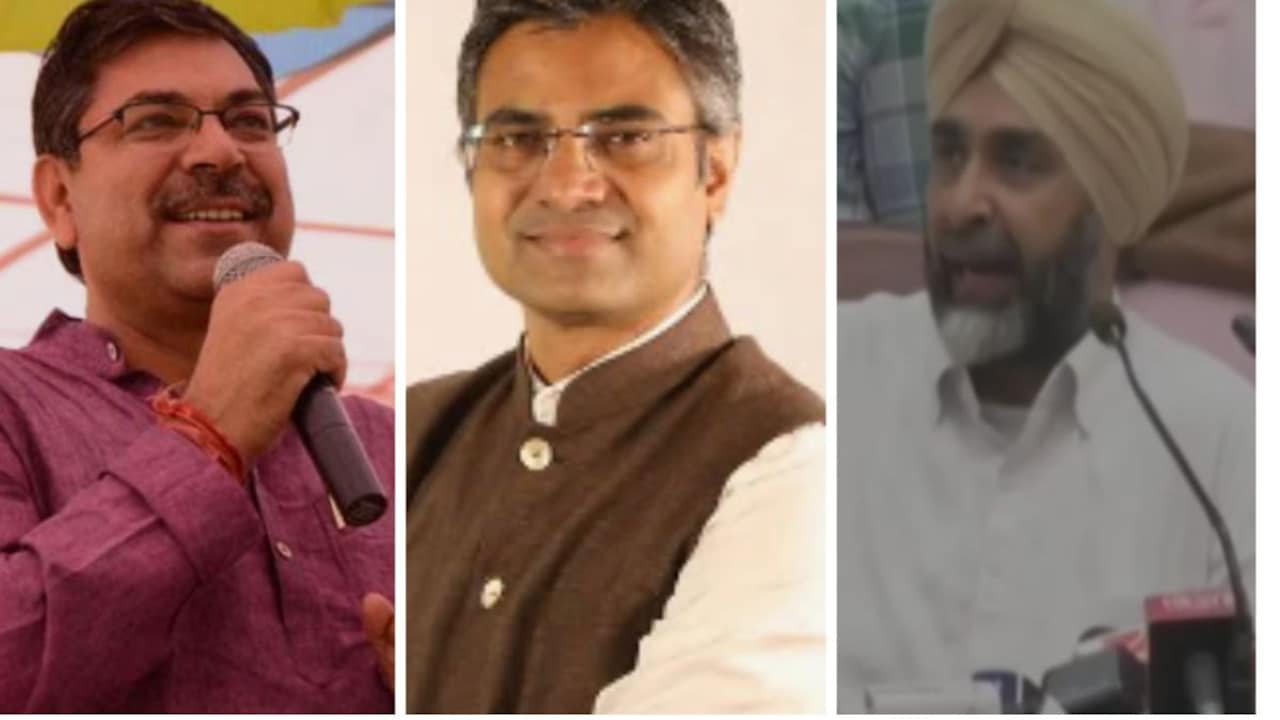
In a decisive move to counter the Aam Aadmi Party (AAP), the BJP is aligning three key leaders to reshape the political landscape of Punjab.
- Satish Poonia is tasked with rebuilding the party organization.
- Manpreet Badal faces the challenge of proving political relevance beyond his legacy.
- Pathak aims to leverage deep insights into AAP's tactics for electoral gains.
The political landscape of Punjab is witnessing a significant shift as the Bharatiya Janata Party (BJP) prepares a sophisticated strategic alliance to dismantle the stronghold of the Aam Aadmi Party (AAP). This new combination, colloquially referred to as the 'Three Musketeers,' aims to steer the BJP toward a more competitive position in the state.
At the core of this movement is Satish Poonia, who carries the heavy responsibility of organizational restructuring. For the BJP to succeed in Punjab, it must move beyond being a peripheral player and establish a robust, grassroots-level presence that can compete with established regional giants.
Simultaneously, Manpreet Badal finds himself at a political crossroads. His involvement is seen as a litmus test for his individual political prowess. He must demonstrate to the electorate that his influence is rooted in personal leadership and capability rather than merely relying on his prestigious political lineage.
Why This Matters
BozokMedia analysis shows that this strategic alignment is a calculated attempt to bridge the gap between national ideology and regional aspirations. If successful, this trio could disrupt the current bipolar political structure in Punjab.
The success of this alliance hinges on the ability to blend organizational discipline with local political nuances.
Adding a layer of tactical intelligence to this mix is Pathak. His profound understanding of the Aam Aadmi Party's operational mechanics and voter engagement strategies is expected to be a major asset. By converting this knowledge into actionable electoral intelligence, the BJP hopes to neutralize AAP's momentum.
Historical Background
Historically, Punjab's politics have been dominated by the interplay of regional identity, religious sentiments, and agrarian concerns. The recent rise of AAP has disrupted the traditional Congress-Akali Dal duopoly, creating a vacuum that the BJP is now aggressively attempting to fill through strategic partnerships.
Frequently Asked Questions
Question 1: What is the main objective of this alliance?
Answer: The primary goal is to build a formidable front to challenge AAP's dominance and strengthen BJP's footprint in Punjab.
Question 2: How critical is Satish Poonia's role?
Answer: His role is vital for building the organizational infrastructure required to fight large-scale elections.