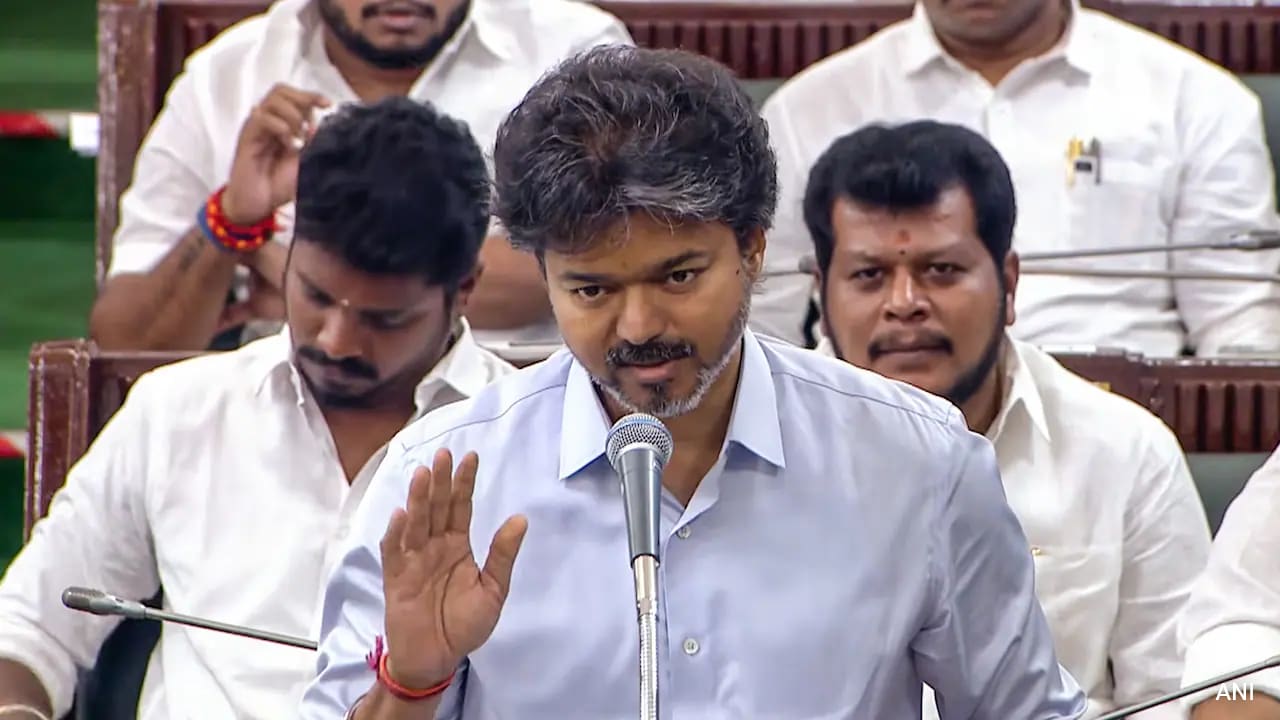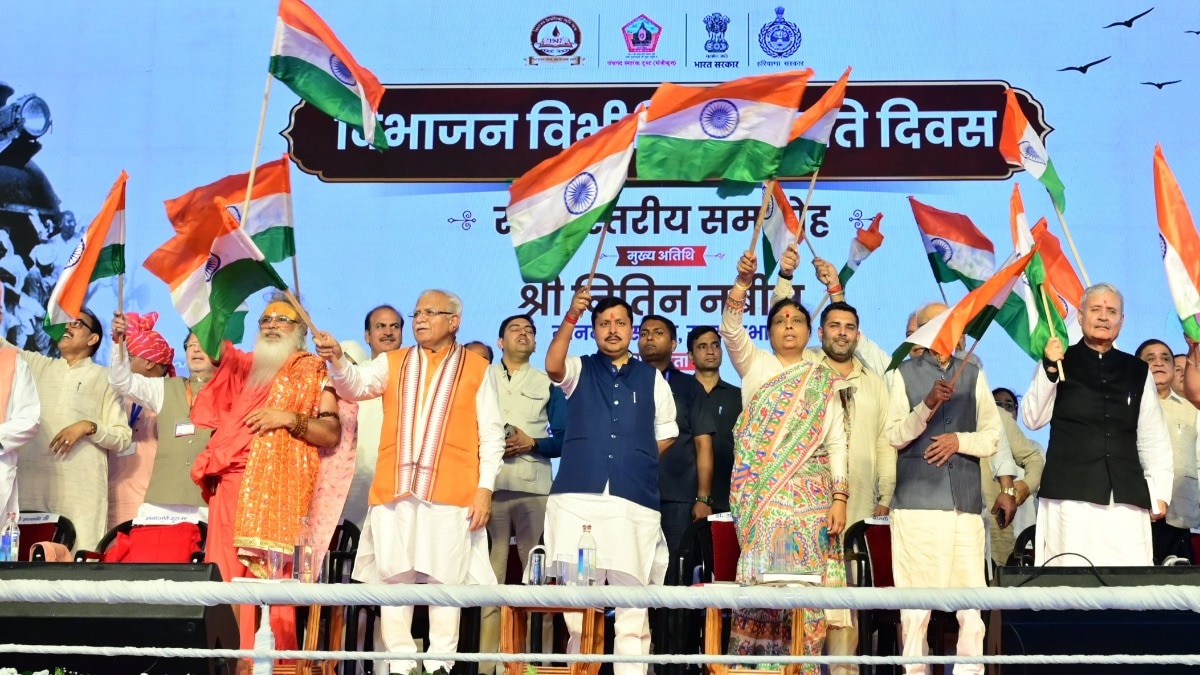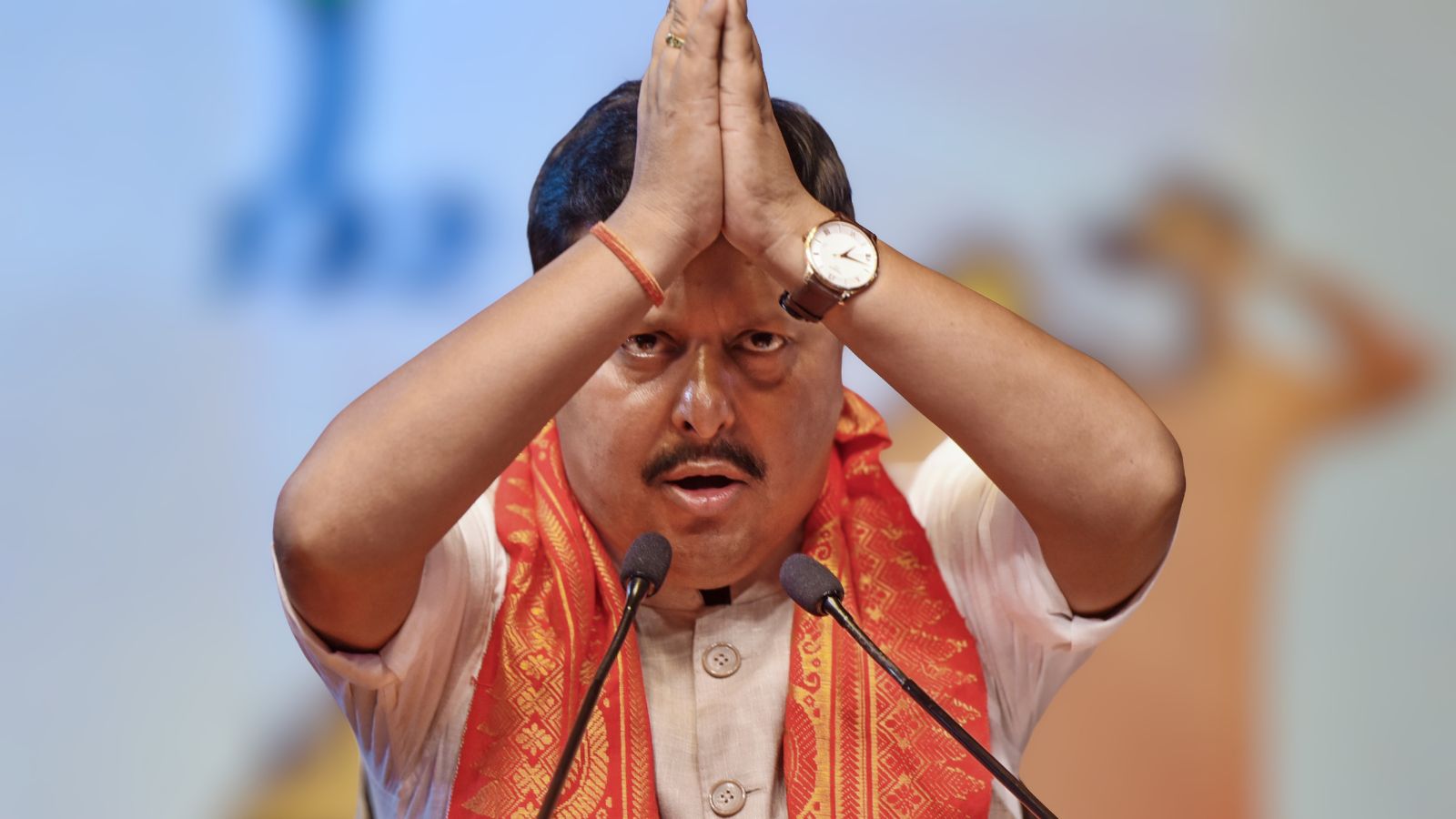
Ahead of the Uttar Pradesh Assembly polls, BJP National President Nitin Nabin has inducted eight key figures from UP into the central team, aiming to neutralize the Opposition's PDA pitch and strengthen the women's vote bank.
- 8 office-bearers from UP inducted into the BJP central team.
- Strategic inclusion of Smriti Irani and new Brahmin face Harish Dwivedi.
- Direct counter-strategy to Samajwadi Party's PDA (Pichchda, Dalit, Alpsankhyak) formula.
- Emphasis on diversifying leadership across caste and gender lines.
In a strategic move preceding the critical Uttar Pradesh Assembly elections, BJP National President Nitin Nabin has overhauled the party's organizational structure. By inducting eight office-bearers from the state—one more than the previous team—the party is signaling a shift toward a more inclusive and diverse leadership model.
The reshuffle sees the return of high-profile former Amethi MP Smriti Irani and the elevation of Assam party in-charge Harish Dwivedi as a general secretary. Meanwhile, the party has retained Rekha Verma and Tariq Mansoor as national vice-presidents, while appointing sitting MPs Bhola Singh (representing the Dalit community) and Sangeeta Yadav as national secretaries.
The Brahmin Strategy and UGC Fallout
The appointment of Harish Dwivedi is particularly significant as he replaces veteran leader Laxmikant Bajpai. This move comes amid reports of simmering discontent among upper-caste students over new UGC regulations. Following a defeat in Bihar's Bankipur bypoll, the BJP leadership believes that addressing upper-caste grievances is essential to prevent similar electoral setbacks in Uttar Pradesh.
Countering the PDA Narrative
To blunt the Samajwadi Party's PDA (Backward, Dalit, Minority) narrative, Nabin has appointed Rajya Sabha member Amarpal Maurya as the national president of the OBC morcha. This is a calculated effort to tighten the party's grip on the OBC vote bank, complementing existing alliances with parties like Apna Dal (Sonelal) and the RLD.
BozokMedia analysis shows that the BJP is moving away from a monolithic electoral strategy toward a more fragmented, targeted approach. By appointing Kunwar Basit Ali (a Muslim Rajput) as the national president of the minority morcha, the party is attempting to bridge the gap with a community alienated by the 'bulldozer' administration, hoping to create a positive outreach program.
"The BJP is essentially attempting to 'out-PDA' the Opposition by creating its own inclusive coalition of marginalized groups while keeping the core upper-caste base intact."
The inclusion of women leaders like Rekha Verma and Sangeeta Yadav further underscores the party's intent to mobilize the female electorate, recognizing that women have emerged as a decisive voting bloc in recent Indian elections.
| Category | Key Appointment | Strategic Objective |
|---|---|---|
| Upper Caste/Brahmin | Harish Dwivedi | Mitigate Upper-Caste Discontent |
| OBC/Backward | Amarpal Maurya | Counter SP's PDA Pitch |
| Minority | Kunwar Basit Ali | Rebuild Trust in Muslim Community |
| Women Leadership | Smriti Irani/Rekha Verma | Consolidate Female Voter Base |
Frequently Asked Questions
Q1: Why was Harish Dwivedi appointed to the national team?
A: He was brought in to manage potential anger among the Brahmin community and upper castes following the UGC regulation controversies.
Q2: What is the significance of Kunwar Basit Ali's role?
A: As a Muslim Rajput, his appointment is intended to send a positive signal to the Muslim community and reduce the impact of the 'bulldozer' narrative.