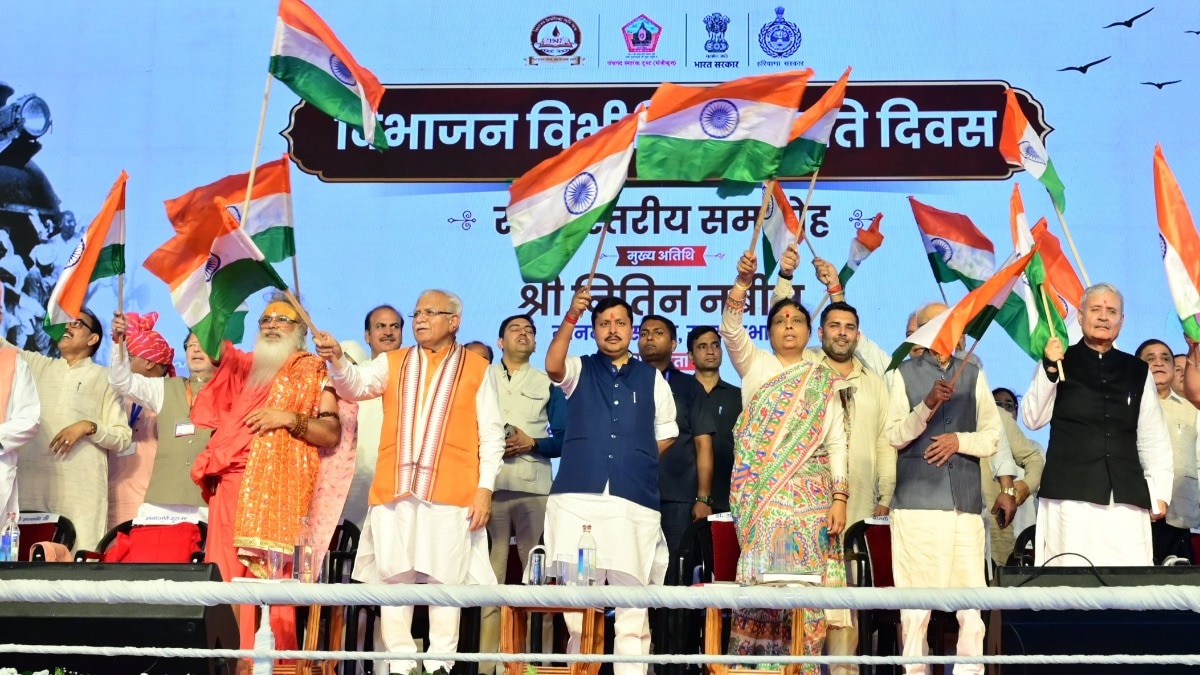
A high-profile Partition Day event in Gurugram has inadvertently revealed deep-seated factionalism and leadership struggles within the BJP's Haryana unit, raising concerns over organizational stability.
- Visible tension between BJP factions during the Gurugram Partition Day event.
- Significant lack of coordination between local leadership and central directives.
- Personal ambitions and caste dynamics are overriding party unity in Haryana.
The Partition Day event recently held in Gurugram, intended to be a solemn commemoration of historical tragedy and a show of party strength, instead became a mirror reflecting the internal fractures within the Bharatiya Janata Party (BJP) in Haryana. The event exposed deep 'fault lines' that have been simmering beneath the surface of the party's organizational structure.
Reports from the ground indicate that the event was marred by protocol lapses, disputes over stage presence, and a blatant disregard for senior leadership by emerging factions. These frictions suggest that the struggle for dominance within the state unit has reached a tipping point, where internal rivalry is now outweighing collective party goals.
Why This Matters
BozokMedia analysis shows that this is not merely a failure of event management but a symptom of a structural crisis. When a party commemorates the pain of partition while suffering from its own internal divisions, it sends a contradictory message to the grassroots workers and provides a strategic opening for political opponents to exploit these weaknesses.
"Organizational discipline is the backbone of any political entity; once it is compromised by personal egos, the electoral foundation begins to shake."
Historical Background
Haryana's political landscape has historically been dictated by complex caste dynamics, particularly the tension between Jat and non-Jat communities. While the BJP has successfully managed this balance in recent cycles, recent leadership shuffles and internal disputes over candidacy have reopened old wounds. Gurugram, as the state's corporate and economic hub, is a critical demographic; instability here could alienate the urban middle-class voter base.
Frequently Asked Questions
Q1: What was the primary cause of the tension at the Gurugram event?
A: The tension stemmed from a clash of egos, disregard for seniority, and a lack of coordination between competing power centers within the party.
Q2: How could this impact the BJP's future in Haryana?
A: If not addressed, this internal strife could lead to worker disillusionment and a fragmented campaign strategy in future electoral battles.