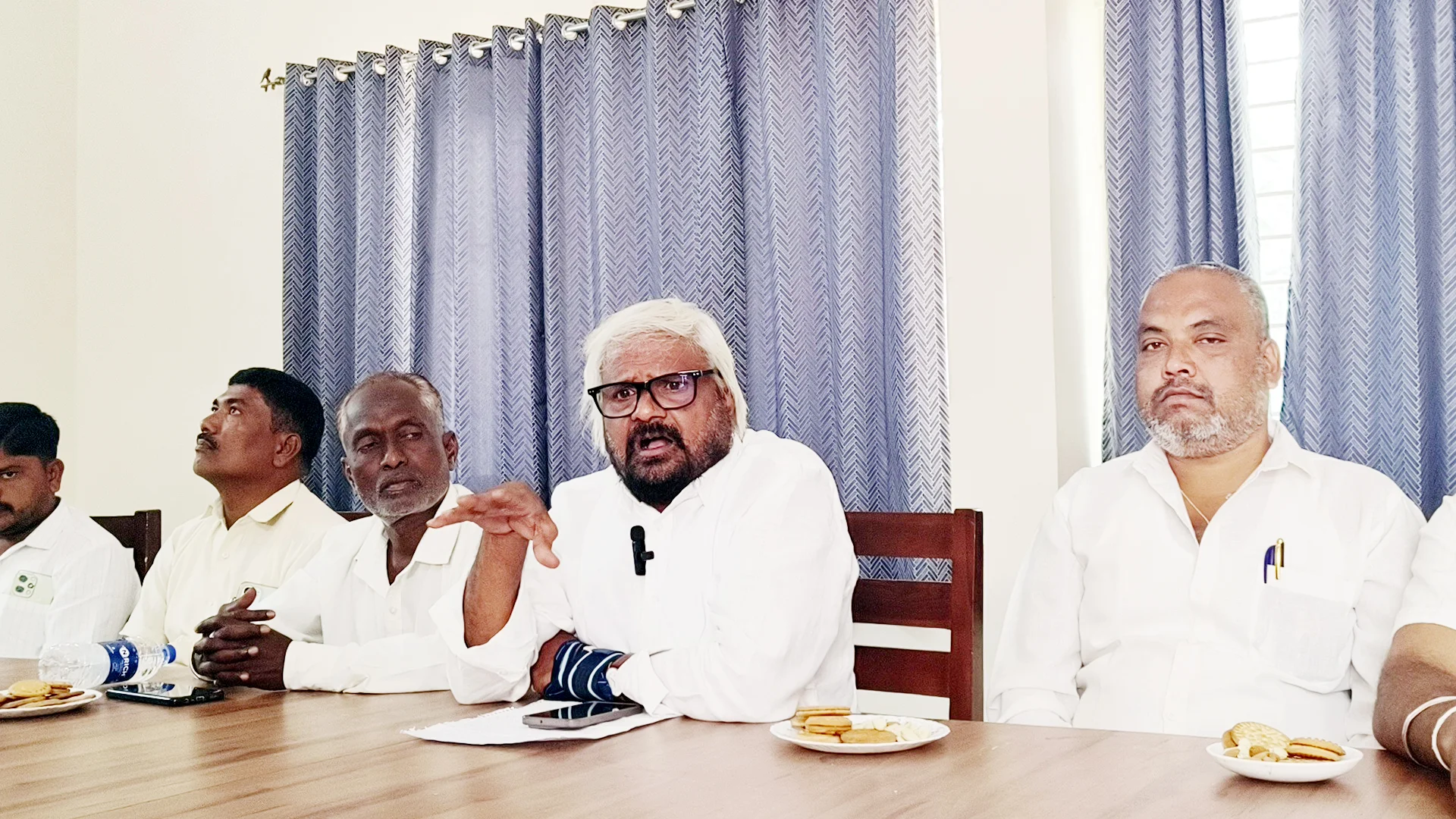
A intense debate has erupted between Saurav Das and Prem Shukla following Prime Minister's controversial 'Mental Naxal' remark. This confrontation highlights the growing tension between political rhetoric and freedom of speech.
- The Prime Minister's 'Mental Naxal' remark has become the epicenter of a legal debate.
- A direct confrontation has emerged between Saurav Das and Prem Shukla.
- The dispute raises critical questions regarding political terminology and democratic dissent.
The Indian political landscape is witnessing a significant confrontation following the Prime Minister's recent use of the term 'Mental Naxal'. This remark has ignited a fierce debate between Saurav Das and Prem Shukla, setting the stage for a larger discussion on the boundaries of political discourse and the implications of labeling dissenters.
At the heart of the controversy is the Prime Minister's characterization of certain ideological viewpoints as 'Mental Naxals.' Saurav Das has criticized this rhetoric, arguing that such labels serve to marginalize legitimate political opposition and stigmatize dissenting voices under the guise of national security. Conversely, Prem Shukla has defended the remark, viewing it as a necessary critique of ideologies that he believes undermine national unity.
Why This Matters
BozokMedia analysis shows that this confrontation is more than a personal spat; it represents a shift in how political identity is constructed in India. By attaching the term 'Naxal' to 'mental' states, the discourse moves from discussing physical insurgencies to policing ideological thoughts, which has profound implications for civil liberties.
The use of highly charged political metaphors can redefine the legal landscape of free speech and political dissent.
Historically, 'Naxalism' in India has been associated with armed insurgency and internal security threats. The evolution of this term into a psychological or ideological descriptor marks a significant departure from traditional political language. This shift forces a re-examination of how the state and its leaders address ideological opposition.
The legal implications of this clash could be extensive. If the dispute reaches the judiciary, it may compel the courts to clarify the extent to which political leaders can use polarizing language to describe their opponents without infringing upon the constitutional rights of citizens to express diverse views.
Frequently Asked Questions
1. What does the term 'Mental Naxal' imply in this context?
It is a metaphorical label used by the PM to describe individuals whose ideological stance is perceived as subversive to the national interest.
2. What is the core of the dispute between Das and Shukla?
The dispute centers on whether such political labeling is a valid form of expression or an attempt to suppress democratic dissent.