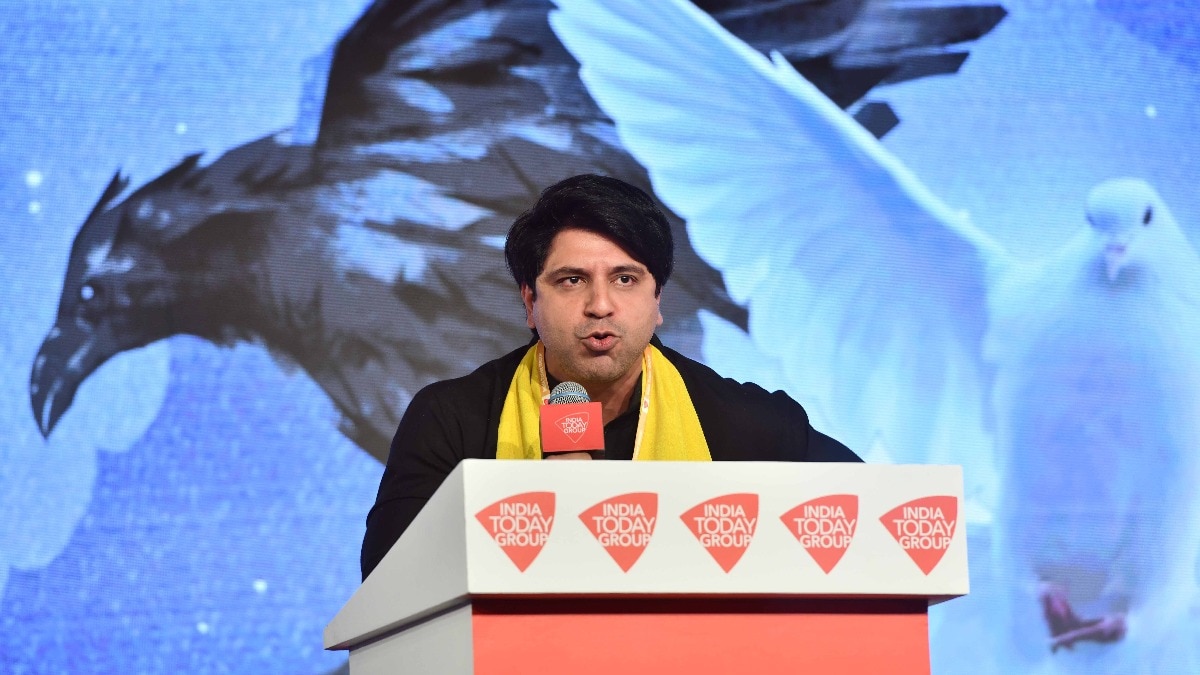
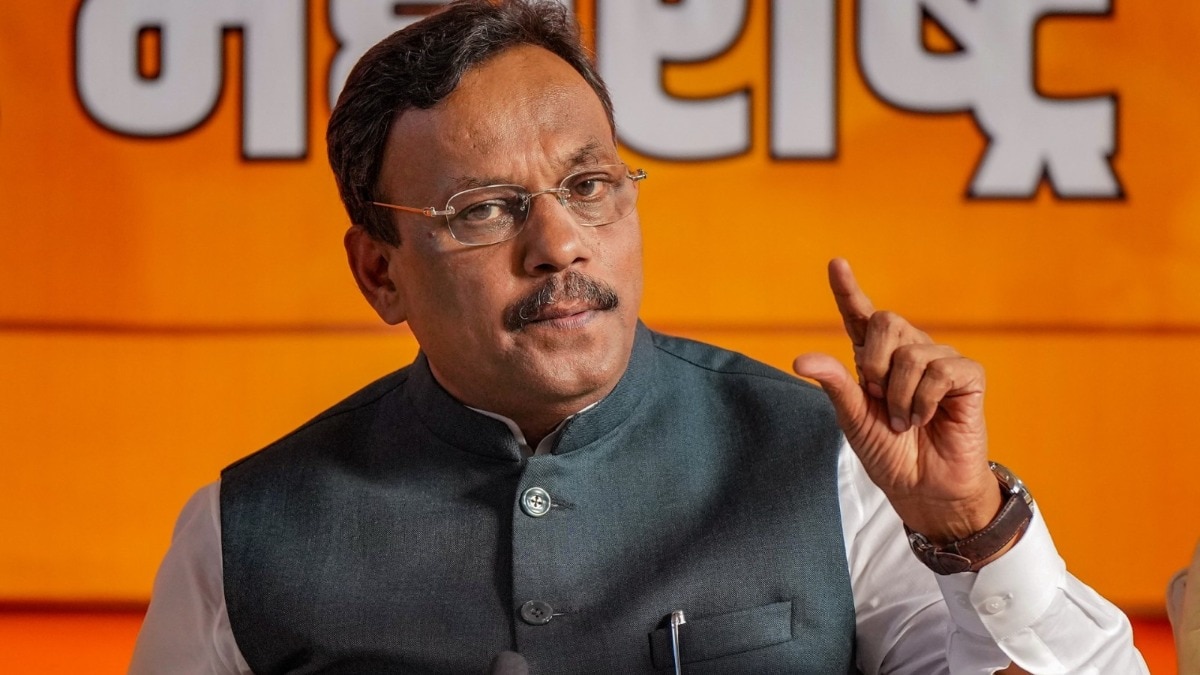
In a significant move to maintain parliamentary decorum, Tamil Nadu Assembly Speaker J.C.D. Prabhakar has expunged derogatory remarks made by Law Minister R. Nirmalkumar against the late DMK patriarch K. Karunanidhi.
- Speaker J.C.D. Prabhakar expunged remarks made by Law Minister R. Nirmalkumar against K. Karunanidhi.
- The incident occurred during a special calling-attention motion regarding the killing of three Tamils in Karnataka.
- The Speaker reinforced strict adherence to Rule 55 of the Assembly Rules regarding speaking rights.
The Tamil Nadu Legislative Assembly witnessed a moment of high tension on Tuesday, August 18, 2026, when Speaker J.C.D. Prabhakar intervened to maintain the sanctity of the House. The Speaker officially expunged remarks made by Law Minister R. Nirmalkumar directed at the late former Chief Minister and DMK stalwart K. Karunanidhi. The intervention came after the Minister deviated from the primary agenda of the session to make personal references.
The controversy unfolded during a special calling-attention motion focused on a grave regional issue: the killing of three Tamil individuals in the forests of Karnataka. While replying to the motion, Minister Nirmalkumar integrated remarks about Karunanidhi that the Speaker deemed irrelevant and inappropriate for the occasion. Speaker Prabhakar stated clearly that he would not permit any speech or reference that lacked a direct connection to the specific issue under discussion.
Why This Matters
BozokMedia analysis shows that this incident highlights the enduring political polarization in Tamil Nadu, where the legacy of K. Karunanidhi remains a flashpoint for political discourse. By expunging these remarks, the Speaker is not only protecting the dignity of a former leader but also attempting to curb the trend of personal attacks during legislative proceedings, ensuring that critical issues—like the safety of Tamils in neighboring states—remain the central focus.
"The Speaker's decision to strike out irrelevant personal remarks is a necessary step in preserving the institutional integrity of the Legislative Assembly against partisan rhetoric."
Beyond the immediate conflict, Speaker Prabhakar used the opportunity to reiterate the procedural discipline required under the Assembly Rules. He specifically highlighted Rule 55, making it unequivocally clear that when a special calling-attention motion is moved, only the member who gave the original notice is permitted to speak, thereby preventing chaotic interruptions and unstructured debates.
Furthermore, the Speaker addressed the conduct of members regarding the role of the party whip. He advised members to remain seated when their party's whip stands to address the House or the Speaker, emphasizing that the position of the whip is designed to ensure cordiality and smooth communication between the presiding officer and the members.
Historically, the Tamil Nadu Assembly has often been a theater for intense ideological battles between the DMK and its rivals. The legacy of the Dravidian movement, spearheaded by leaders like Karunanidhi, continues to be the cornerstone of state politics, making any derogatory reference to such figures a matter of significant political volatility.
Frequently Asked Questions
Q1: Why did the Speaker expunge the Law Minister's remarks?
The Speaker determined that the remarks against late leader K. Karunanidhi were irrelevant to the specific discussion regarding the deaths of Tamils in Karnataka.
Q2: What is the significance of Rule 55 in this context?
Rule 55 limits the speaking rights during a special calling-attention motion to the member who provided the notice, ensuring the discussion remains focused.