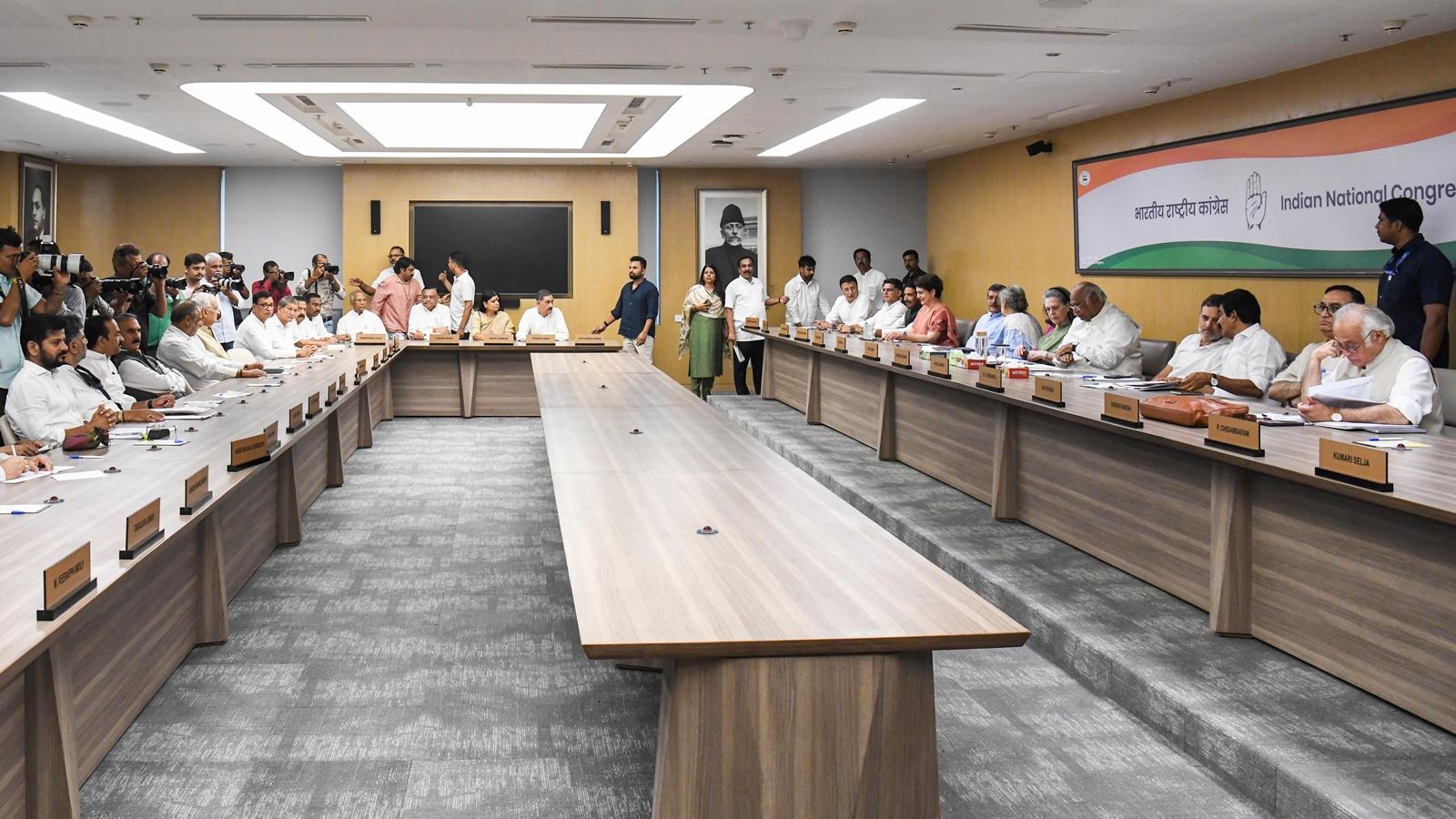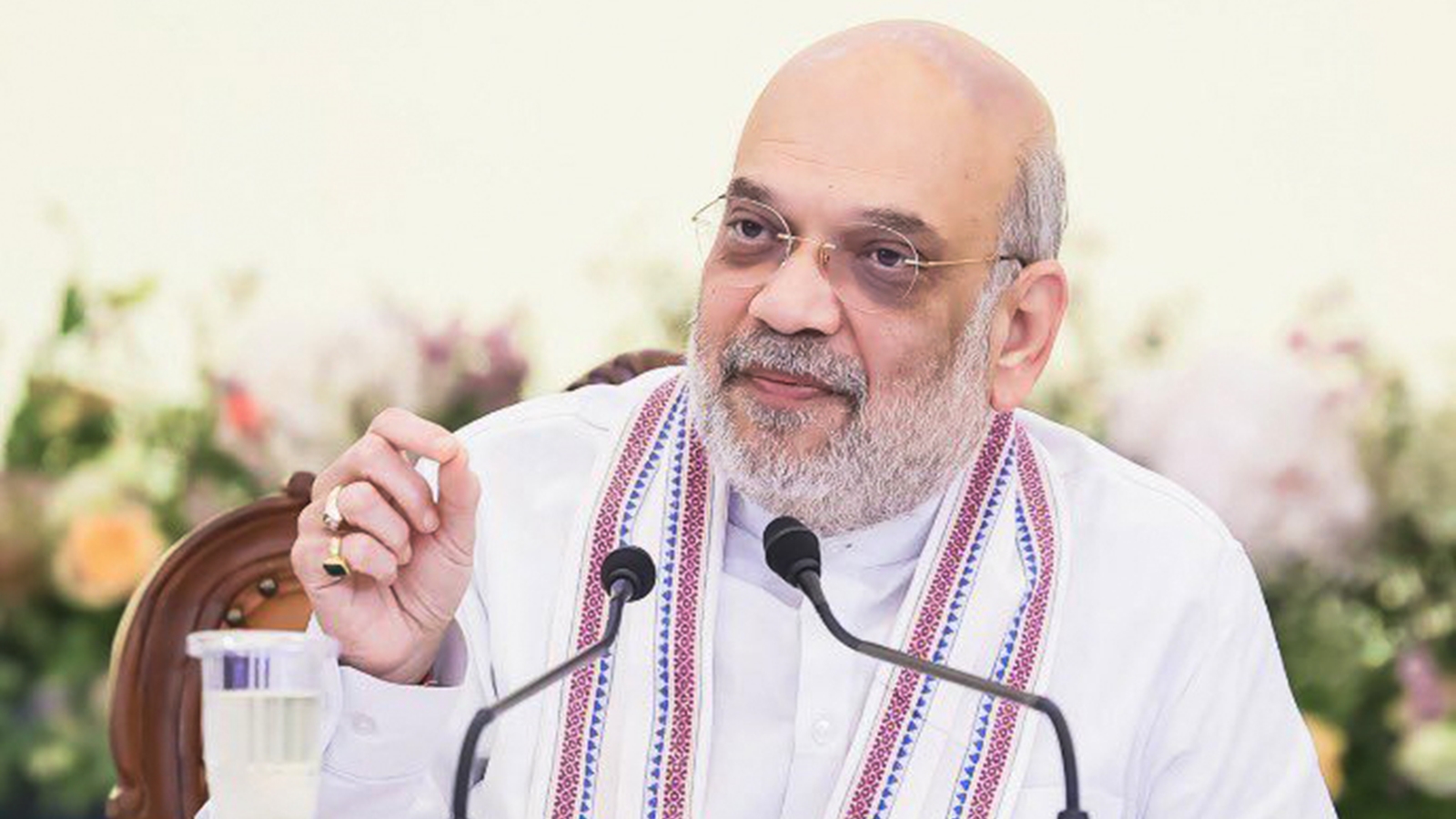
During the 31st Southern Zonal Council meeting, Union Home Minister Amit Shah lauded the southern states for their pivotal role in India's growth, citing literacy and technical expertise as key drivers.
- Amit Shah termed South India the 'biggest contributor' to the nation's development.
- Success is attributed to high literacy, trained manpower, and maritime technical expertise.
- Chief Ministers raised concerns over Lok Sabha seat delimitation and water rights.
- Proposal to link major rivers to ensure water security for the next century.
At the 31st meeting of the Southern Zonal Council (SZC) held in Mahabalipuram, Tamil Nadu, Union Home Minister Amit Shah delivered a powerful tribute to the southern states. He emphasized that the prosperity of the entire nation is deeply intertwined with the progress of the South, describing the region as the primary engine of India's developmental journey.
The Three Pillars of Southern Success
Analyzing the rapid advancement of the southern region, Shah identified three fundamental pillars: high literacy rates, a highly trained manpower pool, and technical expertise in deep-sea utilization. He noted that these elements have allowed the southern states to lead in critical sectors including Space, IT, Artificial Intelligence (AI), R&D, and industrial manufacturing.
BozokMedia analysis shows that the economic divergence between northern and southern states remains a critical focal point for future federal policy.
Water Security and Inter-State Cooperation
A significant portion of the summit was dedicated to the issue of water management. Shah highlighted that water is the 'soul' of the region, vital for agriculture, industry, and public health. To mitigate future scarcity, he advocated for the interlinking of major rivers—ranging from the Brahmaputra to the Kaveri and Godavari—suggesting this could secure India's water needs for the next 100 years. He urged states to move away from zero-sum water disputes toward constructive, mutual dialogue.
Political Friction and Federal Demands
The meeting was not without tension, as southern leaders voiced strategic concerns. Karnataka CM DK Shivakumar and Tamil Nadu CM C Joseph Vijay raised the critical issue of delimitation, arguing that the success of southern states in population control should not lead to a loss of political representation in the Lok Sabha. Meanwhile, Andhra Pradesh CM N Chandrababu Naidu projected a massive economic leap, stating the southern economy could hit the $10 trillion mark by 2047.
Other leaders, including Kerala CM VD Satheesan, pushed for more equitable funding in centrally sponsored schemes, while Telangana representatives sought fair entitlements regarding Krishna river waters through established legal mechanisms.
Why This Matters
The discourse at the Southern Zonal Council underscores the growing importance of 'Cooperative Federalism.' As India aims for global economic dominance, the synergy between the central government's vision and the southern states' technical and economic prowess will be the deciding factor in achieving the 2047 development goals.
Frequently Asked Questions
1. What are the three pillars of South India's development according to Amit Shah?
High literacy, trained manpower, and technical expertise in deep-sea utilization.
2. What is the main concern regarding Lok Sabha seat reallocation?
Southern states fear that their success in population control will result in reduced political representation due to delimitation.