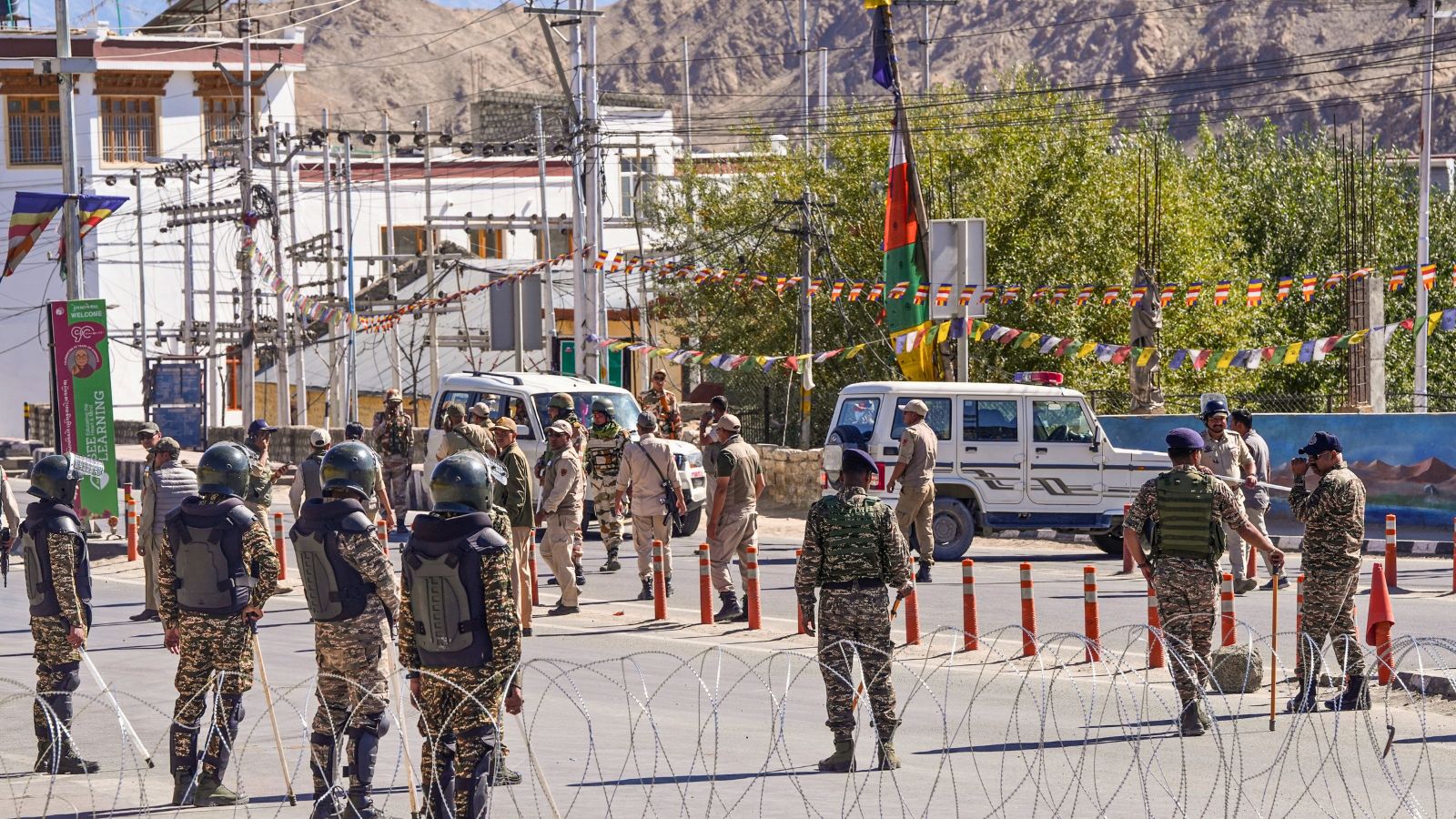
In a significant move, the Ladakh administration has announced the withdrawal of cases against 25 people booked during the violent protests in Leh last year. The decision follows high-level talks between local bodies and the Ministry of Home Affairs.
- Cases against 25 individuals involved in the Sept 24 violence will be withdrawn.
- The decision follows a meeting between KDA, LAB, and MHA officials.
- The administration is exploring a new legislative model under Article 371.
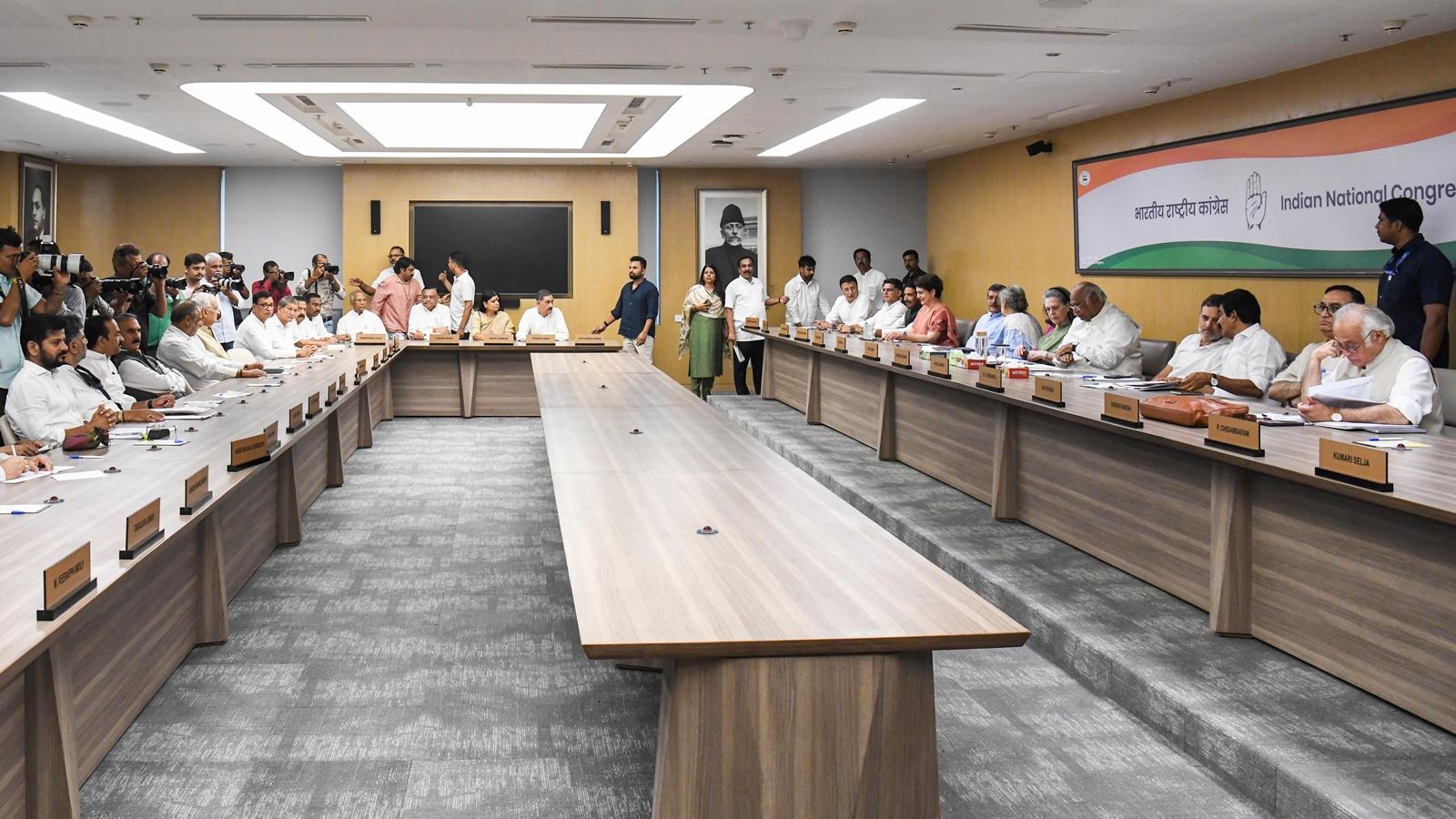
The Ladakh administration announced on Thursday that it will file closure reports against several individuals booked following the violent unrest in Leh on September 24 last year. This major development comes immediately after representatives of the Kargil Democratic Alliance (KDA) and the Leh Apex Body (LAB) held a crucial meeting with officials from the Ministry of Home Affairs (MHA) in Leh.
Historical Context: The September Unrest
The violence of last year was triggered by intense protests demanding statehood for Ladakh and the implementation of the Sixth Schedule protections to safeguard the region's tribal identity. The protests turned tragic when police opened fire, resulting in four deaths and at least 50 injuries. The incident saw the involvement of prominent climate activist Sonam Wangchuk, who had been on a prolonged hunger strike and was subsequently detained under the National Security Act.
Details of the Legal Decision
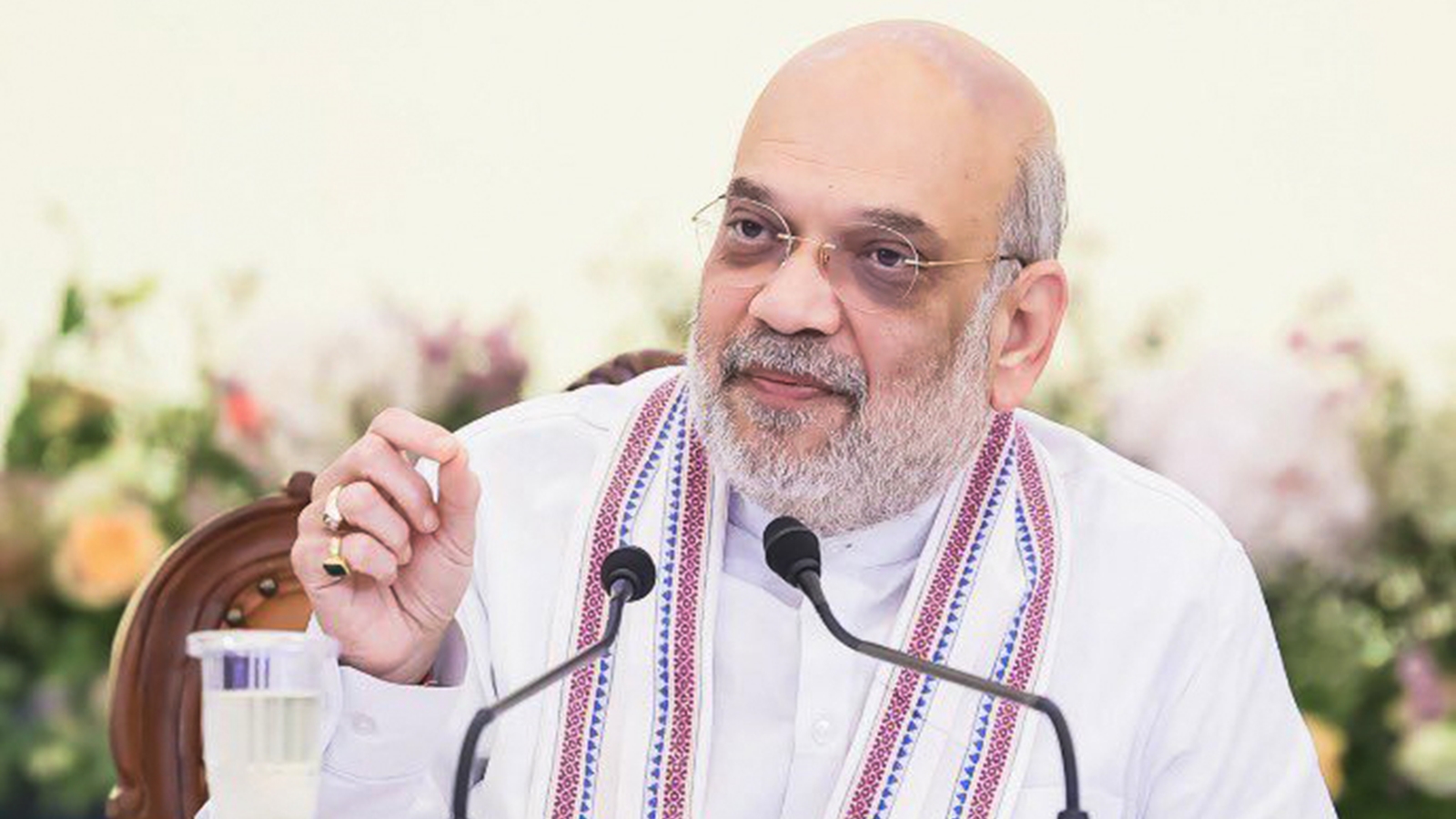
Ladakh Chief Secretary Ashish Kundra stated that out of the 87 people booked during the incident, approximately nine have been chargesheeted due to sufficient evidence of involvement. However, following consultations with the Lieutenant-Governor, it was decided that cases against 25 others would be withdrawn. Kundra described the original violence as a "blot on the pages of India's history" and has directed the DGP to review all pending investigations to ensure no innocent person is penalized.
Why This Matters
BozokMedia analysis shows that this decision is a strategic attempt to de-escalate tensions in the sensitive border region. By addressing the legal grievances of the protesters, the central government aims to bridge the trust deficit between the local population and the administration while navigating complex demands for autonomy.
The withdrawal of these cases serves as a vital pressure valve for the mounting socio-political tensions in the Ladakh UT.
A New Governance Model for Ladakh
Beyond the legal relief, the administration is working toward a long-term structural solution. Discussions are underway to establish a UT-level legislative body under specific provisions of Article 371. The MHA and the Law Ministry are currently drafting a framework to define the powers, election process, and executive structure of this proposed body. A formal sub-committee meeting is expected in the first week of September to advance these plans.
Frequently Asked Questions (FAQ)
1. Why were the cases filed in the first place?
The cases were filed following violent protests in Leh last year that demanded statehood and Sixth Schedule protections.
2. What are the primary demands of the KDA and LAB?
Their non-negotiable demands include financial autonomy, a separate Public Service Commission, and statehood/Sixth Schedule protections.