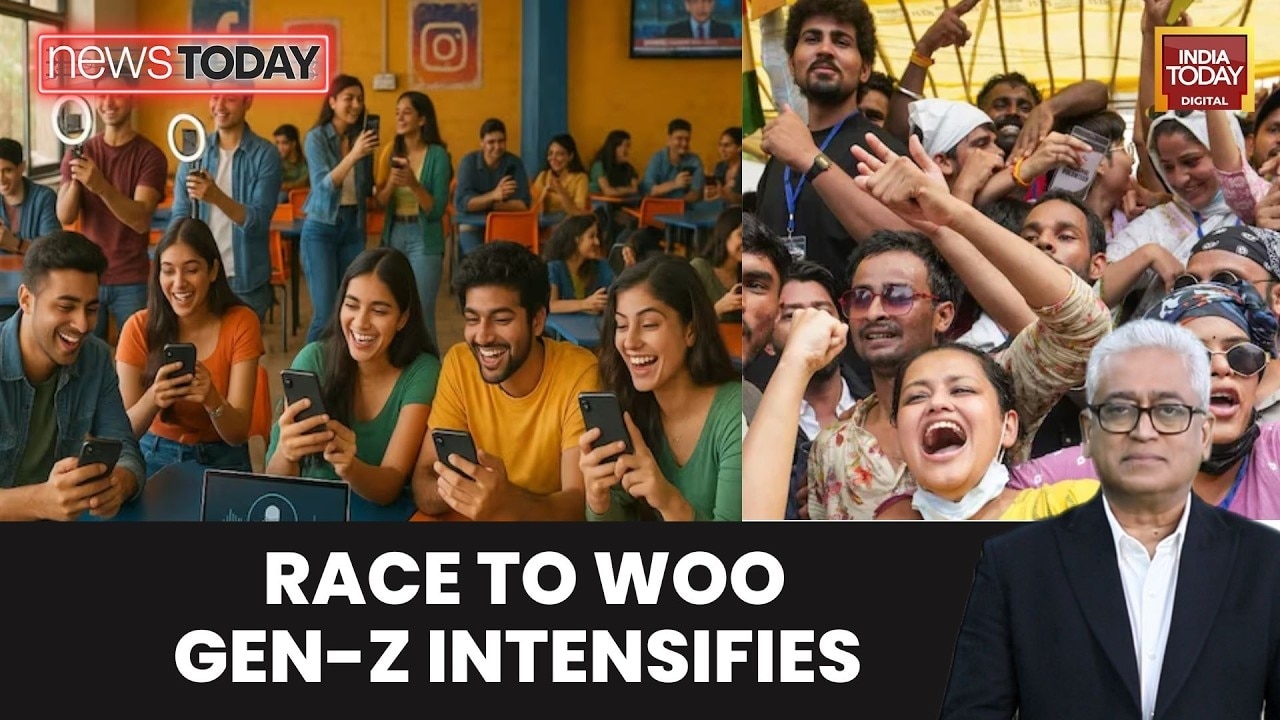
As PM Modi plans strategic campus visits, Rahul Gandhi intensifies student rallies, signaling a fierce political competition to win over India's influential Gen Z demographic.
- PM Modi's strategic plan for university campus visits.
- Rahul Gandhi's focus on student-centric rallies.
- The critical importance of the Gen Z demographic in upcoming elections.
The landscape of Indian politics is undergoing a seismic shift as the battle lines are drawn not just across states, but within the classrooms of India's premier educational institutions. Prime Minister Narendra Modi is reportedly planning a series of campus visits, aimed at engaging directly with the nation's youth. This move is seen as a strategic effort to bypass traditional media and connect with the digital-native generation.
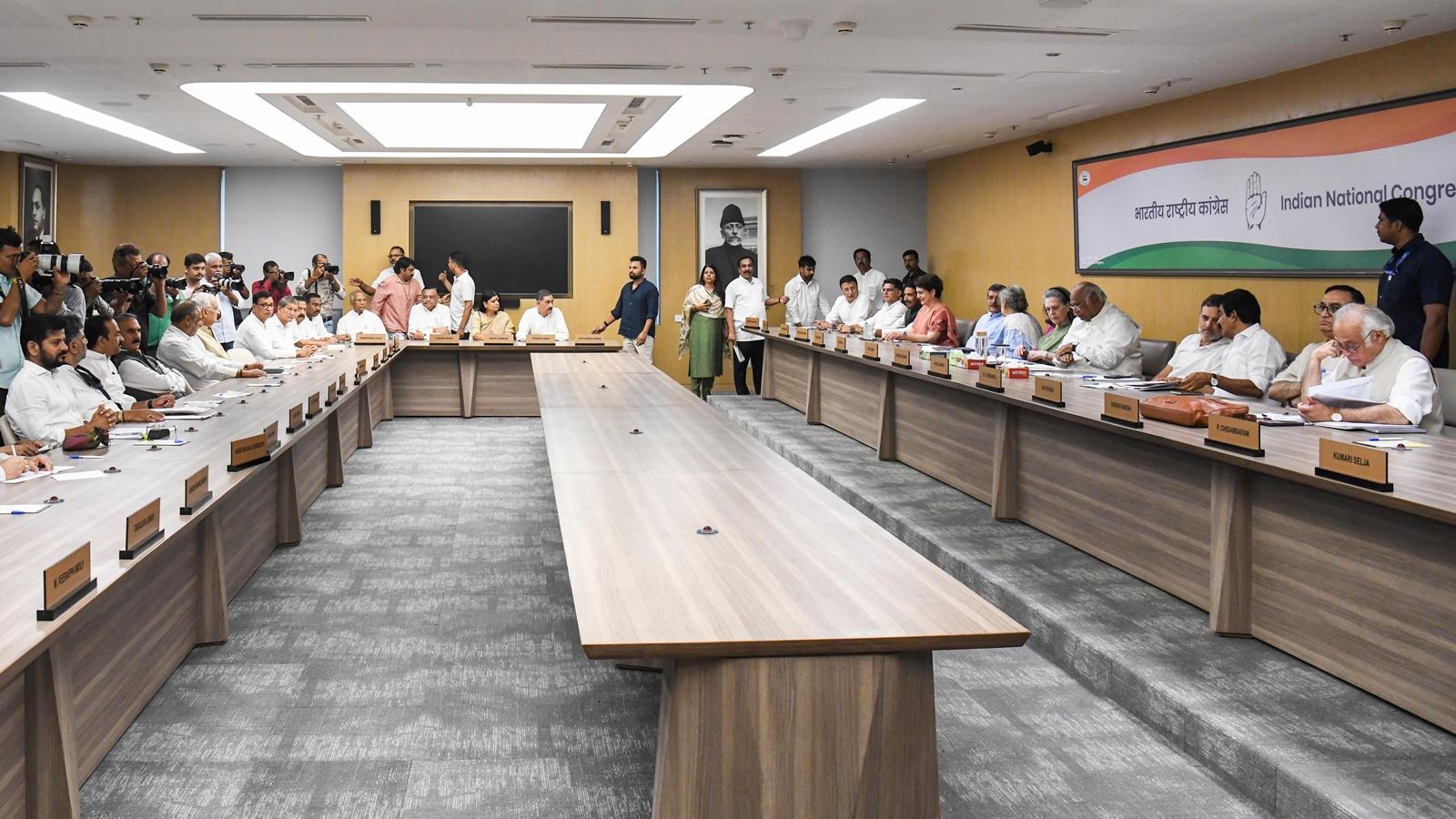
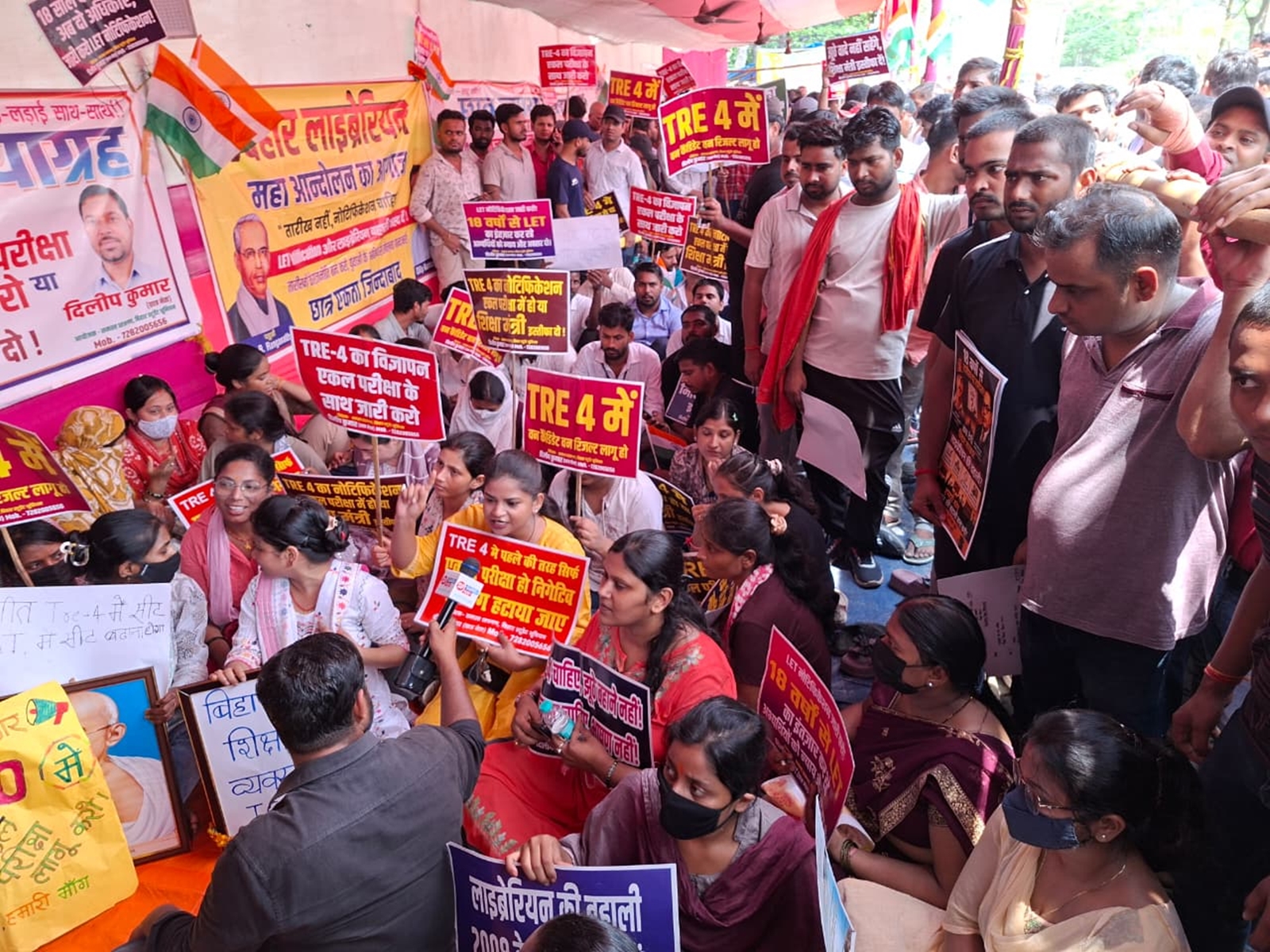
Simultaneously, Congress leader Rahul Gandhi has pivoted his political strategy toward student-led rallies. By addressing university crowds, Gandhi aims to tap into the grievances of the youth regarding employment, economic stability, and educational reform. This direct outreach marks a significant escalation in the competition for the Gen Z vote bank.
Why This Matters
BozokMedia analysis shows that the demographic weight of young voters in India is unprecedented. As the largest cohort of voters, Gen Z's preferences will dictate the political trajectory of the country for decades. Political parties are no longer just fighting for rural or urban middle-class votes; they are fighting for the hearts and minds of those who live online and demand transparency.
The political battleground has shifted from the streets to the campuses, where the next generation of leaders and voters reside.
Historically, student movements in India have been the catalysts for massive national shifts, from the anti-Emergency movements to regional identity struggles. Today, the stakes are even higher as the digital divide shrinks and social media becomes the primary arena for political persuasion. The focus on campuses reflects a realization that student sentiment often acts as a bellwether for broader national moods.
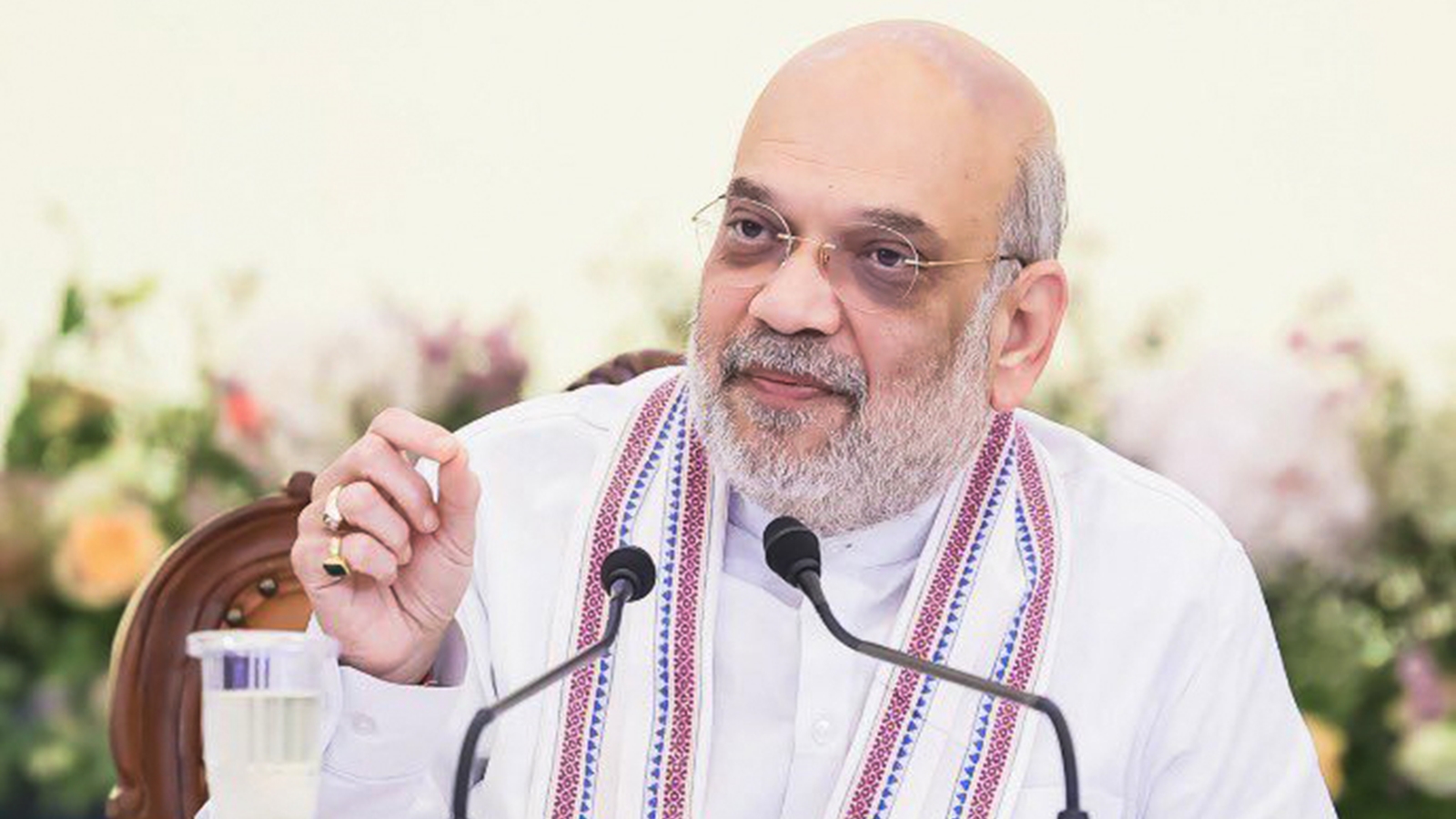
In a broader geopolitical context, while domestic politics heats up, international attention is also focused on India. The visit of US Ambassador Sergio Gor to Jammu & Kashmir and Ladakh—the first in over six years—signals a complex interplay between US-China competition and India's regional stability. This occurs even as Home Minister Amit Shah intensifies domestic rhetoric against the Congress party over cultural issues like 'Vande Mataram'.
Frequently Asked Questions
Question 1: Why is Gen Z considered a crucial vote bank?
Answer: Gen Z comprises a massive portion of the electorate with unique digital consumption habits and specific concerns like climate change and tech-driven jobs.
Question 2: What is the significance of US Ambassador Sergio Gor's visit?
Answer: It marks a significant diplomatic engagement in sensitive border regions during a time of heightened US-China strategic competition.