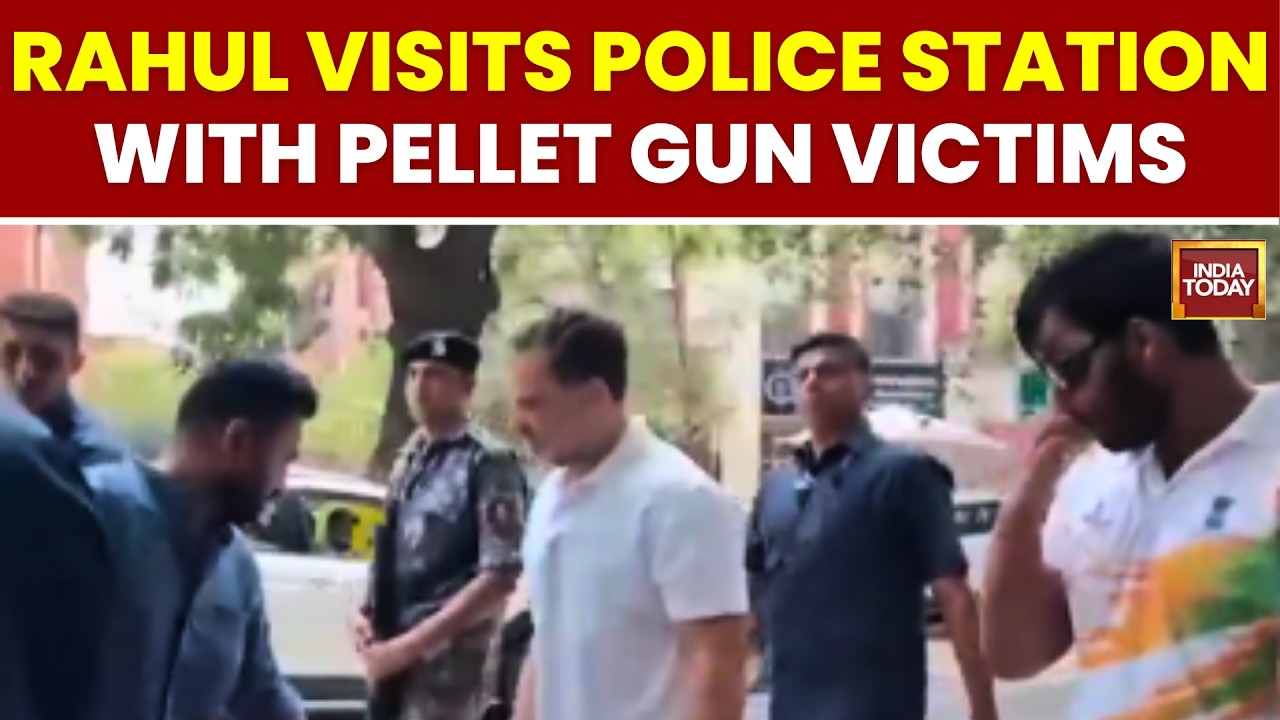
The administration has granted permission for Rahul Gandhi's 'Chhatron Ki Goonj' event in Pune, subject to 30 stringent conditions including a ban on objectionable banners. CM Fadnavis has reacted to the developments.
- Rahul Gandhi's Pune event has been approved with 30 stringent administrative conditions.
- A strict ban has been imposed on 'objectionable' banners and posters.
- CM Devendra Fadnavis has responded to the permission terms.
- The event remains open to all youth participants.
In a significant development regarding the political landscape in Maharashtra, the administration has cleared Rahul Gandhi's upcoming event, 'Chhatron Ki Goonj', in Pune. However, this approval comes with a heavy caveat of 30 specific conditions designed to regulate the conduct and content of the gathering.
The most contentious of these conditions involves the prohibition of any 'objectionable' banners or posters at the venue. Local authorities have emphasized that these measures are necessary to maintain public order and prevent communal or political friction. Meanwhile, Rahul Gandhi has maintained a defiant stance, asserting that the voices of students cannot be silenced and urging the youth to lead the charge for systemic change.
Why This Matters
BozokMedia analysis shows that the imposition of such extensive conditions highlights the growing tension between administrative oversight and the right to political assembly in Maharashtra. As Pune serves as a critical intellectual and political hub, the management of such large-scale youth gatherings becomes a litmus test for democratic freedom in the state.
The imposition of strict conditionalities often serves as a double-edged sword, balancing public safety against the fundamental right to protest.
Organizers, including Sapkal, have clarified that the event is inclusive and open to all young citizens. Despite the regulatory hurdles, the momentum for the event remains high. The reaction from Chief Minister Devendra Fadnavis has further elevated the discourse, turning a student-centric event into a high-stakes political standoff.
Historical Background
Pune has long been a crucible for student activism and political movements in India. Given its status as an educational powerhouse, any political gathering targeting the youth is met with intense scrutiny from both the state government and opposition parties, often leading to complex regulatory battles.
Frequently Asked Questions
Question 1: What are the main restrictions on the event?
Answer: The event is subject to 30 conditions, most notably the ban on any objectionable or provocative visual materials.
Question 2: Is the event limited to students only?
Answer: No, the organizers have stated that the program is open to all youngsters.