BJP has appointed Maharashtra's Vinod Tawde and Gujarat's Jagdish Patel to lead its UP campaign. Can they replicate the Bihar success to counter the PDA narrative?
- BJP has appointed Vinod Tawde as UP In-charge and Jagdish Patel as Co-in-charge.
- The party's UP Lok Sabha seat count dropped from 62 to 33 in the 2024 elections.
- The 2027 mission is crucial for setting the stage for the 2029 Lok Sabha polls.
- Countering the opposition's 'PDA' (Pichhda, Dalit, Alpsankhyak) narrative is the primary challenge.
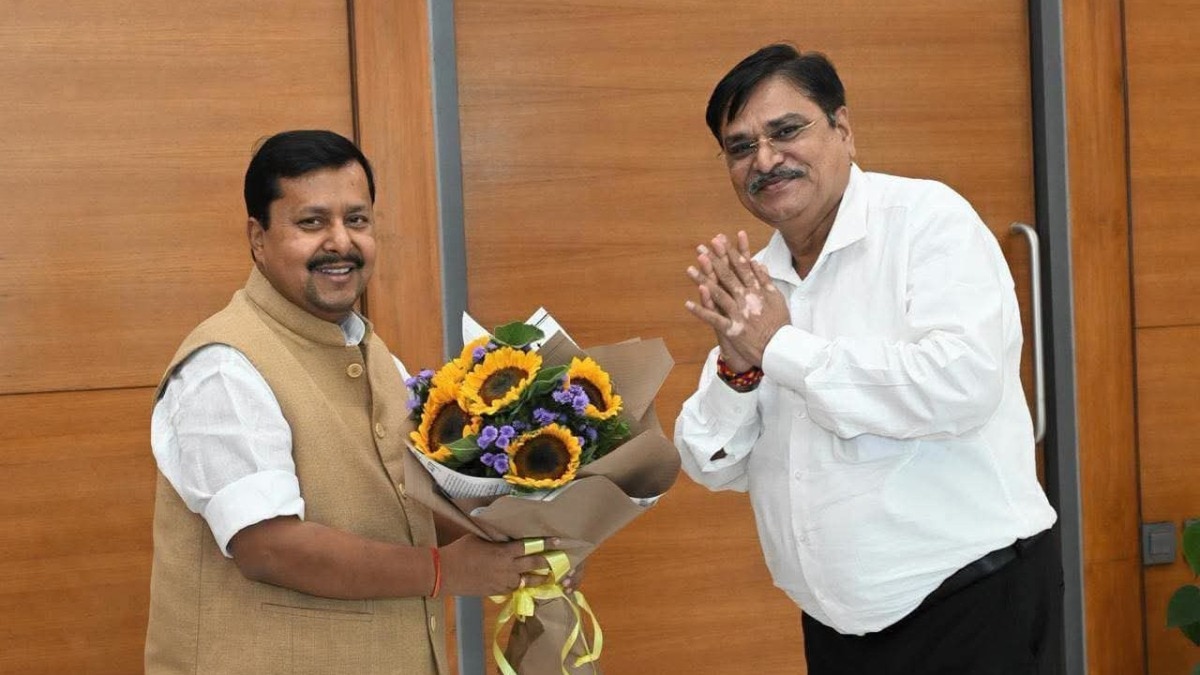
In a strategic move to fortify its position in Uttar Pradesh ahead of the 2027 Assembly elections, the Bharatiya Janata Party (BJP) has entrusted the state's organizational reins to a seasoned duo. Vinod Tawde, a BJP National General Secretary from Maharashtra, has been appointed as the in-charge for Uttar Pradesh, while Jagdish Patel from Gujarat has been named the co-in-charge. This decision marks a significant shift in the party's approach following its performance in the 2024 Lok Sabha elections.
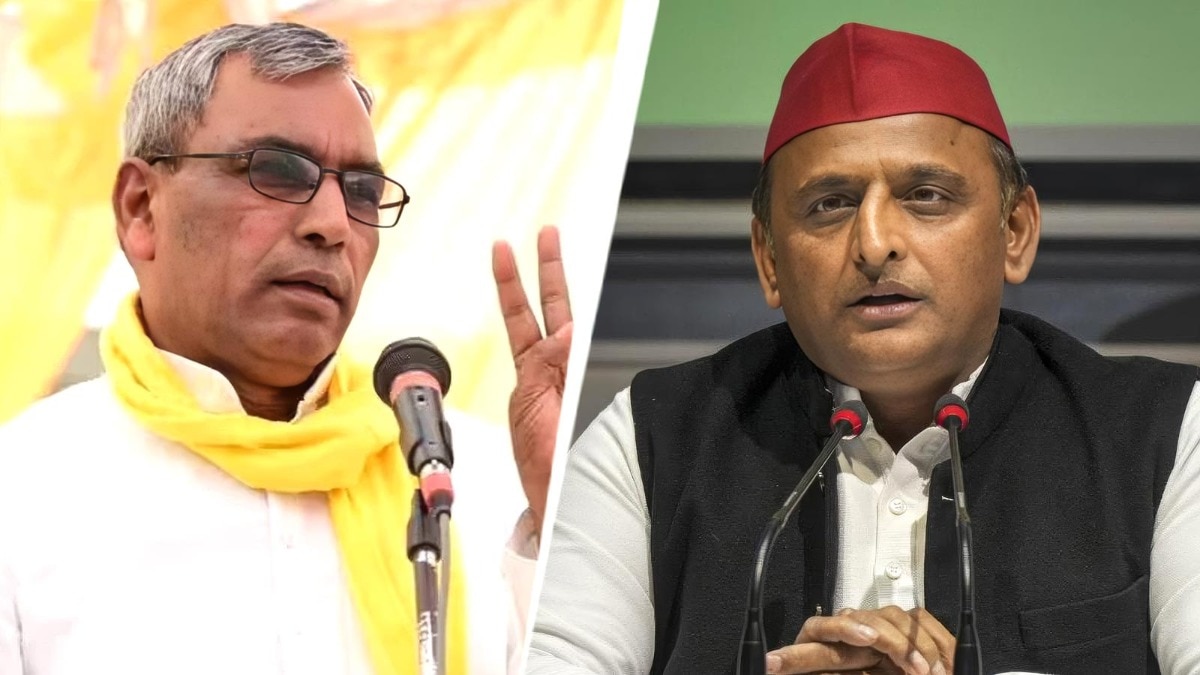
The 2024 general elections served as a wake-up call for the BJP in Uttar Pradesh, where its seat tally plummeted from 62 to 33. The opposition successfully exploited social fissures by leveraging the 'PDA' (Pichhda, Dalit, Alpsankhyak) narrative, focusing on caste reservation and constitutional concerns. Consequently, the upcoming 2027 polls are being viewed not just as a battle for state power, but as a foundational test for the 2029 Lok Sabha elections.
Why This Matters
BozokMedia analysis shows that the political landscape of Uttar Pradesh is uniquely complex, requiring a blend of ideological strength and surgical electoral management. By bringing in Tawde, who played a pivotal role in the NDA's landslide victory in Bihar, the BJP is attempting to import a proven 'micro-management' model. The success of this duo will determine whether the BJP can reclaim its lost social coalition or if the opposition's caste-based mobilization will become the new norm in North India.
The complexity of Uttar Pradesh's 403 seats requires more than just top-down leadership; it demands a grassroots-level surgical precision in booth management and caste arithmetic.
Vinod Tawde's background in the ABVP and RSS has equipped him with a deep understanding of organizational structures. His strategy in Bihar focused heavily on assembly-wise data and booth-level activation. The challenge now lies in scaling this model to the massive scale of Uttar Pradesh, which features diverse regional priorities ranging from the western belts to the Purvanchal and Bundelkhand regions.
One of the most critical hurdles for the new leadership will be managing internal dissent and the sensitive issue of ticket distribution. There are widespread rumors within the party that several sitting MLAs might be replaced to combat anti-incumbency. Tawde will need to balance the achievements of the Yogi Adityanath government with the ground realities of voters who may feel disconnected from the current leadership.
Frequently Asked Questions
1. Why did the BJP change its leadership in Uttar Pradesh?
The change is intended to revitalize the organization and implement better electoral strategies after the loss of seats in the 2024 Lok Sabha elections.
2. What is the 'PDA' narrative mentioned in the news?
PDA stands for Pichhda (Backward), Dalit, and Alpsankhyak (Minority), a political strategy used by the opposition to consolidate these specific vote banks.