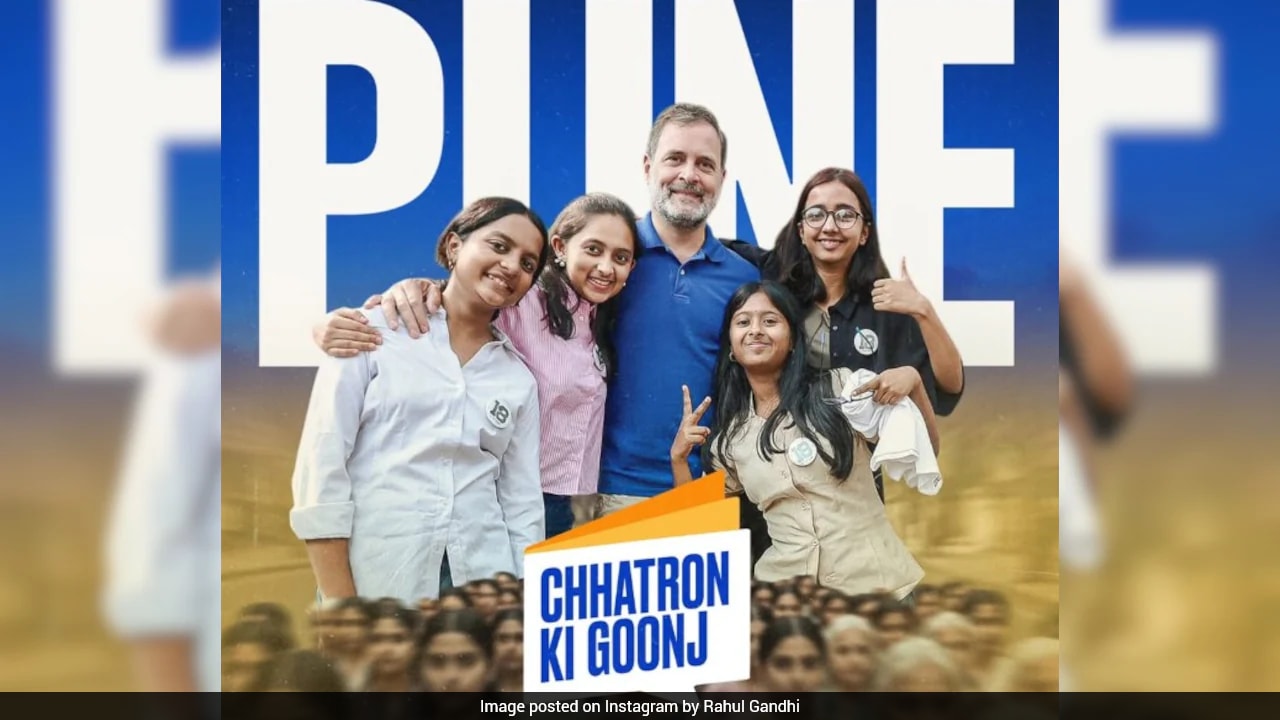
Moving away from massive rallies, Rahul Gandhi is adopting a grassroots approach by engaging directly with the anxieties of Gen Z and the aspirations of women.
- Shift from massive rallies to micro-level engagement with youth.
- The 'Chhatron Ki Goonj' initiative focuses on student-centric issues.
- Strategic focus on Gen Z and women as key electoral demographics.
In a significant tactical shift, Congress leader Rahul Gandhi is redefining political engagement in India. Moving away from the traditional reliance on massive, high-decibel rally grounds, the strategy is pivoting toward a more nuanced, two-way conversation. This approach specifically targets Gen Z and the female electorate, recognizing them as the most influential voting blocs in contemporary India.
The core of this strategy lies in meeting students where their everyday anxieties reside. Rather than delivering sweeping promises from a podium, the outreach focuses on the specific economic, social, and educational concerns that define the lives of modern youth. The 'Chhatron Ki Goonj' initiative has been instrumental in this momentum, providing a platform for students to voice their struggles directly to the leadership.
Why This Matters
BozokMedia analysis shows that the political landscape is undergoing a fundamental transformation. As India's demographic dividend leans heavily toward a younger population, political success is no longer guaranteed by mere charisma; it requires deep empathy and an understanding of digital-era challenges. By addressing the specific anxieties of Gen Z, Gandhi is attempting to build a long-term ideological connection rather than a temporary electoral one.
Political influence is shifting from the roar of the crowd to the depth of the individual conversation.
Furthermore, the emphasis on women is not just about representation but about addressing systemic issues like safety, economic participation, and social security. By integrating these concerns into the core of his outreach, Gandhi is attempting to create a holistic political identity that resonates with the household decision-makers of India.
Historical Background
Historically, Indian political campaigns have been characterized by grand spectacles and large-scale mobilization. While these remain important, the rise of social media and a more informed, skeptical youth population has forced a shift toward more personalized and issue-based campaigning.
Frequently Asked Questions
Question 1: What is the 'Chhatron Ki Goonj' initiative?
Answer: It is a Congress outreach program designed to listen to and amplify the concerns of students across the country.
Question 2: How does this differ from traditional campaigning?
Answer: Unlike traditional rallies that focus on mass mobilization, this strategy focuses on direct, issue-based dialogue with specific demographics.