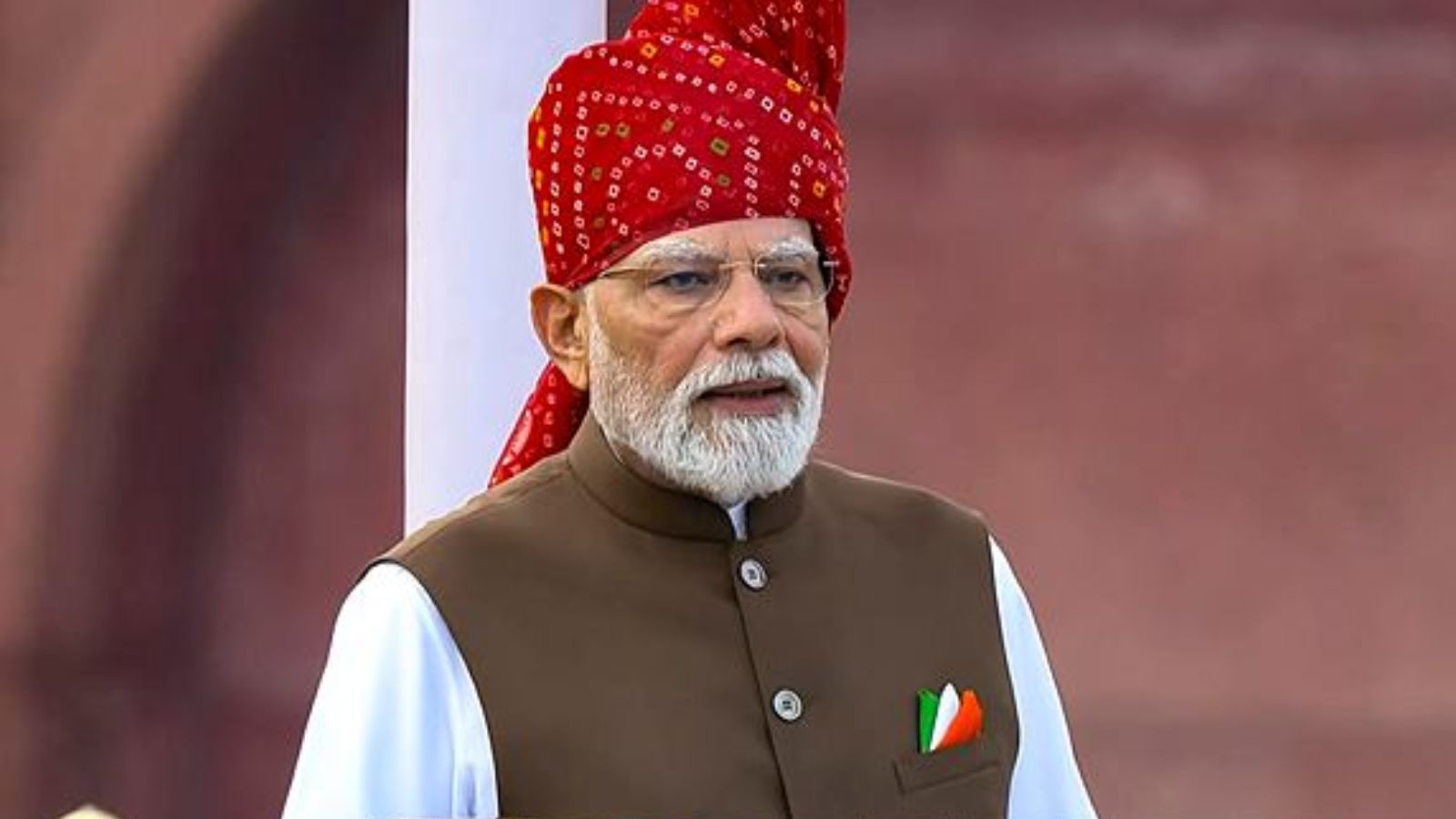
Author Amarinder Singh argues that the era of 'Modi-ism' must transition from personality-driven governance to a system anchored in robust constitutional institutions and parliamentary scrutiny.
- 'Modi-ism' has significantly enhanced infrastructure and digital welfare delivery.
- The 2024 election results signaled a return to coalition politics and the need for consultation.
- Democracy requires institutional independence rather than just charismatic leadership.
- Welfare should be treated as a statutory right, not a personal gift from a leader.
Every political era eventually earns a moniker. In India, we are witnessing the rise of 'Modi-ism'—a governing order defined by a commanding leader, a disciplined party, civilizational assertion, and technology-driven welfare. It is a method of exercising authority that promises a stronger India through speed, scale, and direct communication. However, as the political landscape shifts, a critical question emerges: can this model sustain itself without deep-rooted institutional anchors?
Achievements and Economic Impact
The tangible successes of the Modi era are undeniable. From massive infrastructure projects to the revolution of Digital Public Infrastructure (DPI), the state's capacity to reach the last mile has improved. NITI Aayog reported a significant drop in multidimensional poverty from 29.17% in 2013-14 to 11.28% in 2022-23. This efficiency in delivery has provided a sense of stability and progress to a nation long frustrated by bureaucratic inertia.
Why This Matters
BozokMedia analysis shows that while charismatic leadership can accelerate development, the long-term resilience of a nation depends on its institutions. A system that relies too heavily on a single individual risks instability during leadership transitions.
Democracy is sustained not merely by periodic elections, but by restraints on power and respect for dissent.
The 2024 General Election served as a pivotal moment. While the mandate for continuity remained, the BJP's dip to 240 seats necessitated a return to coalition management. This shift naturally reinjects the necessity for consultation, compromise, and parliamentary deliberation—elements that are essential to a healthy democracy.
The Constitutional Imperative
Critics often allege that the current era seeks to dilute pluralism and capture institutions. While the Supreme Court has upheld the constitutional character of the republic—such as rejecting petitions to remove 'secular' from the Preamble—the concern remains about the 'softening' of institutions. A Constitution can be weakened not just by changing words, but by eroding the conventions and independence that make those words meaningful.
True democratic strength lies in the ability of Parliament to act as a watchdog. This includes rigorous committee scrutiny and ensuring that federal consultation precedes major decisions that impact state rights. The republic belongs to every citizen, regardless of religious or political identity.
Rights vs. Beneficiary Politics
A subtle but profound shift is occurring in how welfare is perceived. Current models excel at scale, but there is a risk of transforming statutory entitlements into political tokens. Food security, housing, and social security are legal obligations of the state, not acts of personal generosity from a leader.
To ensure long-term social justice, citizens must remain rights-holders. When welfare is presented as a gift, it risks reducing the citizen from an empowered participant in democracy to a grateful beneficiary of state charity.
Frequently Asked Questions
1. What defines 'Modi-ism' in the current political context?
It is a governance model characterized by centralized decision-making, infrastructure-led growth, and a strong emphasis on national identity.
2. Why is institutional independence important for India?
It ensures checks and balances, protects minority rights, and maintains the stability of the democratic framework regardless of which party is in power.