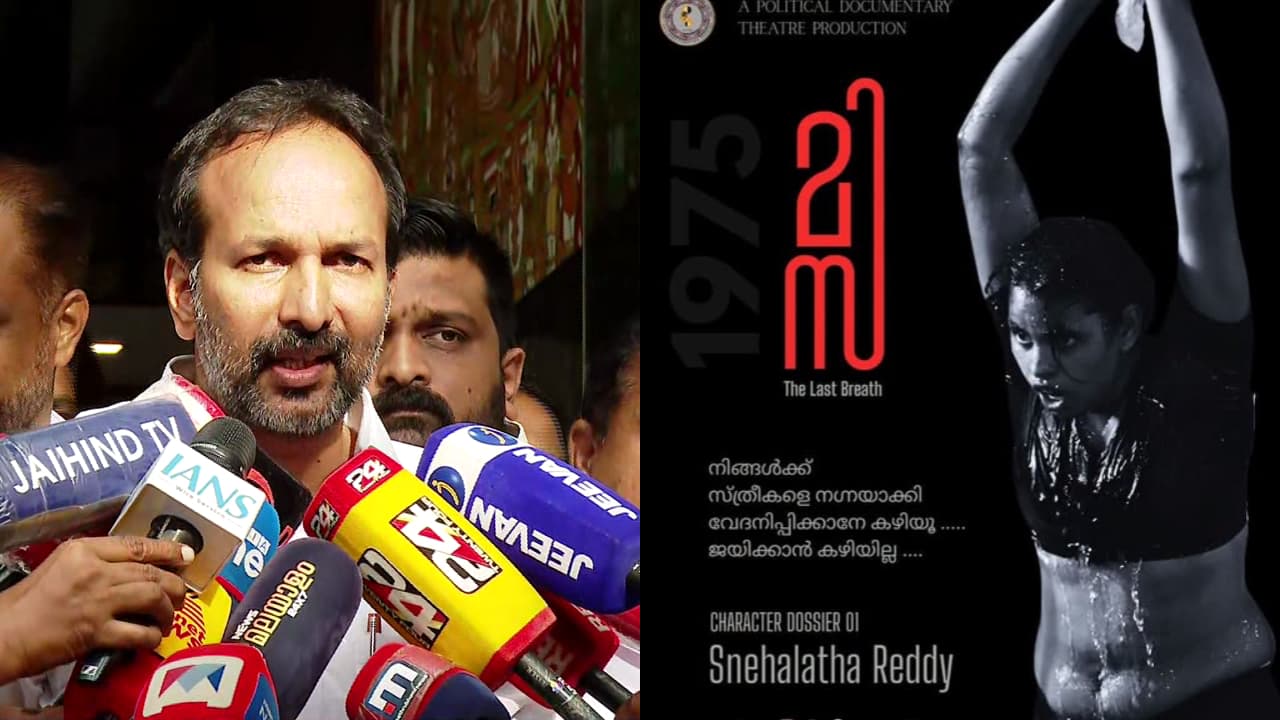
Dravidar Kazhagam leader K. Veeramani emphasized that while Periyar achieved monumental success in social justice, modern policies like NEET and EWS reservation are threatening the rights of oppressed classes.
- Periyar's legacy significantly uplifted women and oppressed classes.
- NEET and EWS quotas are viewed as barriers to equitable education.
- The DK remains committed to social reform over political power.
Addressing a massive public gathering in Madurai, Dravidar Kazhagam (DK) leader K. Veeramani stated that while the founder of the Dravidian movement, Periyar, achieved significant milestones in bringing social justice to the oppressed, much work remains to be done. He highlighted that the fight for equality is far from over.
Veeramani expressed deep concern over current educational and reservation frameworks. He argued that the introduction of NEET and the Economically Weaker Section (EWS) quota acts as a mechanism to deny education to the marginalized. He accused the central government of pushing ideologies that hinder the progress of Scheduled Castes, Scheduled Tribes, and Other Backward Classes.
Why This Matters
BozokMedia analysis shows that the tension between centralized educational standards (like NEET) and regional social justice mandates is a growing fault line in Indian politics. This debate touches the core of constitutional rights versus administrative uniformity.
The struggle for social justice is a continuous process that must evolve to counter new systemic barriers.
The speech marked the 80th anniversary of the historic 1946 Dravidar Kazhagam conference in Madurai. Veeramani recalled the violence faced by cadres during that era, noting that Periyar’s leadership prevented retaliation, teaching followers to stand firm in their ideology even under physical assault.
He credited Periyar for the nationwide implementation of reservations in education and employment. Furthermore, he noted Periyar's instrumental role in securing equal property rights for women and promoting their education, which laid the foundation for modern social reforms in South India.
Historical Background
The Dravidian movement emerged as a powerful force against caste hierarchy and religious orthodoxy in South India. Led by figures like E.V. Ramasamy (Periyar), it sought to dismantle the structures of the Manu Smrithi and promote rationalism and self-respect.
Frequently Asked Questions
1. What is K. Veeramani's stance on NEET?
He believes NEET denies educational opportunities to the oppressed classes.
2. What was the significance of the 1946 Madurai meeting?
It was a landmark conference for the Dravidar Kazhagam that faced significant opposition but solidified the movement's ideology.