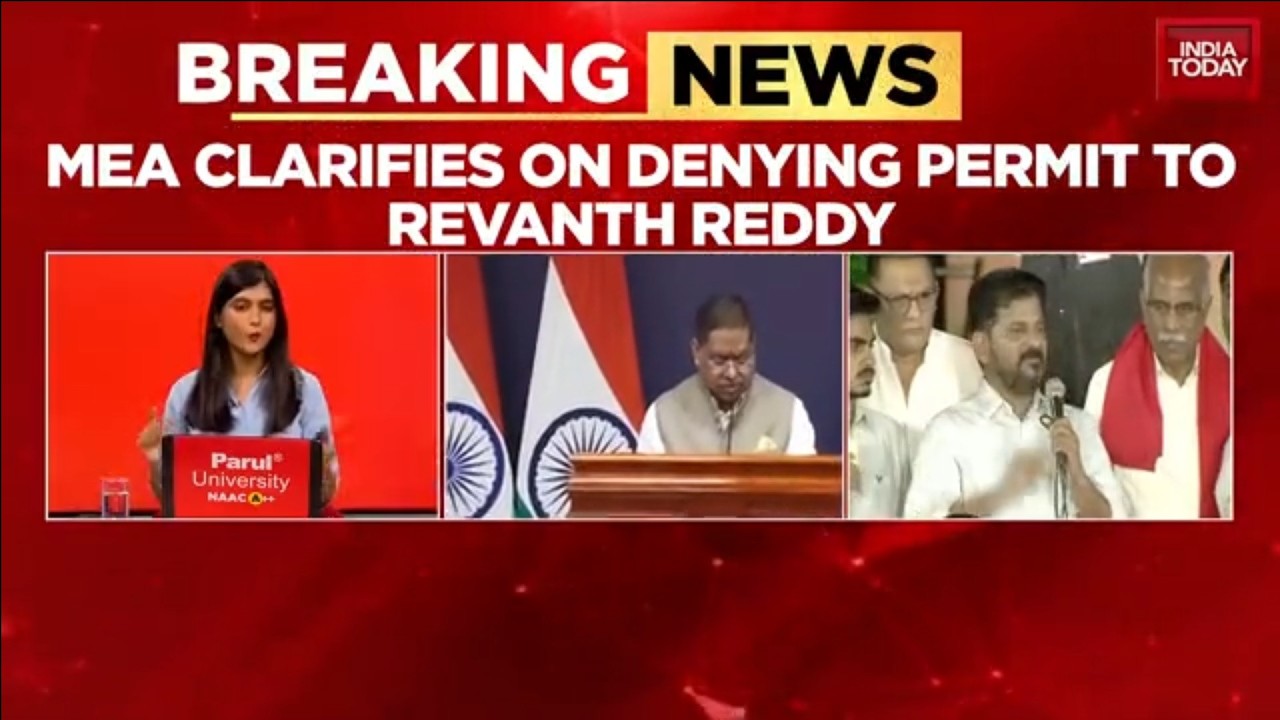
A major political showdown has erupted in the Tamil Nadu Assembly as parties clash over the proposed delimitation, fearing a reduction in the political influence of southern states.
- Proposed delimitation could lead to a significant redistribution of Lok Sabha seats.
- Southern states fear losing political leverage to Hindi-speaking regions.
- The debate centers on freezing seats at 543 vs. demanding new delimitation.
A fierce political confrontation unfolded in the Tamil Nadu Assembly as political parties engaged in a heated exchange regarding the proposed delimitation exercise. The debate has transcended the assembly walls, sparking a wider national conversation about the future of federal representation in India.
The core of the controversy lies in the potential increase in Lok Sabha seats. Political leaders from the southern region have raised alarms that a surge in parliamentary seats for Hindi-speaking northern states could drastically diminish the political influence of southern states. This shift could fundamentally alter how central governments are formed and how national policies are prioritized.
Why This Matters
BozokMedia analysis shows that this issue touches the very heart of Indian federalism. The tension arises from a paradox: states that have successfully implemented population control measures may find themselves penalized with reduced legislative representation, while states with higher population growth may gain more power.
The delimitation debate is a high-stakes tug-of-war between demographic reality and the preservation of regional political parity.
The political deadlock currently focuses on a singular question: Should the total number of parliamentary seats be frozen at the current 543, or should there be a demand for a fair and equitable delimitation process? Parties are now jockeying for position, attempting to prove they are the strongest defenders of state interests.
Historically, India has maintained a freeze on the number of seats in the Lok Sabha to prevent states that successfully managed population growth from losing their voice in Parliament. This freeze, which has been in place since the 1970s, is now being challenged by the necessity of aligning representation with current demographic shifts.
Frequently Asked Questions
1. Why are southern states worried about delimitation?
They fear that increasing seats based on population will give more power to northern states, reducing the collective voice of the south in the central government.
2. What is the current number of seats in the Lok Sabha?
There are currently 543 elected seats in the Lok Sabha.