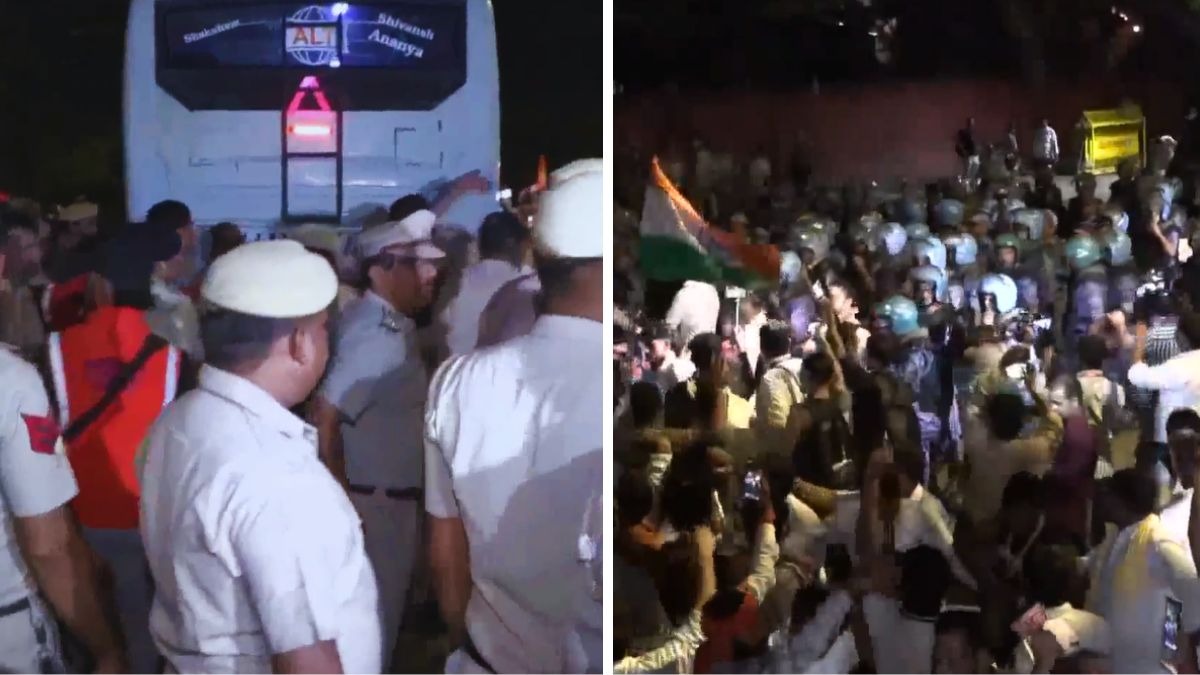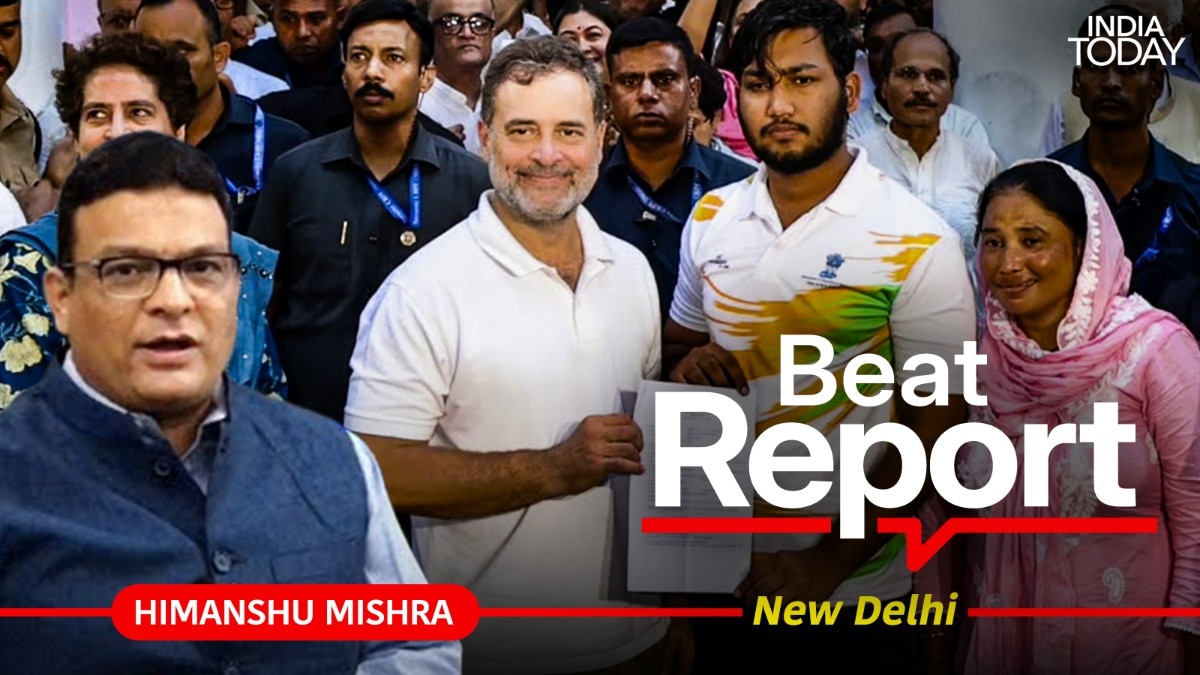
Rahul Gandhi's intensive 6-hour vigil for a pellet gun victim has yielded significant results, highlighting the power of direct political intervention in humanitarian crises.
- Rahul Gandhi conducted a sustained 6-hour vigil for a pellet gun victim.
- The direct intervention has accelerated the process of medical and legal aid for the victim.
- This action underscores the impact of high-profile political presence on administrative responsiveness.
In a significant display of political empathy, Congress leader Rahul Gandhi has demonstrated that leadership extends far beyond parliamentary debates. His decision to engage in a 6-hour continuous vigil for a pellet gun victim has paved the way for much-needed relief and justice.
Pellet gun injuries are notoriously devastating, often leading to long-term disability and immense psychological trauma. For victims, navigating the complex web of medical bureaucracy and legal hurdles can be an insurmountable task. However, the presence of a prominent national leader like Gandhi has shifted the narrative from a silent struggle to a matter of national attention.
Why This Matters
BozokMedia analysis shows that when high-profile political figures engage in direct, time-intensive activism, it creates a 'pressure cooker' effect on local administrations. This forced responsiveness often breaks the deadlock in cases involving marginalized or injured individuals who are otherwise overlooked by the system.
Direct political engagement in humanitarian crises acts as a catalyst for administrative accountability.
Historically, political movements in India have often relied on mass protests, but the shift toward sustained, individual-focused vigils marks a more personalized approach to social justice. This method ensures that the victim's plight remains in the spotlight until actionable results are achieved.
The outcome of this 6-hour vigil is already being felt, with reports suggesting that the victim is now receiving prioritized medical care and the legal process for compensation has been expedited. This serves as a blueprint for how political empathy can be converted into tangible social outcomes.
Frequently Asked Questions
Question 1: What was the significance of the 6-hour duration?
Answer: The duration was intended to show sustained commitment and to prevent the issue from being dismissed as a fleeting gesture.
Question 2: How does this affect the victim's legal standing?
Answer: High-profile attention often ensures that legal petitions are processed with greater scrutiny and speed by the authorities.