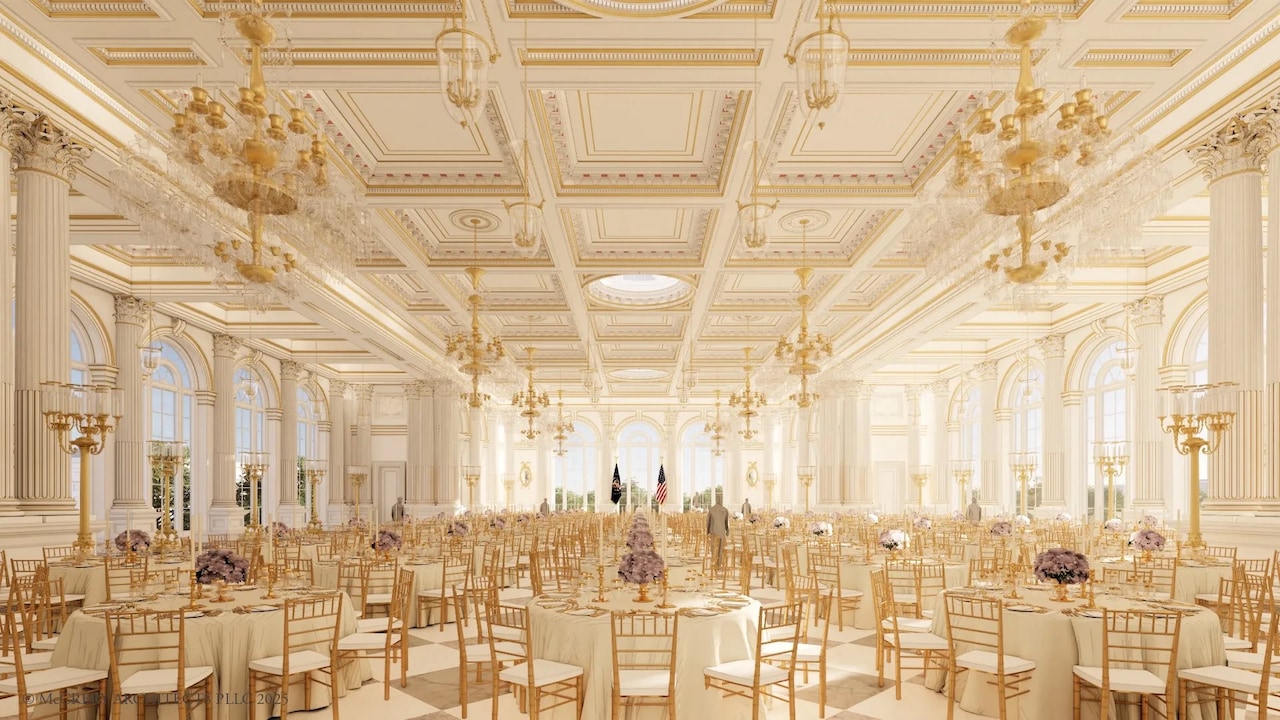
In a significant legal development, the US Supreme Court has issued a temporary order allowing construction on the Trump administration's White House ballroom project to continue pending an emergency appeal.
- The Supreme Court issued a temporary stay against the lower court's halt.
- Construction can proceed while the court reviews the administration's emergency appeal.
- The project involves significant structural changes to the White House premises.
In a decisive move on Friday, Chief Justice John Roberts signed a temporary order that permits the continuation of construction work on the controversial White House ballroom project. This decision comes as the US Supreme Court begins its review of an emergency appeal filed by the Trump administration.
The legal battle began when lower courts had previously ordered a complete halt to the construction, citing concerns over historical preservation and regulatory compliance. The administration argued that the halt caused unnecessary delays to essential administrative upgrades within the executive mansion.
Why This Matters
BozokMedia analysis shows that this ruling highlights the ongoing tension between executive authority and judicial oversight regarding historical landmarks. A final ruling in favor of the administration could set a massive precedent for how future presidents manage and modify federal properties.
The court's intervention signals a cautious approach, providing breathing room to the administration while maintaining the judiciary's role in reviewing executive actions.
The project, which aims to build a grand ballroom for official state functions, has been a point of contention for months. Critics argue that such massive structural additions could compromise the historical integrity of one of the world's most iconic residences, while supporters claim it is a necessary modernization for the 21st century.
As the legal proceedings unfold, the construction site remains a focal point of national interest. The ultimate fate of the ballroom now rests in the hands of the Supreme Court justices, whose forthcoming decision will define the limits of presidential expansion in historical spaces.
Frequently Asked Questions
Question 1: Is the construction now permanently approved?
No, the Supreme Court has only granted a temporary order while they consider the administration's emergency appeal.
Question 2: Why did the lower courts stop the project initially?
Lower courts halted the work due to legal challenges regarding the project's adherence to preservation laws and administrative protocols.