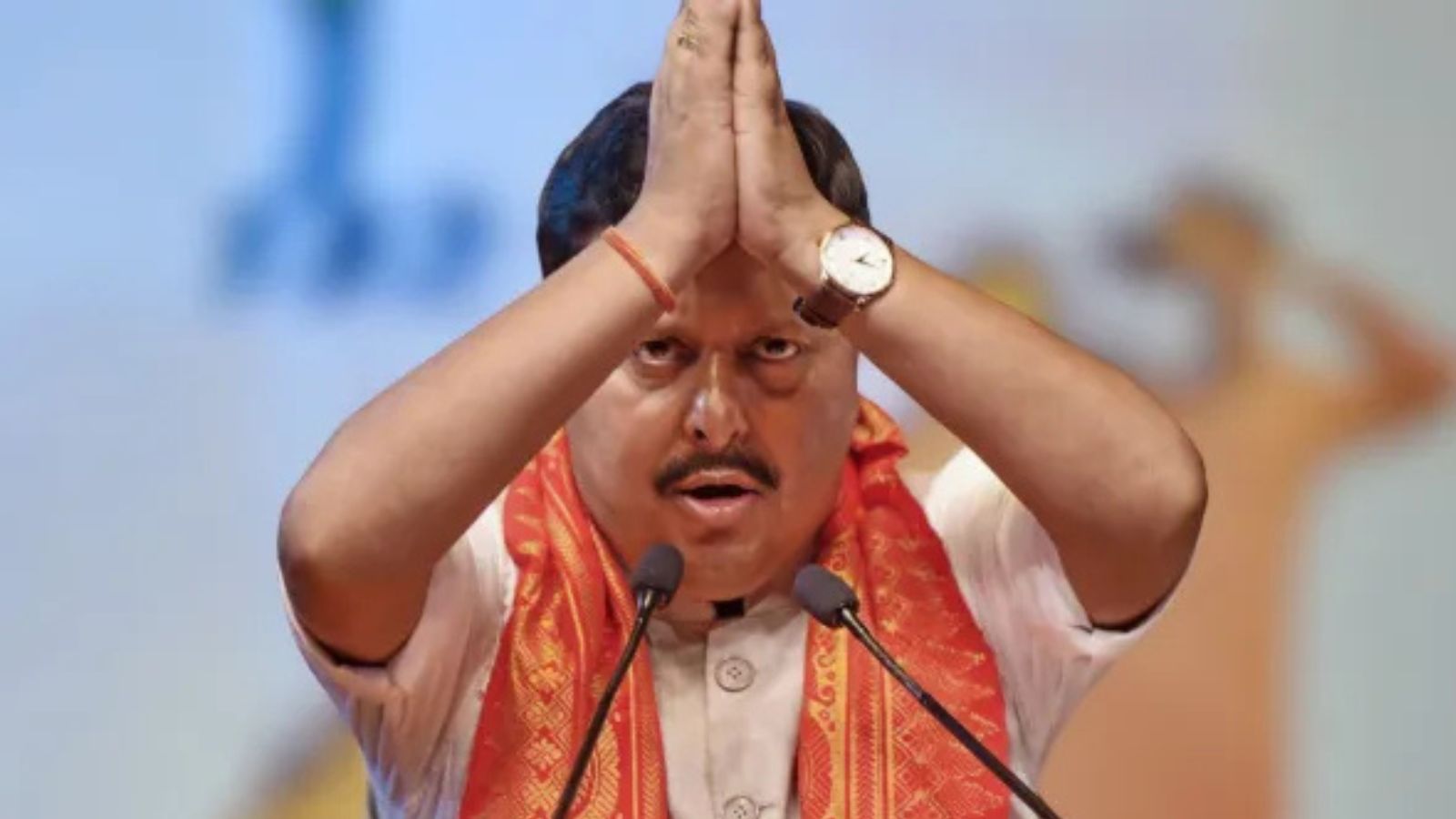
Union Home Minister Amit Shah held a crucial meeting with senior hill leaders in Sukna to address the long-standing demands of the Gorkha community and seek a permanent political resolution.
- Union Home Minister Amit Shah held a key meeting in Sukna, Darjeeling foothills.
- The agenda focuses on a 'permanent political solution' for the Gorkha community.
- Key attendees included CM Suvendu Adhikari, Bimal Gurung, and Mann Ghisingh.
- The meeting aims to move beyond failed previous administrative models like GTA and DGHC.
Union Home Minister Amit Shah conducted a high-profile meeting with senior hill leaders on Saturday, August 22, 2026, at a hotel in Sukna. This meeting, marking the final day of his extensive North Bengal visit, is seen as a critical step toward resolving the complex political landscape of the Darjeeling hills.
The meeting was notable for the presence of West Bengal Chief Minister Suvendu Adhikari, signaling a significant convergence of state and central interests. Also in attendance were prominent hill leaders such as Gorkha Janmukti Morcha (GJM) chief Bimal Gurung, Gorkha National Liberation Front (GNLF) chief Mann Ghisingh, and Darjeeling MP Raju Bista. The discussions included senior state ministers and BJP MLAs representing the hill constituencies.
Why This Matters
BozokMedia analysis shows that the demand for a separate Gorkhaland State has been a recurring theme in North Bengal politics for decades. Previous administrative arrangements, such as the Darjeeling Gorkha Hill Council (DGHC) and the Gorkhaland Territorial Administration (GTA), have struggled to deliver lasting peace, economic stability, or political satisfaction to the local population.
Finding a solution within the constitutional framework is the only way to ensure long-term stability in the Darjeeling hills.
The core focus of this dialogue is the BJP's pre-poll commitment to provide a 'permanent political solution.' By engaging directly with leaders like Gurung and Ghisingh, the central government is attempting to navigate the intricate web of ethnic identity and regional autonomy that defines the region.
Historical Background
The movement for Gorkhaland has seen multiple waves of agitation over several decades. Since the late 1980s, the Gorkha community has sought administrative and political recognition that reflects their unique cultural identity. While various interim bodies have been established to manage local affairs, the fundamental demand for statehood remains a central pillar of hill politics.
Frequently Asked Questions
1. What is the primary goal of Amit Shah's meeting?
The goal is to discuss a permanent political solution for the Gorkha community and other residents within the constitutional framework.
2. Who were the key figures present at the meeting?
Key figures included Amit Shah, Suvendu Adhikari, Bimal Gurung, and Mann Ghisingh.