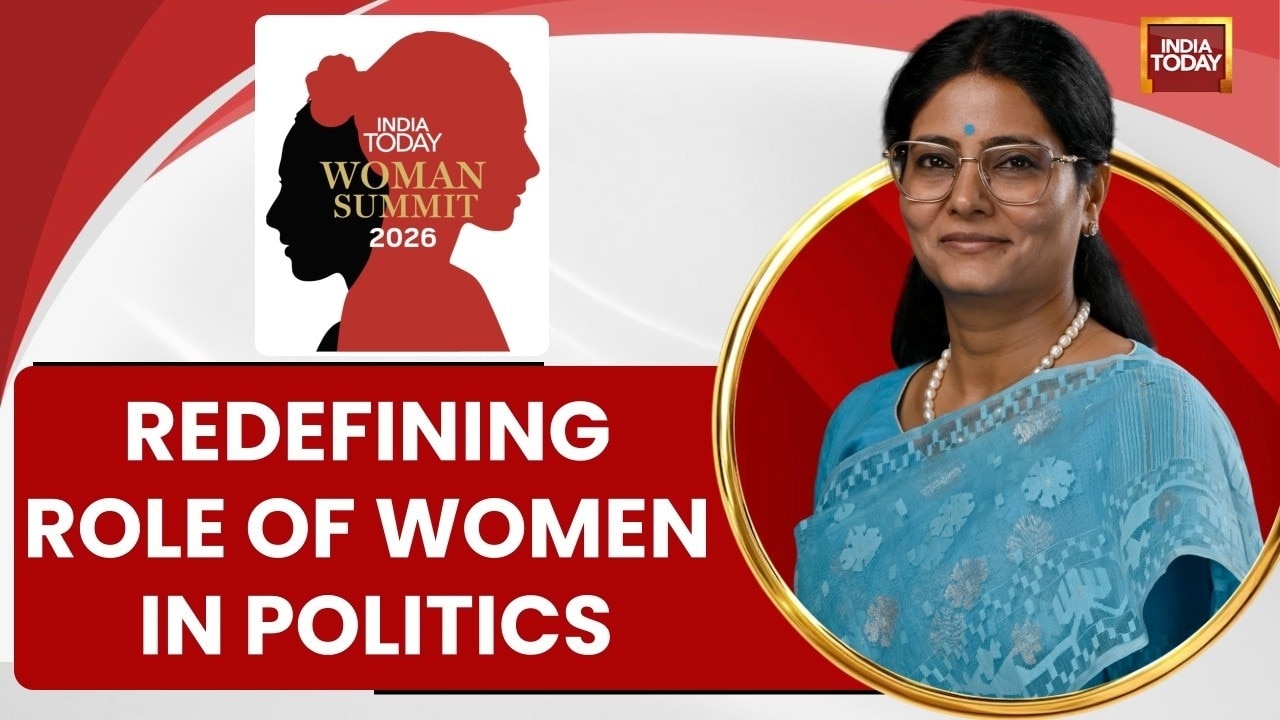
Union Minister Anupriya Patel has highlighted a significant barrier in Indian democracy, stating that political parties show extreme reluctance in fielding women candidates.
- Political parties exhibit a deep-seated reluctance to nominate women candidates.
- Systemic patriarchy continues to hinder women's professional and political growth.
- Gender bias persists in key sectors like Law and Media.
In a significant critique of the current political landscape, Anupriya Patel has voiced concerns regarding the lack of representation for women in mainstream politics. She noted that political parties are 'to a great extent' hesitant to grant election tickets to women, effectively stalling the progress of female leadership in India.
The Shadow of Patriarchy
The discussion surrounding this issue also touched upon the deep-rooted patriarchal structures in Indian society. Referencing historical texts like the Manusmriti, the dialogue highlighted how women have historically been viewed as subjects to men—fathers, husbands, or sons. This systemic mindset continues to influence modern institutions, demanding that women prioritize domestic roles over professional ambitions.
Why This Matters
BozokMedia analysis shows that the reluctance to grant tickets is not merely a procedural issue but a structural barrier that prevents women from accessing the levers of power. Without political agency, legal and social reforms for women remain superficial.
True democracy cannot exist as long as half the population is systematically excluded from the decision-making process.
The struggle extends beyond the ballot box into professional spheres. Advocate Rama Prasad Zhavre shared harrowing accounts of workplace stereotypes and bias in legal case allocations. Similarly, media professionals like Gyaneshwari highlighted the intense societal pressure to relinquish property rights and prioritize homemaking over demanding journalistic careers.
Historical Background
The movement for women's rights in India has evolved from fighting for basic legal recognition to demanding substantive representation in governance. Despite constitutional guarantees of equality, the transition from social acceptance to political empowerment remains a slow and uphill battle.
Frequently Asked Questions
Question 1: What is the core issue raised by Anupriya Patel?
Answer: She pointed out the extreme reluctance of political parties to provide election tickets to women candidates.
Question 2: How does patriarchy affect professional women in India?
Answer: It manifests through workplace bias, unequal opportunities in legal/media sectors, and societal pressure to prioritize family over career.