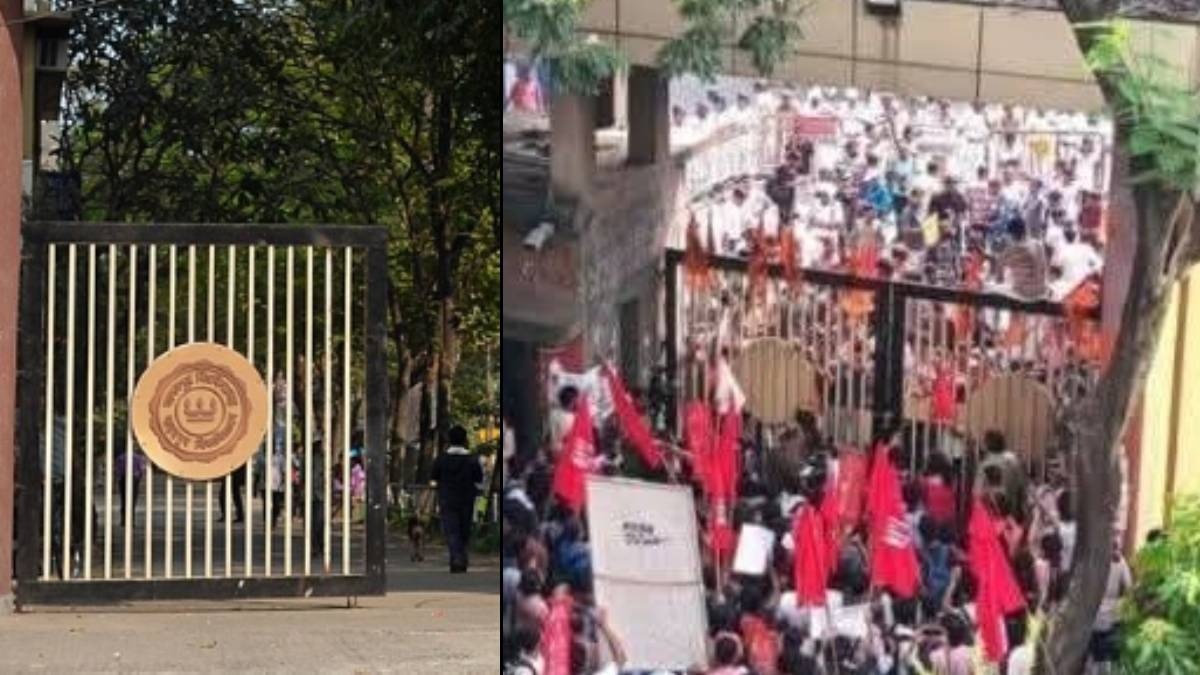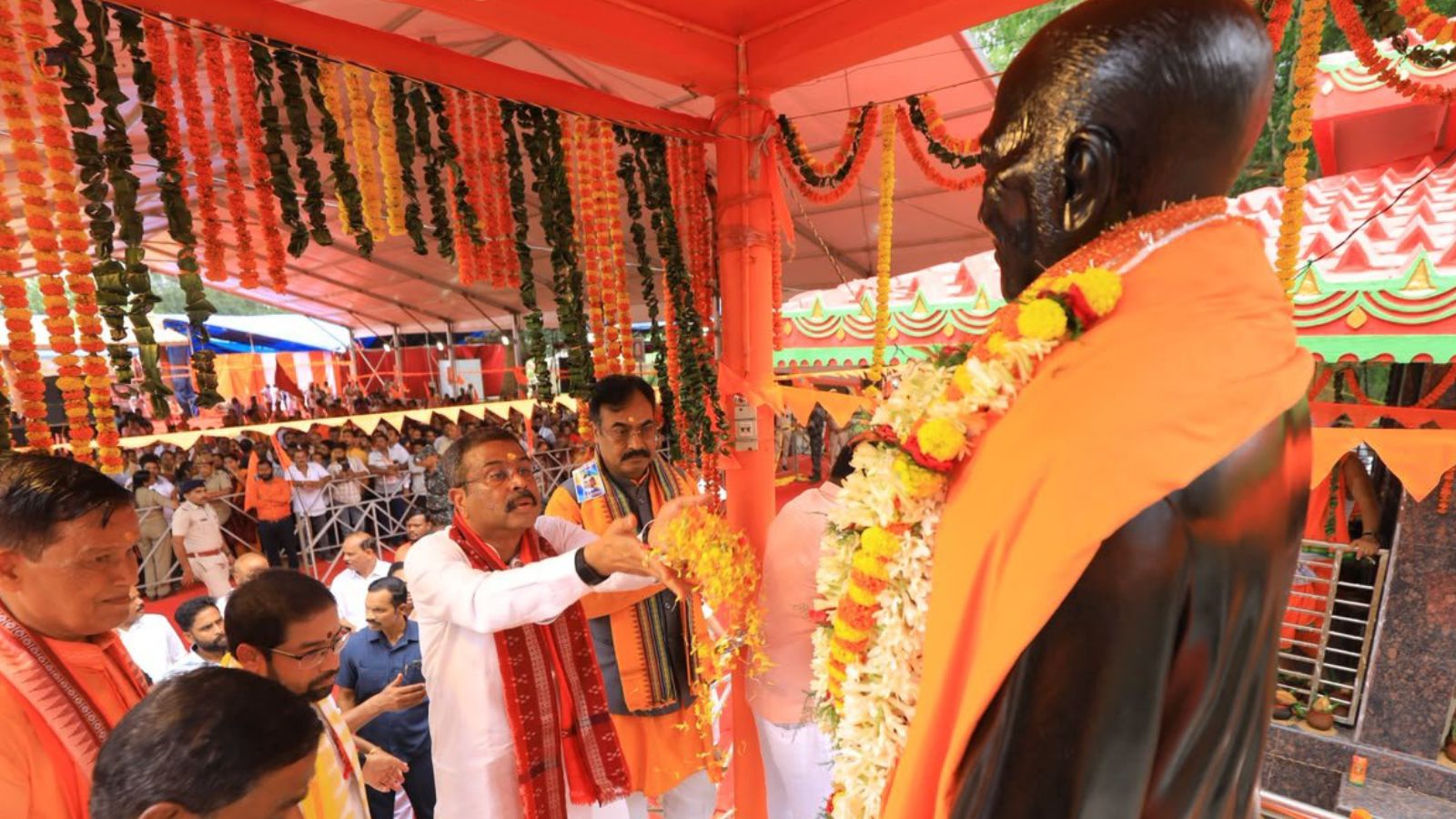
The recent violent confrontation involving Abhijeet Dipke's CJP activists in Rajasthan has sparked a debate over the ethics of 'raiding' schools to demand better facilities.
- A violent clash occurred between CJP activists and villagers in Jaipur, Rajasthan.
- Uncontrolled entry into classrooms poses significant safety risks to schoolchildren.
- Experts suggest focusing pressure on District Education Officers rather than storming schools.
The recent confrontation in the Rampura-Kanwarpura village of Jaipur district has raised critical questions regarding the boundaries of social activism. Abhijeet Dipke and his organization, CJP (Cockroach Janta Party), have been aggressively highlighting the deteriorating state of government schools through their 'School Thik Karo' campaign. However, their method of conducting 'raids' by barging into active classrooms is being met with heavy criticism.
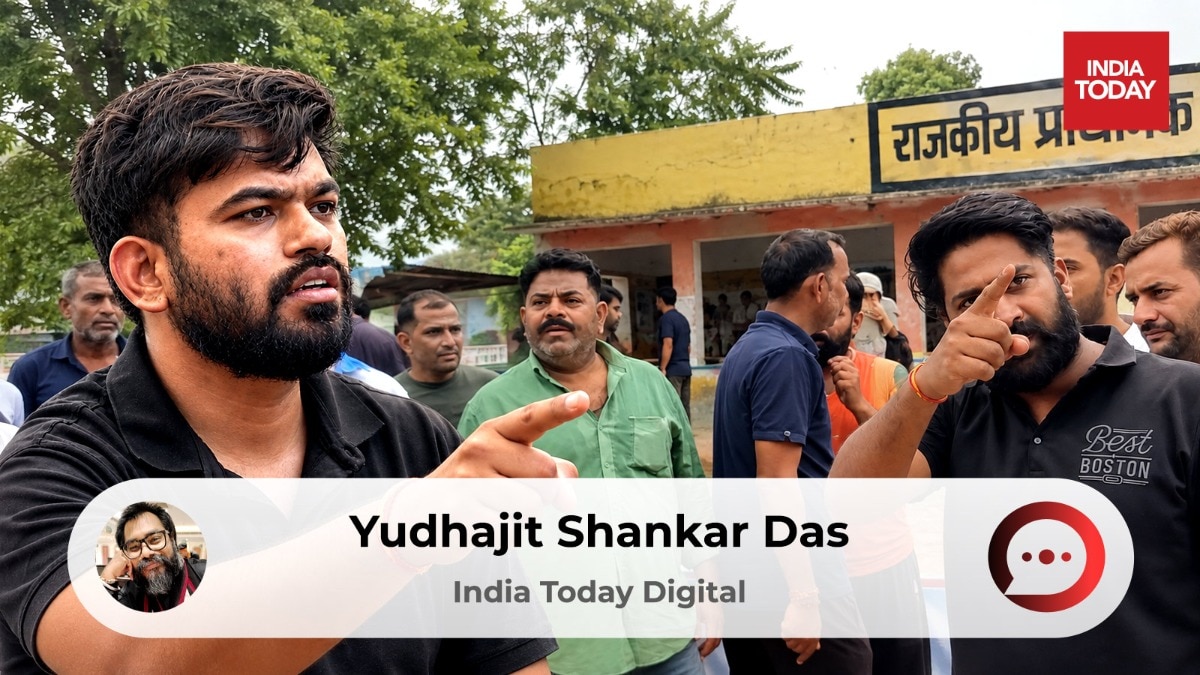
The tension escalated when CJP workers, led by Ashutosh Ranka, attempted to enter a primary school, only to be met with resistance from local villagers. While Ranka alleged that the opposition was fueled by 'BJP goons,' local residents maintained that outsiders had no business interfering in village institutions. This incident underscores the growing political polarization surrounding educational activism.
Why This Matters
BozokMedia analysis shows that schools are not mere public squares; they are highly sensitive institutions that require strict access control to ensure the safety of minors. Unlike public protests at sites like Jantar Mantar, entering a school environment introduces unpredictable variables, including the potential for physical violence between activists and locals, which directly puts children in the crosshairs.
Activism within a school setting risks turning educational spaces into sites of confrontation, endangering the very children the movement seeks to protect.
The history of such confrontations is grim. In West Bengal, a CJP volunteer, Sheikh Abdul Hafiz, faced a violent mob following a school visit, an incident that tragically resulted in the death of his father. Such precedents suggest that bypassing official channels in favor of direct school confrontation can lead to uncontrollable chaos.
There is a more effective, non-intrusive way to achieve systemic change. The CJP has previously demonstrated success through organized protests at Jantar Mantar, which forced the Union Education Minister to resign over paper leak issues without ever stepping inside a government office. This model proves that activists can exert immense pressure on the administration by targeting District Education Officers, District Magistrates, or elected representatives.
Frequently Asked Questions
1. What is the 'School Thik Karo' campaign?
It is an initiative by CJP aimed at identifying and fixing the poor infrastructure and amenities in government schools across India.
2. Can activists legally enter schools for inspections?
No, activists do not have legal authority to enter school premises without permission. Official grievances should be addressed to the relevant administrative authorities.
| Approach | CJP's Current Method | Recommended Professional Method |
|---|---|---|
| Target Area | Classrooms and School Premises | District Education/Magistrate Offices |
| Primary Risk | Direct confrontation with students/locals | Administrative/Legal delays |
| Impact | High volatility and safety concerns | Structured and sustainable reform |