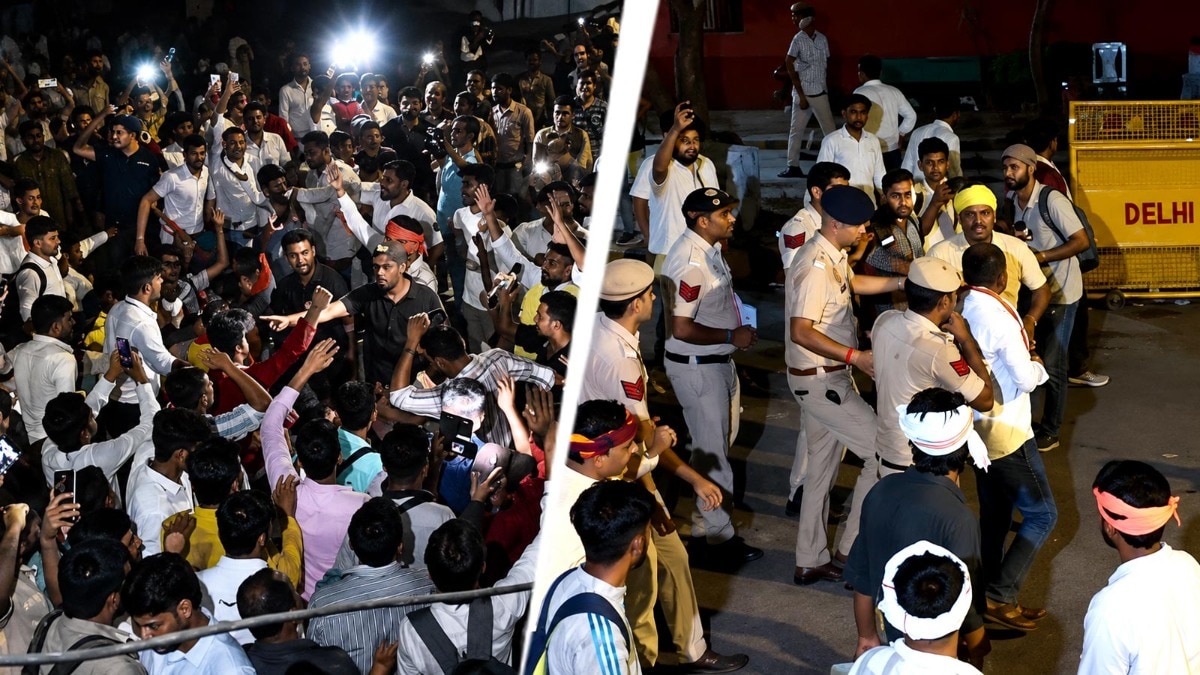
Thousands from the General Category gathered at Delhi's Jantar Mantar to protest against caste-based reservation and new UGC equity regulations, demanding economic-based support.
- Demand for reservation and government aid based on economic status rather than caste.
- Opposition to UGC Equity Regulations and misuse of the SC/ST Act.
- Call for implementing the 'Creamy Layer' concept in existing reservation policies.
Delhi's iconic Jantar Mantar became the epicenter of a massive demonstration on Friday, as thousands of individuals from the General Category gathered to voice their dissent against the current caste-based reservation system and the UGC Equity Regulations. Organized under the 'Reservation Reform Movement,' the protest was led by NEET aspirant Harsh Dubey. Protesters argued that the decades-old system needs a fundamental overhaul to align with modern socio-economic realities.
Core Demands of the Protesters
During the demonstration, protesters emphasized that they are not against providing aid to the underprivileged, but they demand that government assistance, including scholarships, coaching, and fee waivers, should be distributed based on economic standing rather than caste identity. Slogans such as 'Reservation for the poor, not for caste' resonated throughout the venue. Additionally, they demanded a review of the SC/ST Act to prevent its alleged misuse against individuals.
Controversy Over UGC and Creamy Layer
A significant portion of the protest focused on the University Grants Commission (UGC)'s new equity regulations. Protesters are demanding the mandatory implementation of a 'Creamy Layer' provision within the SC, ST, and OBC categories to ensure that the benefits of reservation reach the most marginalized sections of society instead of being cornered by the affluent within those groups. Various organizations, including the 'General Sena' and 'Chanakya Sena' from Rajasthan, joined the movement.
The essence of reservation is social justice; however, if it fails to reach the truly needy due to economic disparities within groups, it undermines its own purpose.
Why This Matters
BozokMedia analysis shows that this protest highlights a growing friction in India between the concepts of social justice and economic meritocracy. As competition for limited educational and professional opportunities intensifies, the debate over the criteria for affirmative action is likely to become a central political flashpoint in the coming years.
The atmosphere grew tense as the Rapid Action Force (RAF) and Delhi Police were deployed to manage the crowds. Authorities stated that no permission had been granted for a protest at Jantar Mantar, although a limited NOC was issued for a peaceful gathering at Ramlila Maidan. By the end of the day, several protesters were detained, leading to viral videos on social media platforms.
Historical Background
Reservation in India is deeply rooted in the constitutional framework, specifically Articles 15 and 16, designed to address historical injustices. Over the decades, the discourse has shifted from purely social representation to include economic considerations, most notably with the introduction of the EWS (Economically Weaker Sections) quota.
Frequently Asked Questions
Question 1: What is the primary demand of the protesters?
Answer: The primary demand is that government aid and reservation benefits should be based on an individual's economic status rather than their caste.
Question 2: Who is leading this movement?
Answer: The movement is being led by NEET aspirant Harsh Dubey under the 'Reservation Reform Movement.'