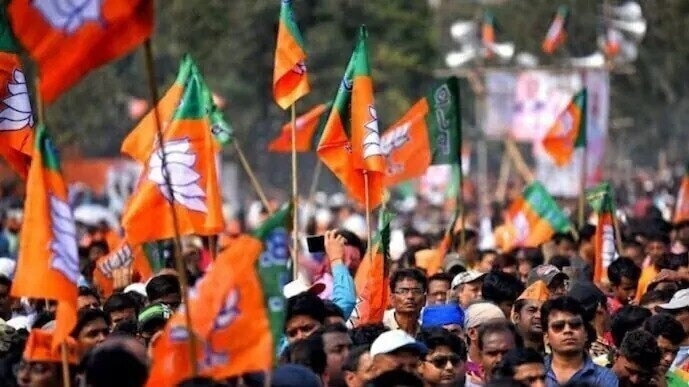
At the 'Chhatro Ki Goonj' event in Pune, thousands of students from across Maharashtra met Rahul Gandhi to demand urgent reforms in employment, education, and women's safety.
- Massive gathering of thousands of students at 'Chhatro Ki Goonj' in Pune.
- Key demands include job creation, education overhaul, and women's safety.
- Congress intensifies its statewide student enrollment drive.
A massive wave of student activism swept through Pune as thousands gathered for the 'Chhatro Ki Goonj' event to meet the Leader of Opposition, Rahul Gandhi. The assembly saw a significant presence of female students and Gen Z participants traveling from diverse districts, including Solapur, Hadapsar, Amravati, Marathwada, and Satara, signaling a widespread discontent and a desire for political engagement among the youth.
During the interaction, the atmosphere was charged with the aspirations of the younger generation. Students voiced critical concerns regarding the lack of employment opportunities, the urgent need for education reform, and the pressing issue of women's safety. The participants emphasized that the current leadership must prioritize an educated and empathetic approach to governance to address the systemic flaws in the existing education framework.
Why This Matters
BozokMedia analysis shows that this event is a cornerstone of the Congress party's strategic push to reclaim the youth vote bank. By engaging directly with students in Maharashtra, the party is attempting to build a grassroots movement that transcends traditional political boundaries. This shift toward youth-centric discourse is likely to redefine the political landscape in upcoming state and national elections.
The massive turnout in Pune underscores a growing demographic demand for policy-driven politics rather than identity-driven rhetoric.
This event has effectively set the stage for a political verbal duel between the BJP and the Congress. As Congress ramps up its statewide student enrollment drive, the BJP is expected to counter with its own youth-centric initiatives, making employment and education the primary battlegrounds for political dominance.
Historically, student movements in India have been the precursors to significant national shifts. From the anti-Emergency movements to contemporary social justice struggles, the youth have consistently acted as the conscience of the nation. The Pune gathering appears to be a modern manifestation of this historical trend, driven by a digitally-connected and socially-aware generation.
Frequently Asked Questions
1. What were the primary concerns raised by the students?
The students primarily demanded better employment prospects, comprehensive education reforms, and enhanced safety measures for women.
2. How does this event impact the political climate in Maharashtra?
It intensifies the competition between the Congress and BJP by making youth-specific issues the central theme of political debate in the state.