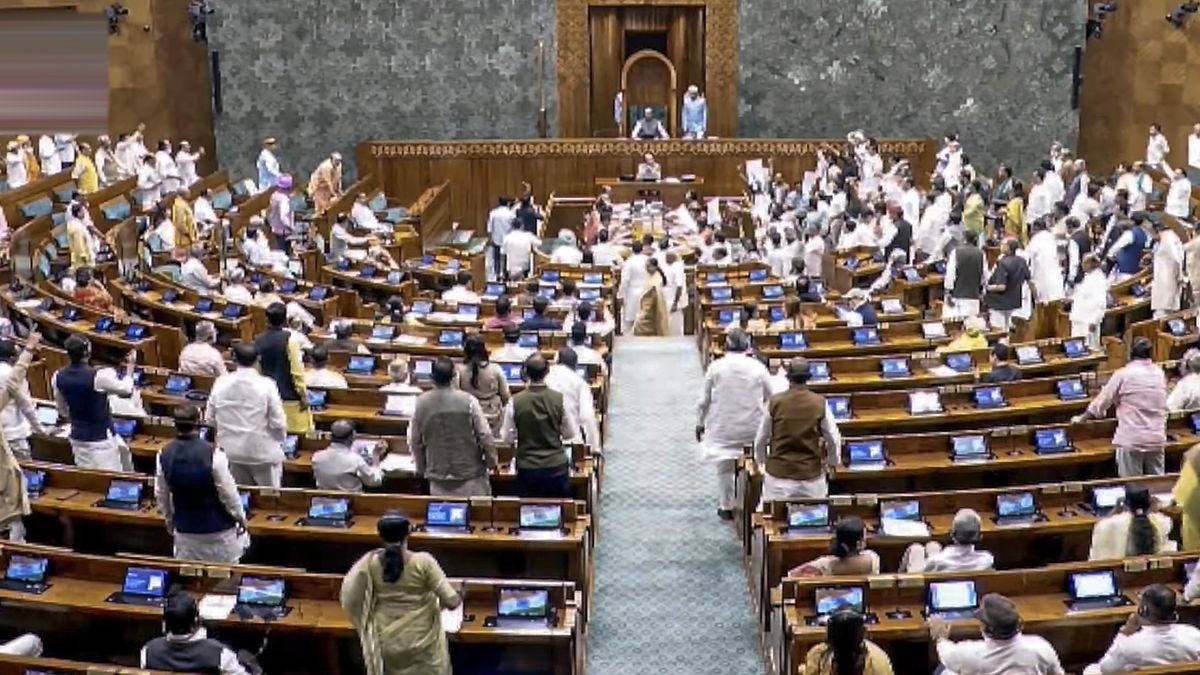
A new analysis by PRS Legislative Research reveals that over half of the bills in the 18th Lok Sabha are being passed in the same session they are introduced, raising concerns over parliamentary scrutiny.
- 53% of the 64 bills introduced in the 18th Lok Sabha were passed in their introductory session.
- The rate of rapid passage has surged significantly since 2025.
- Concerns are rising regarding the lack of debate, as some bills were passed in under five minutes.
New Delhi: The legislative landscape of the 18th Lok Sabha is undergoing a significant shift. According to an analysis of data from PRS Legislative Research, more than half of the bills introduced so far have completed their passage in the same session in which they were introduced. Of the 64 bills introduced since the current Lok Sabha was constituted, 34—or 53 percent—cleared both Houses within the same session.
The data highlights a sharp acceleration in legislative pace. While the 16th Lok Sabha saw only 33% of bills passed in their introductory session, and the 17th Lok Sabha saw 62%, the 18th Lok Sabha has maintained a high velocity since 2025. Initially, the 18th Lok Sabha began slowly, with no bills from the 2024 Budget Session passing through, but the trend shifted dramatically in subsequent sessions.
Why This Matters
BozokMedia analysis shows that while rapid legislative movement can be seen as administrative efficiency, it poses a fundamental risk to the deliberative nature of democracy. The lack of time for scrutiny often means that complex laws are implemented without adequate stakeholder consultation or bipartisan debate.
A short gap between introduction and passage gives MPs less time to examine proposed laws and reduces opportunities for consultation with stakeholders.
The Monsoon Session of 2026 serves as a prime example of this trend. Out of 12 bills introduced, 11 were passed before the session ended. Alarmingly, seven of these 11 bills were passed in five minutes or less. Furthermore, nine bills were cleared without a single Member of Parliament speaking on them, other than the minister in charge.
The parliamentary productivity was also hampered by disruptions. During the Monsoon Session, the Lok Sabha functioned for only 15% of its scheduled time, and the Rajya Sabha for 33%. The 'Question Hour,' intended to hold the government accountable, saw minimal activity, running for only nine minutes in total in the Lok Sabha throughout the entire session.
Historical Comparison: Bill Passage Trends
| Lok Sabha Term | Total Bills Introduced | Passed in Same Session | Percentage (%) |
|---|---|---|---|
| 16th Lok Sabha | 189 | 63 | 33% |
| 17th Lok Sabha | 190 | 117 | 62% |
| 18th Lok Sabha (To Date) | 64 | 34 | 53% |
As the government continues to push its legislative agenda, the tension between executive speed and legislative oversight remains a critical point of contention for constitutional experts and opposition leaders alike.
Frequently Asked Questions
1. What is the implication of passing bills quickly?
Rapid passage often bypasses parliamentary committees, which are essential for detailed scrutiny and expert input.
2. How much time did the Question Hour last in the recent session?
In the Lok Sabha, the Question Hour functioned for only nine minutes throughout the entire Monsoon Session.