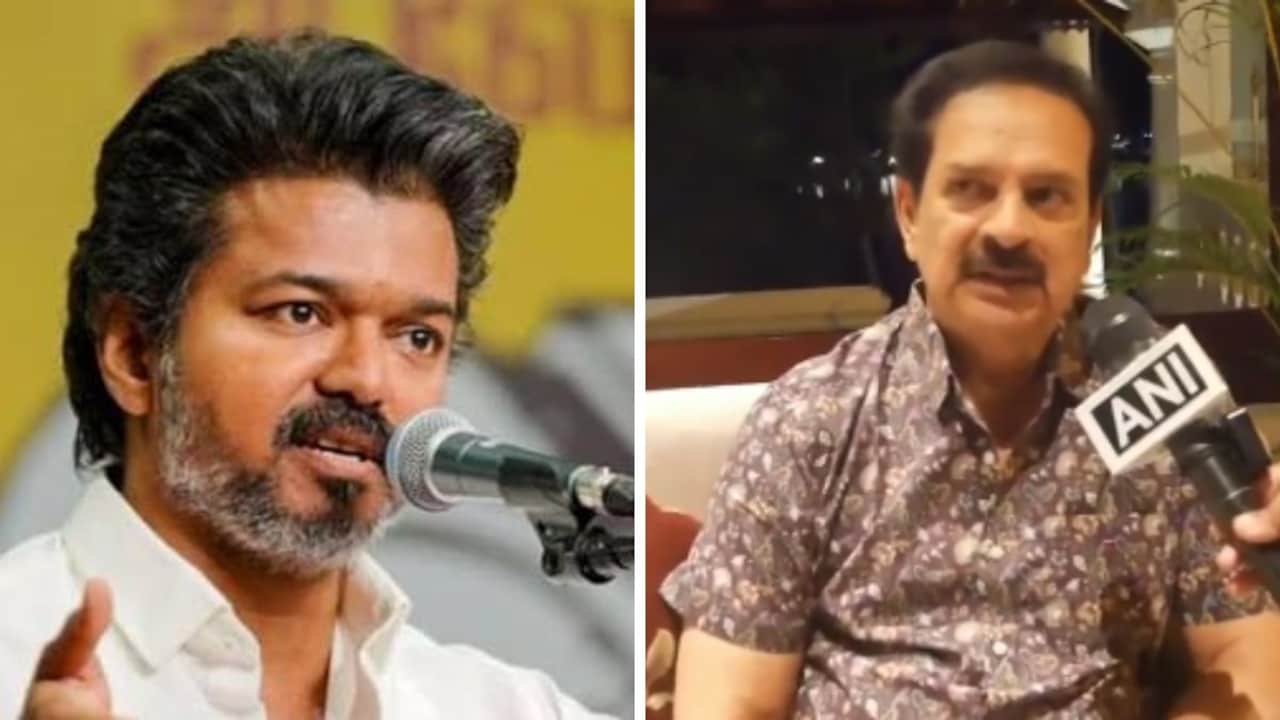
During the 'Reservation Hatao' protest at Jantar Mantar, YouTuber Ajeet Bharti raised critical demands for quota-within-quota and enhanced EWS benefits, emphasizing merit over identity politics.
- Ajeet Bharti emphasized balancing merit with reservation systems.
- Protesters demanded the repeal of the SC/ST Act.
- UP Deputy CM Brajesh Pathak assured dialogue with central ministers.
The 'Reservation Hatao Andolan' held at Delhi's Jantar Mantar has ignited a fierce national debate regarding India's affirmative action policies. Leading the discourse, popular YouTuber Ajeet Bharti voiced significant demands, including the implementation of 'quota within quota' and a substantial expansion of benefits for the Economically Weaker Sections (EWS).
Bharti's stance centers on the idea that a 'Developed India' cannot be achieved if the nation compromises on merit. The protesters argued that reservation should be strictly targeted toward the poor, regardless of caste, and called for the repeal of the controversial SC/ST Act, claiming it hinders social progress and meritocracy.
Why This Matters
BozokMedia analysis shows that this movement signifies a growing friction between traditional caste-based reservation and the emerging demand for economic-based affirmative action. The protest highlights a demographic shift in political discourse where meritocracy is increasingly being pitted against identity-based protections.
The tension between merit-based advancement and social justice safeguards is reaching a boiling point in Indian politics.
As tensions escalated, the Delhi Police intervened and detained several anti-reservation protesters to maintain public order. In a move to de-escalate the situation, Uttar Pradesh Deputy CM Brajesh Pathak met with the agitators, promising that the matter would be brought to the attention of Union Ministers for a constructive dialogue.
The implications of this protest are far-reaching, as it challenges the current constitutional framework and puts pressure on the central government to rethink how reservation benefits are distributed in a modernizing economy.
Historical Background
Reservation in India was originally designed to address historical injustices faced by specific castes. Over the decades, however, the scope has expanded, leading to legal battles and political movements that seek to redefine the criteria for affirmative action, moving from caste-based to income-based models.
Frequently Asked Questions
Question 1: What are the primary demands of the protesters?
Answer: The protesters are demanding a quota-within-quota system, more benefits for the EWS category, and the repeal of the SC/ST Act.
Question 2: How has the government responded?
Answer: While some leaders have assured dialogue with central authorities, law enforcement has also taken action to manage the protests at Jantar Mantar.