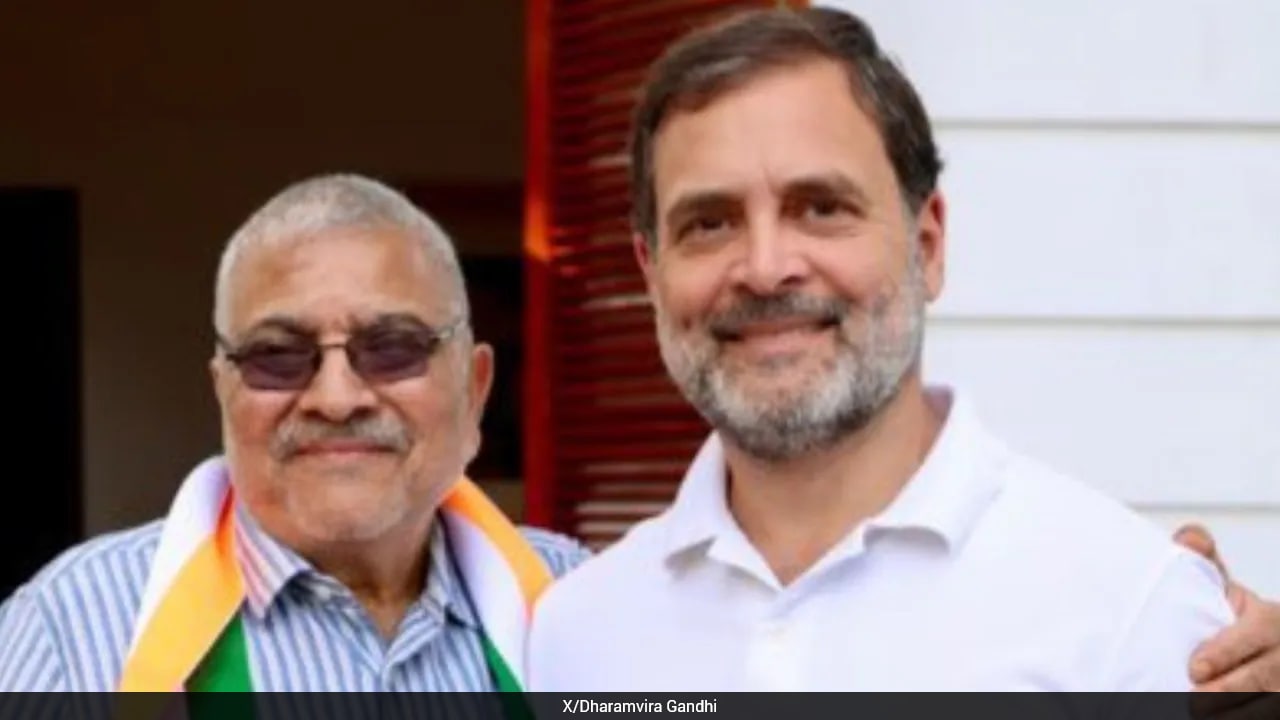
A political storm has erupted in Punjab as the Congress party challenges the Aam Aadmi Party's outreach to the Hindu community, questioning the use of state resources for religious engagement.
- Political friction intensifies between AAP and Congress in Punjab.
- Congress asserts that religion is a private matter of faith.
- Debate erupts over the potential use of state funds for religious outreach.
The political landscape in Punjab has witnessed a sharp escalation in tension between the Aam Aadmi Party (AAP) and the Indian National Congress. The core of the dispute lies in the strategic outreach efforts directed toward the Hindu community, leading to intense debates over religious neutrality in governance.
The Congress party has taken a principled stand, arguing that religion should remain a strictly personal matter of individual faith. In a strong statement, the party emphasized that the state has no business promoting or patronizing one religion over another. This stance serves as a direct critique of perceived shifts in AAP's political maneuvering to consolidate specific voter bases.
Why This Matters
BozokMedia analysis shows that in the complex socio-political fabric of Punjab, any perceived tilt toward religious identity politics can significantly alter electoral outcomes. The tension highlights the delicate balance parties must maintain between secular governance and the necessity of appealing to diverse religious demographics.
The intersection of religious outreach and state policy remains one of the most sensitive fault lines in Indian democratic discourse.
Historically, Punjab has been a melting pot of various faiths, where political stability often depends on the ability of parties to navigate the nuances of communal representation without alienating major groups. The current clash suggests a shift toward more identity-centric campaigning.
Furthermore, the controversy touches upon the fundamental constitutional principle of secularism. By questioning whether tax money or state machinery is being used to facilitate religious outreach, the Congress is framing the debate as a matter of constitutional integrity and fiscal responsibility.
Frequently Asked Questions
Question 1: What is the central argument of the Congress party?
Answer: Congress argues that the state must remain neutral and should not patronize any specific religion, as faith is a personal matter.
Question 2: Why is the Hindu outreach debate significant in Punjab?
Answer: It is significant because the demographic interplay between different religious groups is a decisive factor in Punjab's political stability and election results.