In a major breakthrough, Union Home Minister Amit Shah has announced the formation of a special committee to find a permanent political solution for the Gorkha community in the Darjeeling hills. The move follows a high-stakes meeting in Siliguri involving West Bengal leadership.
- The Centre has constituted a high-level committee to find a 'permanent political solution' for the Gorkha identity issue.
- The panel will be headed by former Deputy NSA Pankaj Kumar Singh.
- Home Minister Amit Shah presented a blueprint for granting ST status to 11 Gorkha communities.
- The meeting included West Bengal CM Suvendu Adhikari and various hill stakeholders.
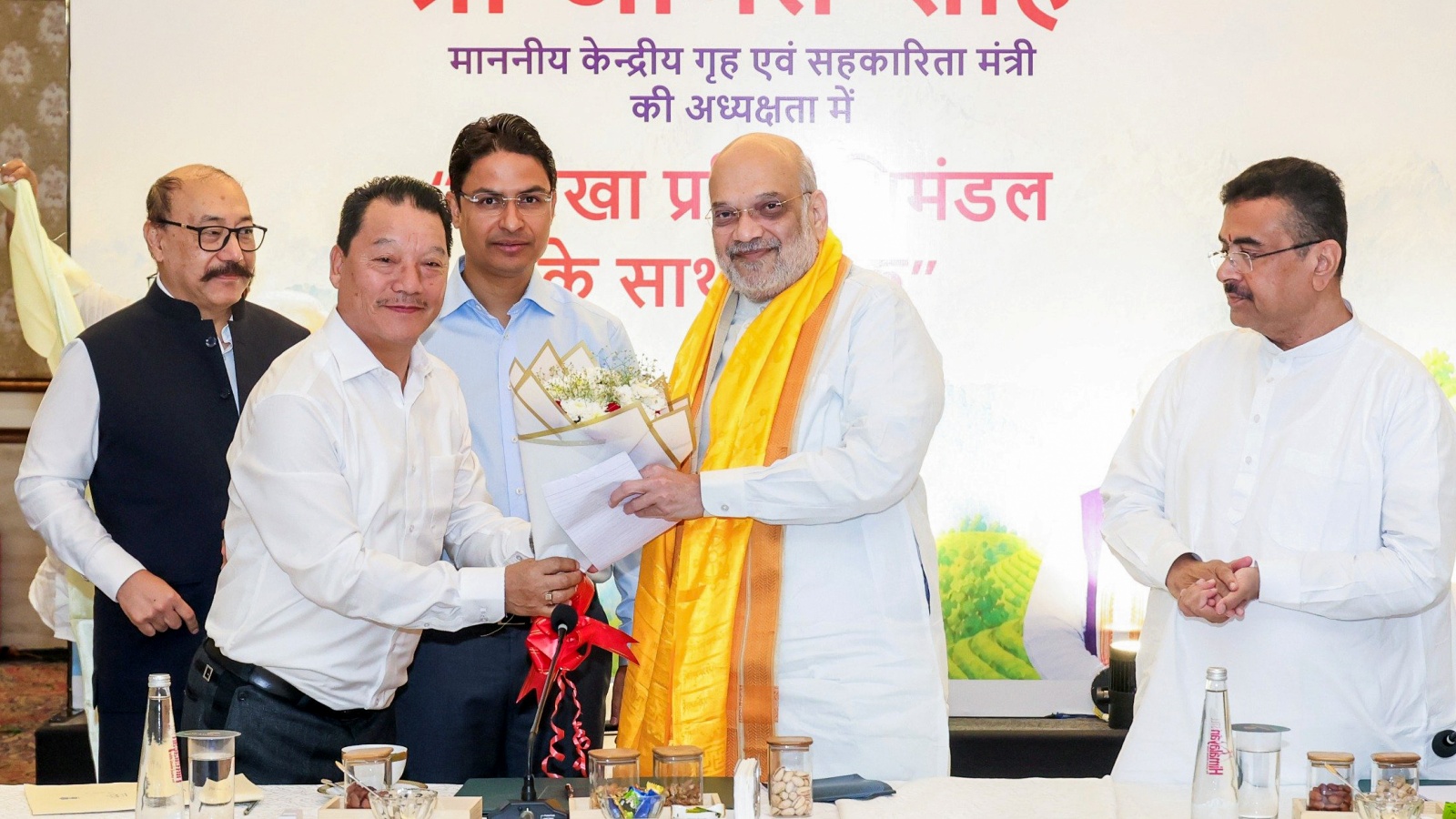
Siliguri: In a decisive move to address the long-standing socio-political aspirations of the Gorkha community, the Central Government on Saturday announced the formation of a specialized committee. Following a pivotal meeting between Union Home Minister Amit Shah, West Bengal leadership, and Gorkha representatives in Siliguri, the committee has been tasked with drafting a report to provide a 'permanent political solution' within the constitutional framework of India.
The meeting, attended by West Bengal Chief Minister Suvendu Adhikari and various stakeholders from the hill regions, focused on the distinct identity of the Gorkha people. According to the Ministry of Home Affairs (MHA), the discussions covered demands regarding constitutional recognition and a permanent political settlement. Amit Shah reiterated the government's commitment to addressing these legitimate aspirations under the leadership of PM Modi.
Why This Matters
BozokMedia analysis shows that this development marks a shift from reactive governance to proactive structural resolution. For decades, the Darjeeling hills have been a flashpoint for identity politics. By appointing a former Deputy NSA to lead the panel, the Centre is signaling that it views the Gorkha issue not just as a regional political demand, but as a matter of national administrative importance and stability.
Amit Shah assured the community that the government will sympathetically look into all demands and ensure adequate funding from the Centre to resolve pending issues.
A significant highlight of the meeting was Shah's presentation of a blueprint to address the demand for Scheduled Tribe (ST) status for 11 Gorkha communities. This move is seen as a vital step toward integrating the community more deeply into the constitutional fabric of the nation. The panel, led by Pankaj Kumar Singh, is expected to conduct thorough consultations before submitting its final findings to the Centre.
Historical Background
The demand for a distinct identity and political autonomy in the Darjeeling, Dooars, and Terai regions has been a recurring theme in West Bengal politics. Over the years, various movements have sought either a separate state or enhanced administrative rights. The complexity of ethnic identity and the socio-economic landscape of the hills have made a 'one-size-fits-all' solution elusive, necessitating the current specialized approach.
Frequently Asked Questions
Question 1: What is the primary objective of the new panel?
Answer: The panel's objective is to prepare a comprehensive report on resolving the Gorkha identity and political issues within the Indian Constitution.
Question 2: Who is leading the committee?
Answer: The committee is being led by former Deputy NSA Pankaj Kumar Singh.