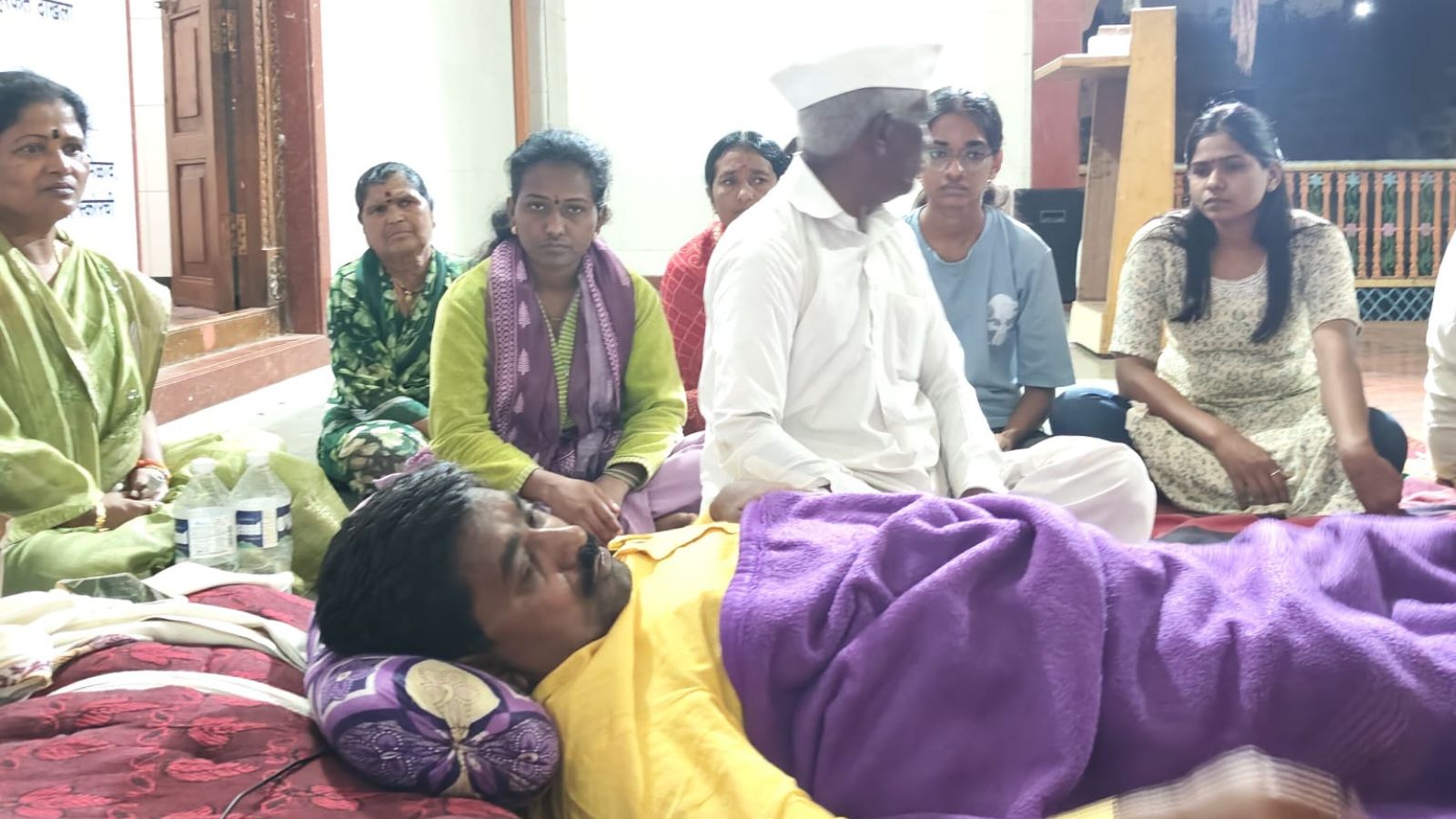
A 49-year-old farmer in Pune's Kangaon village continues his hunger strike, demanding unconditional loan waivers and strict action against polluting cement factories.
- 8-day hunger strike ongoing in Kangaon village, Pune district.
- Demands include unconditional total loan waiver and ₹2 lakh assistance.
- Allegations of illegal operation and massive pollution by two cement companies.
- Call to remove CIBIL score requirements for agricultural loans.
In a significant escalation of rural discontent, a 49-year-old farmer in Kangaon village, located in the Daund taluka of Pune district, has entered his eighth consecutive day of a hunger strike. The protest highlights a growing rift between the agricultural community and the state government over economic relief and environmental degradation.
Demands for Economic Relief
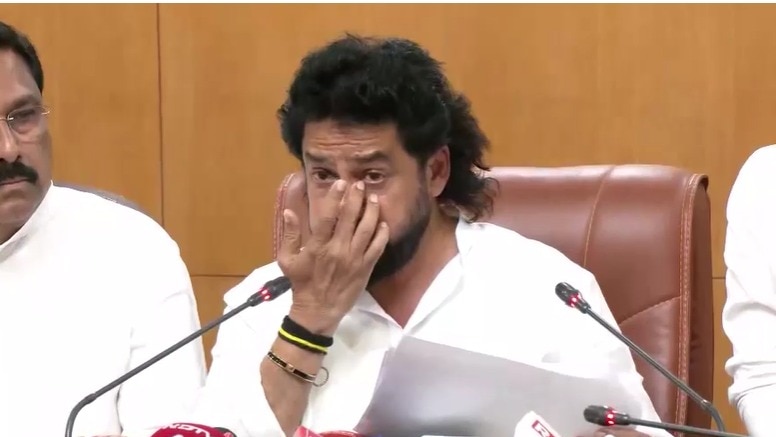
Bhanudas Shinde, a spokesperson for the Rayat Kranti Sanghatna, has articulated a list of ten stringent demands. A central pillar of their protest is the demand for a total, unconditional loan waiver. Shinde pointed out the tragic irony that despite recent government announcements, farmer suicides continue because the waivers are laden with complex conditions. The organization is demanding an additional assistance grant of ₹2 lakh for farmers with active pending dues.
Furthermore, citing the severe economic slowdown, the organization has urged the government to suspend all mandatory loan recoveries for one year and to abolish the requirement of CIBIL scores in all agricultural lending procedures.
Environmental Crisis in Kangaon
The protest is not solely about finances; it is also a battle for the environment. Villagers in Kangaon are reportedly suffering from massive pollution caused by two local cement companies. Shinde alleged that these companies are operating without a No Objection Certificate (NOC) from the Kangaon Gram Panchayat. The heavy, overloaded transportation required by these firms is reportedly destroying local roads and increasing the frequency of accidents.
"The intersection of environmental negligence and economic hardship is creating a perfect storm for rural distress in Maharashtra."
Broader Social and Policy Reforms
The Rayat Kranti Sanghatna's agenda extends to several critical social sectors. They have proposed that the government should waive hospital bills for patients who pass away during treatment and conduct audits for those who recover. Additionally, they are seeking the return of unutilized land acquired for the Ujani Dam project to its original owners and the removal of agricultural produce from the purview of the Essential Commodities Act.
Why This Matters
BozokMedia analysis shows that this protest serves as a bellwether for agrarian unrest in Maharashtra. As industrial expansion clashes with traditional farming landscapes, the government's ability to balance environmental regulations with economic growth will be tested.
Frequently Asked Questions
1. What is the main reason behind the hunger strike?
The hunger strike is driven by demands for unconditional loan waivers and action against polluting cement industries.
2. Who is leading the protest?
The protest is led by a local farmer supported by the Rayat Kranti Sanghatna, with spokesperson Bhanudas Shinde representing their demands.