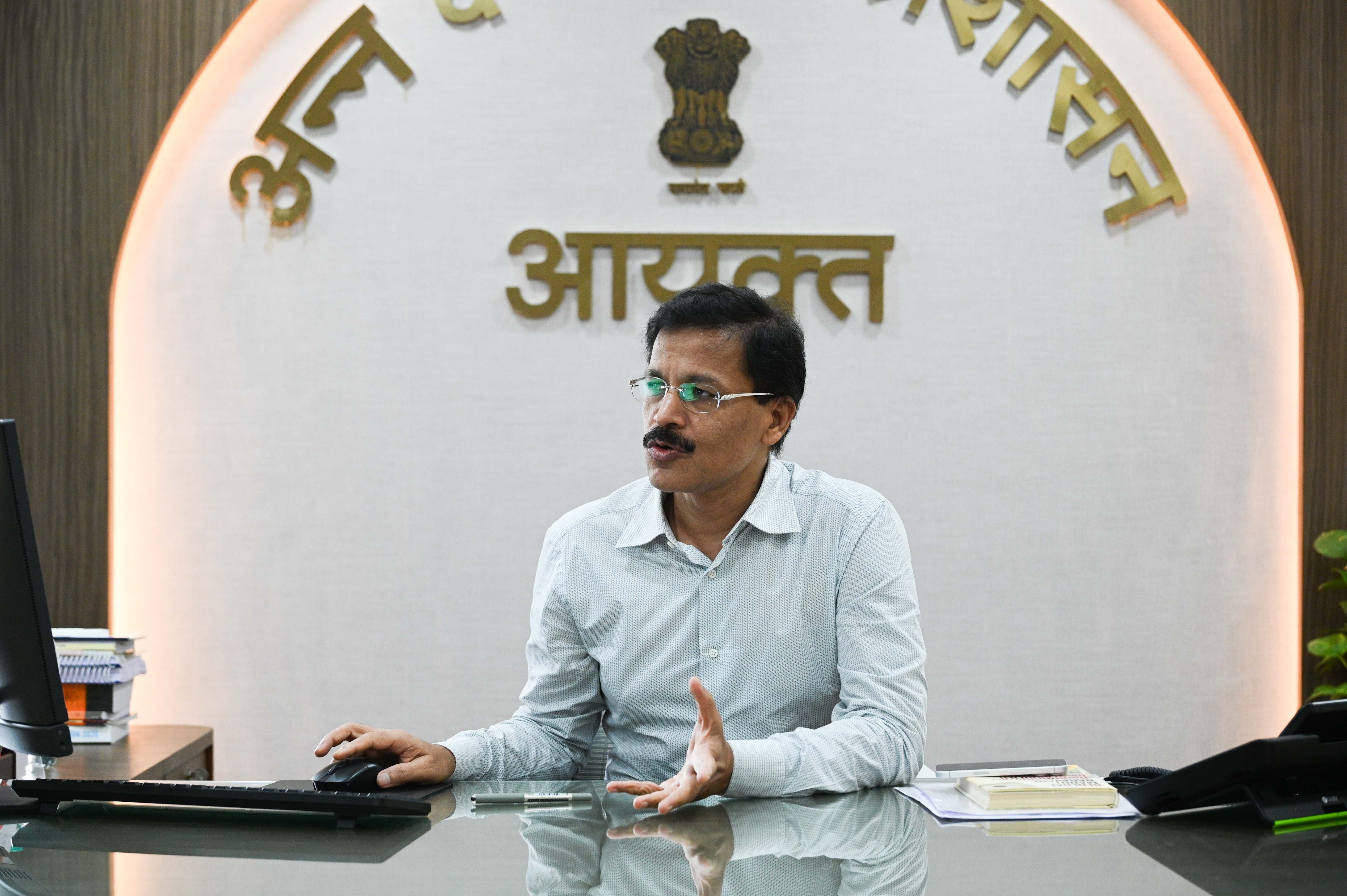
Following a stinging defeat in the Bankipore byelection, RJD leader Tejashwi Yadav has shifted from digital outreach to aggressive grassroots mobilization and direct public engagement.
- Tejashwi Yadav has ramped up grassroots activities following RJD's setback in the Bankipore byelection.
- The RJD organized a massive 'Lok Bhavan March' for the first time in 11 years.
- Yadav is moving beyond social media to engage directly with aggrieved families and protesting students.
- RJD has dissolved all organizational committees from block to district levels for restructuring.
The political landscape of Bihar is witnessing a significant shift in momentum. Following the recent debacle in the Bankipore Assembly byelection, Rashtriya Janata Dal (RJD) leader and Leader of Opposition Tejashwi Yadav has emerged from political hibernation to lead a more aggressive grassroots campaign. This strategic pivot comes at a time when critics were questioning his engagement beyond social media and press conferences.
On August 19, 2026, the RJD demonstrated its renewed vigor by organizing the 'Lok Bhavan March,' a mass protest not seen in the party for over a decade. Leading the march, Mr. Yadav faced water cannons head-on, protesting against issues such as alleged paper leaks and the heavy-handed police response during student demonstrations. This marks a departure from the relatively quiet protest era the party experienced since 2015.
Why This Matters
BozokMedia analysis shows that this surge in activity is a direct response to the changing electoral dynamics in Bihar. The emergence of the Jan Suraaj Party has successfully dented RJD's traditional vote base. To counter this, Tejashwi Yadav is attempting to transition from being perceived merely as the 'heir to Lalu Prasad' to a leader capable of leading direct, physical struggles on the streets.
Political analysts suggest that in an era of aggressive politics, physical presence is crucial to maintaining voter memory, especially among the politically conscious Gen Z demographic.
Mr. Yadav's recent itinerary reflects a deep dive into local grievances. From visiting flood-affected areas in his own constituency, Raghopur, to meeting families of those killed in police custody in Madhubani and attending to injured students in hospitals, the former Deputy Chief Minister is prioritizing human connection over bureaucratic messaging.
Historical Background
The RJD's history of mass mobilization has seen peaks during the era of Lalu Prasad Yadav, notably the 2015 Raj Bhavan march regarding the caste census. Since then, the party's protest culture had become somewhat institutionalized through press notes. The current wave of street protests signifies a tactical shift to reclaim the political narrative from the ruling BJP-JD(U) alliance.
Frequently Asked Questions (FAQs)
1. What triggered the recent mass protests by the RJD?
The protests were primarily driven by grievances regarding paper leaks and the alleged misuse of force against student protesters.
2. How has the Jan Suraaj Party impacted RJD's strategy?
The rise of Jan Suraaj has forced RJD to move beyond traditional caste-based politics and engage in more direct, issue-based grassroots mobilization.