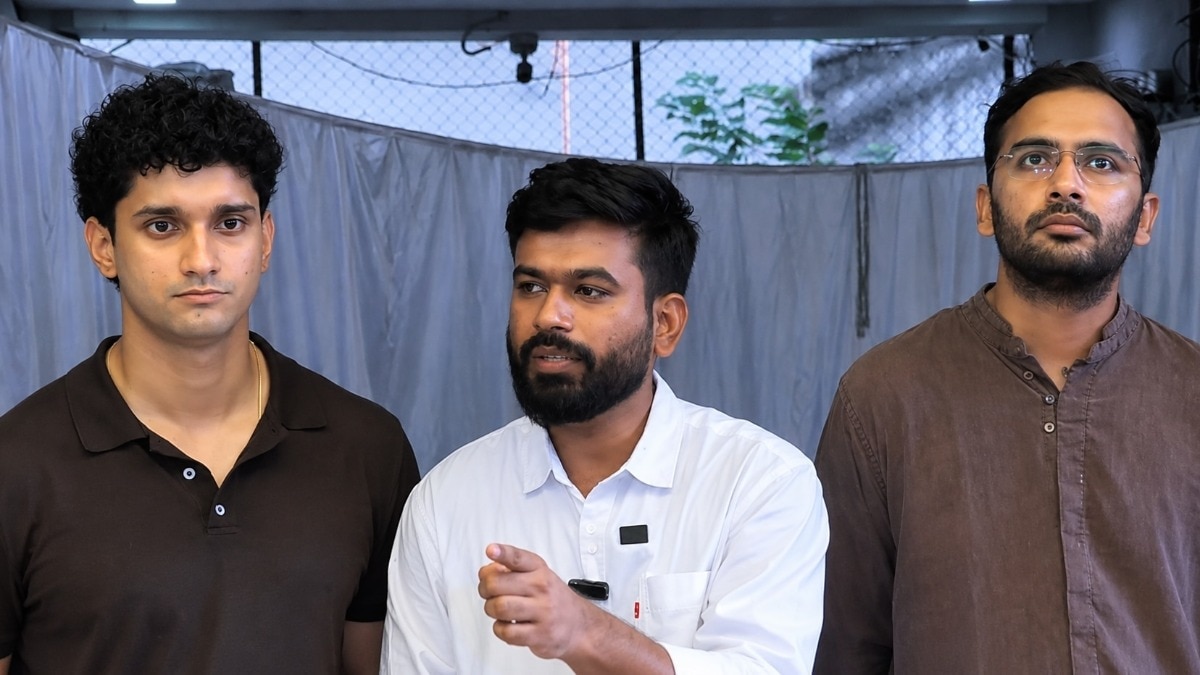
The ongoing strike by junior doctors, senior residents, and interns in Andhra Pradesh has entered its seventh day, halting essential emergency services. Major medical bodies have thrown their weight behind the doctors' demands.
- Junior doctors and interns have boycotted emergency services for seven consecutive days.
- The Indian Medical Association (IMA) and PAV have formally supported the doctors' grievances.
- The strike is significantly impacting patient care in high-load government teaching hospitals.
The healthcare landscape in Andhra Pradesh faces a critical turning point as the strike by junior doctors, senior residents, and interns enters its seventh day. As of Sunday, August 23, 2026, medical professionals across various government teaching hospitals have continued to withhold emergency services, awaiting a formal response from the state government.
The protest has not only disrupted hospital operations but has also significantly impacted the academic schedules of the participating doctors. From massive rallies to relay hunger strikes, the medical community is demonstrating an unprecedented level of solidarity to ensure their voices are heard by the administration.
Why This Matters
BozokMedia analysis shows that this stalemate creates a dangerous vacuum in the public health infrastructure. While the doctors fight for their rights, the primary victims are the thousands of underprivileged patients who rely exclusively on government-run medical institutions for life-saving emergency care.
The prolonged absence of junior doctors from emergency wards poses a systemic risk to the state's ability to manage critical medical emergencies.
Leading medical organizations, including the Indian Medical Association (IMA), the A.P. Government Doctors’ Association, and Praja Arogya Vedika (PAV), have come forward to support the striking doctors. PAV leaders, including M.V. Ramanaiah and T. Kameswara Rao, visited Siddhartha Medical College to express solidarity, labeling the doctors' demands as 'genuine' and deserving of immediate government attention.
Historical Background
This strike follows a pattern of growing unrest within the Andhra Pradesh health sector. Previously, contract workers and paramedical staff have also staged protests. The current movement, centered on stipend revisions and better working conditions, highlights the widening gap between medical professionals' needs and government policy.
Frequently Asked Questions
Question 1: What are the primary demands of the doctors?
Answer: The doctors are primarily seeking a revision of their stipends and improved working conditions.
Question 2: How is the strike affecting the general public?
Answer: The suspension of emergency services means that patients requiring urgent medical intervention face life-threatening delays in government hospitals.